Commercial-Use Mugs: Large Formats, Dishwasher Duty and Heavy Rotation Specs
A Commercial Mug Is Not a Home Mug in a Bigger Size
Take a 650 ml mug used in a busy coffee shop and it will be picked up, washed, stacked and dropped more in one week than a home mug in a year. The specs that make a mug comfortable at home are not the specs that keep it alive in commercial rotation. Buyers who order commercial mugs with residential assumptions usually discover it in the breakage line, not in the catalogue. This guide covers the specifications that actually matter for commercial use — large formats, dishwasher duty, stacking and handle strength — and how to test them before you commit a volume order.
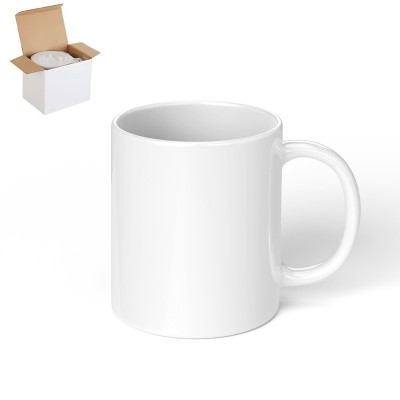
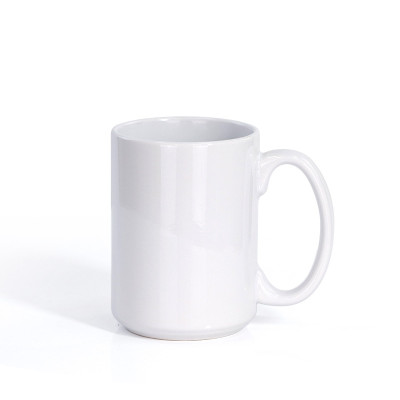
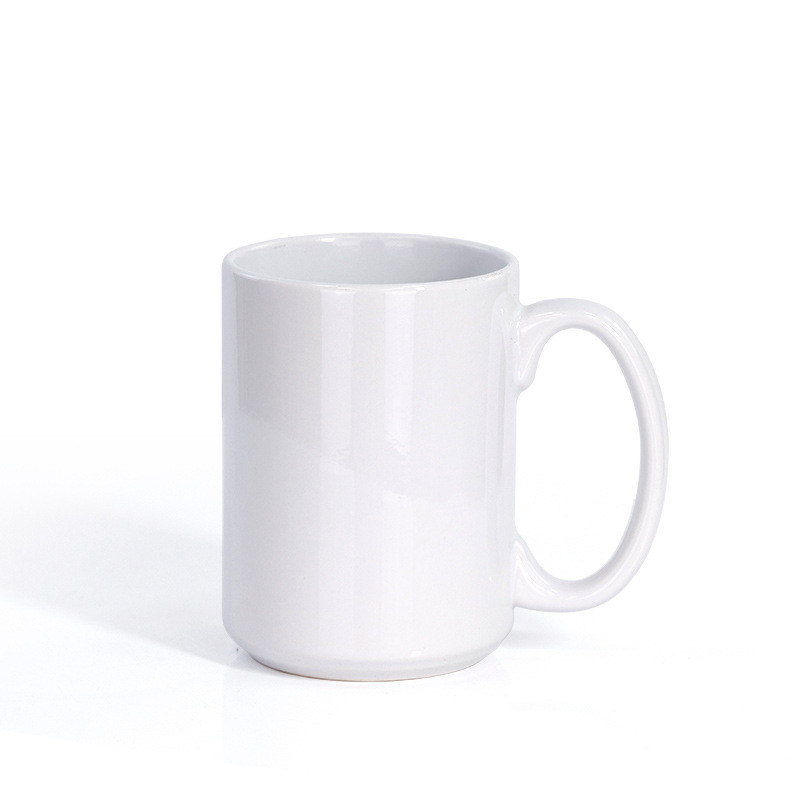
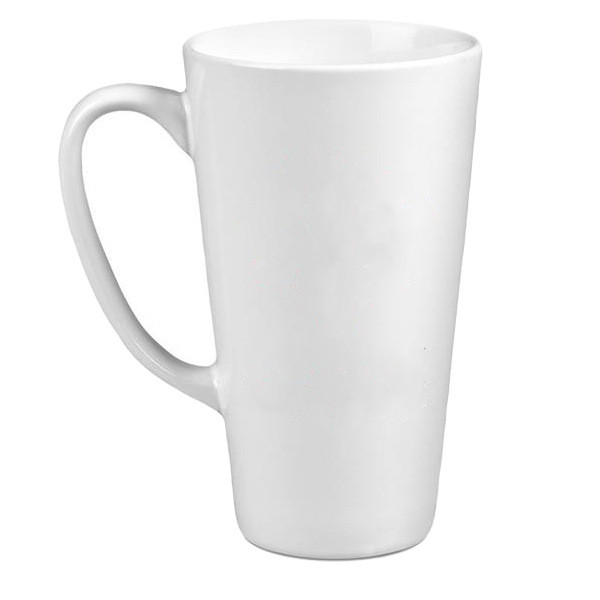
Products in this guide: 15oz Sublimation Blank Ceramic Mug · Blank Sublimation Latte Mug
Where This Fits in the Sourcing Chain
Commercial mugs sit on the chain and brand side of the buyer map, alongside the rollout and consistency guides. See the full ceramic sourcing process map. Where the rollout guide covers how a chain buys, this guide covers what to specify on the mug itself for heavy daily use.
The Formats That Define "Large" in Commercial Service
Commercial mug ranges follow serving sizes, not decoration sizes. The common tiers are a small espresso cup around 80–100 ml, a standard coffee cup in the 200–350 ml range, a large cup around 450–500 ml, and the big formats around 550–650 ml used for soup, latte bowls and breakfast service. When a buyer says "large mugs," the first question is which serving the mug must hold, because that decides the blank, not the other way around.
- Capacity is the first spec. State the volume in millilitres or fluid ounces — and the fill point, because a mug's nominal capacity and its comfortable fill level are different numbers.
- Format drives the handle. Bigger mugs need a handle geometry that suits two-finger grip and even weight distribution, especially when full.
- Stackability is a design decision. Cafes stack mugs between uses; a stackable profile saves shelf and dishwasher space, while a non-stackable shape sells on looks. Decide which your operation needs before ordering.
Dishwasher Duty: The Spec Most Buyers Skip
Commercial dishwashers run hotter cycles with stronger detergents than home machines, and they run all day. Decoration and glaze are what suffer. When specifying for dishwasher duty:
- Ask where the decoration sits. Decoration on the outside of the cup takes more abuse than a print inside the base or under the glaze. Under-glaze decoration survives better than over-glaze in commercial washing.
- Ask for the dishwasher claim in writing. A "dishwasher safe" claim should come with the test basis — how many cycles, at what temperature — so you can compare suppliers on the same standard.
- Verify with your own test. Buy a small pilot quantity and run the actual cycles your kitchen uses before committing to a volume order. A pilot of a few dozen pieces is cheap; a container of mugs that cloud in three months is not.
Stacking, Storage and Handle Strength
Commercial kitchens stack mugs on shelves and in dish racks, and staff carry several at a time by the handles.
- Stacking tolerance. Mugs from the same production batch should nest or stack with a consistent fit. Wide stacking tolerance means wobbly stacks — and more breakage.
- Handle loading. A mug is carried by its handle when full, several at a time, thousands of times a year. The handle-to-body joint is the stress point. Ask the factory about handle design and test the full mug, not an empty one.
- Foot and rim wear. The foot ring and rim take the hardest contact in stacking and washing. A mug that chips at the foot on day one of a busy week is a reorder you did not plan.
Common Mistakes When Buying Commercial Mugs
- Ordering by capacity alone and ignoring fill level, so the "650 ml" mug only comfortably holds 500.
- Accepting "dishwasher safe" without the cycle and temperature basis, then comparing suppliers on words.
- Choosing a decorative glaze or shape that looks great in the catalogue and fails in the dish rack.
- Skipping the pilot and buying a container on a sample that was never washed, stacked or carried full.
How Storiware Supports Commercial Mug Specs
Storiware supplies commercial ceramic mugs across the common service sizes, including large formats for coffee, soup and breakfast service. The factory can confirm the fill level for each blank, advise on handle and stackability options, and provide the test basis behind dishwasher and food-contact claims so you can compare like for like. Order a pilot quantity first and run your own dishwasher and stacking test — the factory will produce the volume against the spec you proved, not the one you assumed.
Buyer Checklist for Commercial Mug Specs
- Serving size and fill level defined in millilitres or ounces
- Handle geometry confirmed for the large format
- Stackable or non-stackable profile decided for your operation
- Dishwasher claim with cycle and temperature basis in writing
- Pilot quantity ordered and tested in your own kitchen
- Stacking tolerance checked across a production batch
- Foot, rim and handle stress points reviewed with the factory
Specify the mug for the rotation it will live in, and the breakage line stays quiet.
Related Products
Explore products featured in this guide:
Have questions? See our Sizes & Finishes FAQ and Ordering & Certifications FAQ.
Need a custom quote? Send an inquiry or browse our full product catalog.