Ceramic Mug Sizes & Capacities: The Global Standard Guide
Ceramic Mug Sizes & Capacities: The Global Standard Guide
The size of a mug is the first specification in any order, and the one where buyers make the most expensive mistakes. A mug that is the wrong size for its market or its menu under-serves or over-serves every drink, prints a logo in the wrong proportions, and fails the dishwasher rack or the shipping carton. Yet the size question is often treated as a casual choice, 11oz or 15oz, without understanding what the numbers mean, how they relate to the global standard sizes, and how the capacity interacts with the wall, the weight, and the print. This guide explains ceramic mug sizes and capacities the way a buyer needs to understand them: the oz and ml standards, the classic size spectrum, the capacity trade-offs, the printing area by size, and how to choose the right sizes for your market and your menu.
Oz vs Ml: Reading the Numbers Right
Mug sizes are stated in two systems, fluid ounces, used in North America and parts of the UK, and milliliters, used in most of the rest of the world, and the conversion is the first thing to get right. One fluid ounce is approximately 29.6 ml, which makes the common sizes easy to map: 8 oz is about 236 ml, 10 oz about 296 ml, 11 oz about 325 ml, 12 oz about 355 ml, 15 oz about 444 ml, and 16 oz about 473 ml. A 330 ml mug is close to 11 oz, a 350 ml mug is close to 12 oz, and a 455 ml mug is close to 15 oz.
The practical point is to state the capacity in the system your market uses, and to state it precisely. A buyer in Germany asks for a 330 ml mug, a buyer in the United States asks for an 11 oz mug, and the factory needs to know that they are asking for the same thing. When you write the specification, give the capacity in both units, and confirm the usable capacity, the amount the mug holds without spilling, rather than the brim capacity, because the two differ by the safe fill level.
The Classic Mug Size Spectrum
The mug world has a standard size spectrum, and each size has a defined role. The small end starts at 6 to 8 oz, around 180 to 236 ml, which is the traditional coffee service size for drip coffee with room for milk, and the size commonly found in hotel rooms and traditional coffee service. The 10 to 11 oz range, roughly 296 to 325 ml, is the global standard for the everyday mug, the default for offices, cafes, and promotional programs, and the size that dominates the sublimation blank market. The 12 to 15 oz range, 355 to 444 ml, covers the larger everyday mug and the travel-style sizes, with 15 oz the standard for large coffee programs and tall designs. The top of the range, 16 to 20 oz, 473 to 591 ml, covers the latte and soup sizes, where a generous portion and a thick wall matter more than classic proportions.
The spectrum is also a market language. North America gravitates toward the 11 and 15 oz sizes, Europe toward 330 and 350 ml, and specialty coffee toward the taller latte sizes. When you source for a specific market, the size language of that market should be reflected in your specification, and when you source for a global program, a size that reads naturally in both systems, such as 12 oz / 355 ml, avoids the confusion of a market-specific size.
Capacity, Wall, and the Feel of the Mug
Capacity is not independent of the wall, and the relationship explains a lot about how a mug feels. A mug's outer dimensions can stay the same while the wall thickness changes the capacity, so a thick-walled 11 oz mug is visibly chunkier than a thin-walled one of the same capacity, and a mug that feels heavy and substantial may hold less than its size suggests. The wall thickness, the body material, and the capacity together determine the thermal behavior, the weight, and the hand feel, and all three matter in the buying decision.
The trade-off is practical. A thick-walled stoneware mug in the 11 oz range retains heat beautifully and feels premium, but it holds less liquid than its exterior suggests and weighs more to ship. A thin-walled porcelain 15 oz mug holds more and ships lighter, but it cools the drink faster and feels less substantial. Choose the combination deliberately: for heat-retentive specialty coffee, a thick wall with a moderate capacity; for volume and light shipping, a thinner wall with a larger capacity; and always confirm the actual usable capacity of the sample, because the number on the catalog page is not always the number in the hand.
Printing Area by Size
The size of the mug determines the canvas for your decoration, and the printing area grows with the mug in a way that changes the design. The printable wrap of an 11 oz standard mug is the classic logo canvas, roughly the full height of the body minus the rim and base, and it is the size most logo designs are built around. A 15 oz mug has a taller and slightly wider canvas, which suits larger artwork and full-height designs. A latte mug offers a larger curved canvas that flatters photographic wraps and full-surface designs, while a small 6 to 8 oz cup has a compact canvas that suits simple logos and monograms.
The proportions matter more than the absolute area. A logo designed for an 11 oz mug will look different on a 15 oz mug of the same design family, because the height-to-width ratio of the canvas changes with the size and the taper. When you plan a multi-size program, design the artwork for each size rather than scaling one design across all sizes, and confirm the printable area for each size with the factory, because the rim, the base, and the handle zone are not printable in the same way across shapes.
Choosing Sizes for the Market and the Menu
The right sizes for an order follow the market and the menu. For a promotional or gift program in North America, the 11 oz and 15 oz sizes are the natural defaults, because they match the market's size language and its drinking habits. For a European program, 330 ml and 350 ml read naturally, and for a specialty coffee program, the latte and tall sizes match the menu. For a hotel or restaurant program, the sizes should follow the service menu exactly as they do in the coffee shop guide: a 6 to 8 oz cup for espresso-based service, an 11 oz mug for standard coffee, and a 15 oz or larger mug for large drinks and soup.
Consolidation is the sourcing principle across sizes. Ordering multiple sizes in the same body, glaze, and decoration program shares the setup costs and gives the tabletop a coherent look, and the sizes should be specified against the same design family so the branding reads consistently across the range. The container loading and the packaging should be planned per size, because a tall 15 oz mug packs differently from a compact 11 oz mug, and the shipping cost should be compared across the size mix before the order is confirmed.
Sizing for the Sample and the Batch
The size decision should be locked before sampling, because the sample is the point where the size becomes real. Order a sample in the exact size you plan to buy, and evaluate the capacity with water, the wall feel in the hand, the fit in your dishwasher rack or your sleeve, and the printing area against your artwork. The sample answers the questions the catalog cannot: whether the 15 oz mug feels too big for your program, whether the 330 ml mug holds your standard serving, and whether your logo reads well on the actual canvas.
The batch must match the sample, and the size consistency is a quality check point. Mug sizes vary slightly with the firing, and a batch that drifts in diameter or capacity creates visible inconsistency on the shelf and in the service. Ask the factory for the size tolerance, check the samples across the batch for consistency, and include the capacity check in the pre-shipment inspection. A mug program where every mug holds the same amount, in both systems, is a program that serves the menu and the market consistently.
Conclusion: Size Is the First Specification
The size of a mug is the first specification in the order, and the one that connects the product to the market, the menu, and the brand. Read the oz and ml numbers correctly, place your sizes on the classic spectrum, choose the capacity and the wall together for the feel you want, design the artwork for each size's canvas, and pick the sizes that match your market and your service. Then lock the size with a sample and verify the batch against it. A mug sized deliberately is a mug that fits the hand, the rack, the carton, and the market, and a program sized this way is a program that works, order after order.
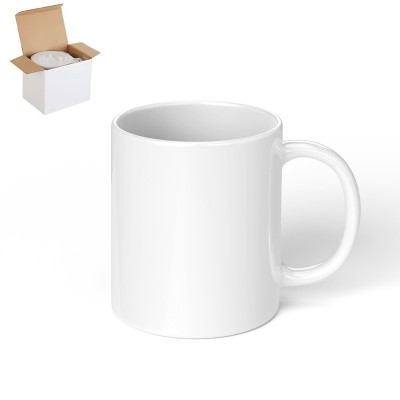
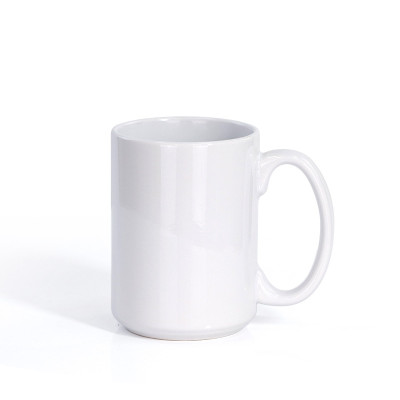
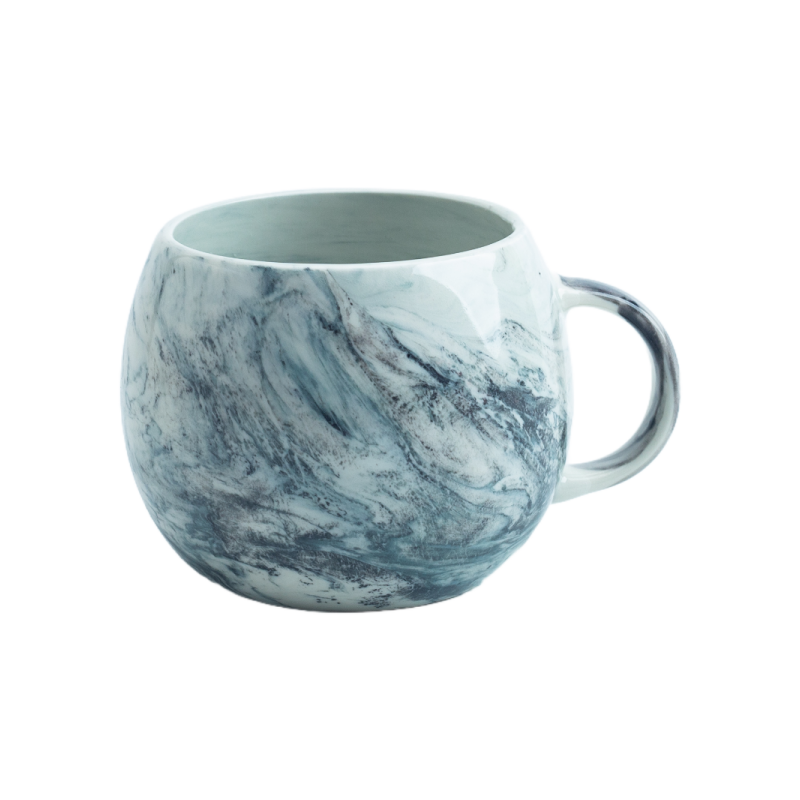
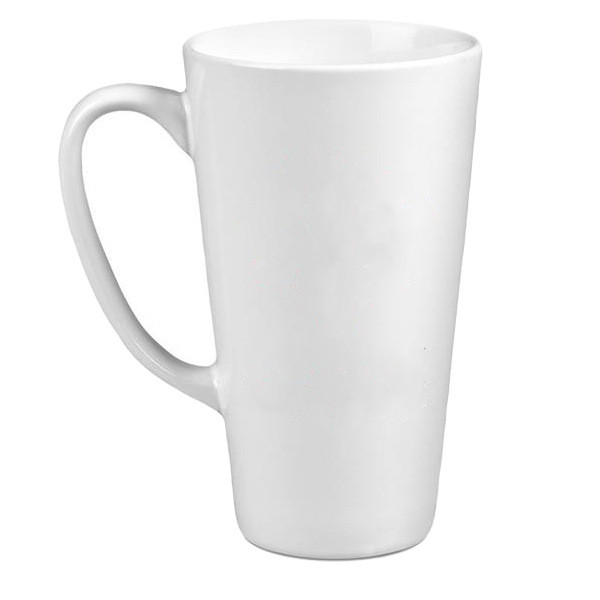
Looking for mugs in the sizes your market needs? Storiware Ceramic Mugs produces ceramic mugs from 6 oz to 20 oz, in the classic global sizes and custom capacities, with a consistent body and glaze across the range and physical samples before production. The featured mugs below show the size range, and our team will help you specify the sizes that fit your market and menu.
Capacity is a menu decision, not a range
A capacity list is only useful when it is mapped to what the cup actually serves. In practice four capacities cover most programmes: espresso 60-90 ml, cappuccino 150-180 ml, flat white 160-180 ml and latte or filter 220-350 ml, with a separate larger format for travel and office use. Buying outside that mapping is the single most common cause of dead stock in a mug programme.
Capacity plus two numbers the catalogue rarely gives
- Usable capacity versus brim capacity — a mug filled to the rim leaves no room for foam; the usable figure is what a barista works with.
- Rim diameter — it decides whether a latte pattern can be poured and how the drink presents.
- Wall thickness and weight — at identical capacity, a heavier body reads as premium and costs more to ship; the trade-off belongs in the specification.
- Stacking height — two mugs of the same capacity can differ substantially in shelf footprint when stacked.
Across markets, capacities converge
Standard sizes travel well: an 11oz (325 ml) mug and a 15oz (440 ml) mug are recognised across US and EU channels, while espresso and cappuccino cups follow Italian naming almost everywhere. That convergence is why a range built on four sizes plus one large format usually covers both a café menu and a corporate gift programme without a bespoke mould.
To compare bodies and capacities side by side, browse the ceramic mugs and cups range, and for the full set of buying decisions see the custom mug programme guides. The commercial structure — MOQ, decoration and sampling — is in the bulk order programme. To map your menu, send the drink list and the cover count.
Featured Mugs in Multiple Sizes from Storiware Ceramic Mugs
Explore products featured in this guide:
Related guide: Kids' Ceramic Tableware Safety
Need a custom quote? Send an inquiry or browse our full product catalog.