
Batch Traceability for Ceramic Orders: Knowing Which Run a Piece Came From
The Problem: When Something Surfaces Later, Which Batch Was It?
A retailer reports that a batch of bowls crazes after a few dishwasher cycles — eighteen months after delivery, across a range that has been reordered three times. The first question that decides everything else is simple: which production run are we talking about? Without an answer, the only safe response is to treat the entire inventory as suspect, which means a withdrawal rather than a targeted fix. With an answer, the problem is narrowed to one run, one decoration, one set of records — and the corrective action becomes proportionate. Traceability does not prevent quality problems. It determines whether they cost you a container or a category.
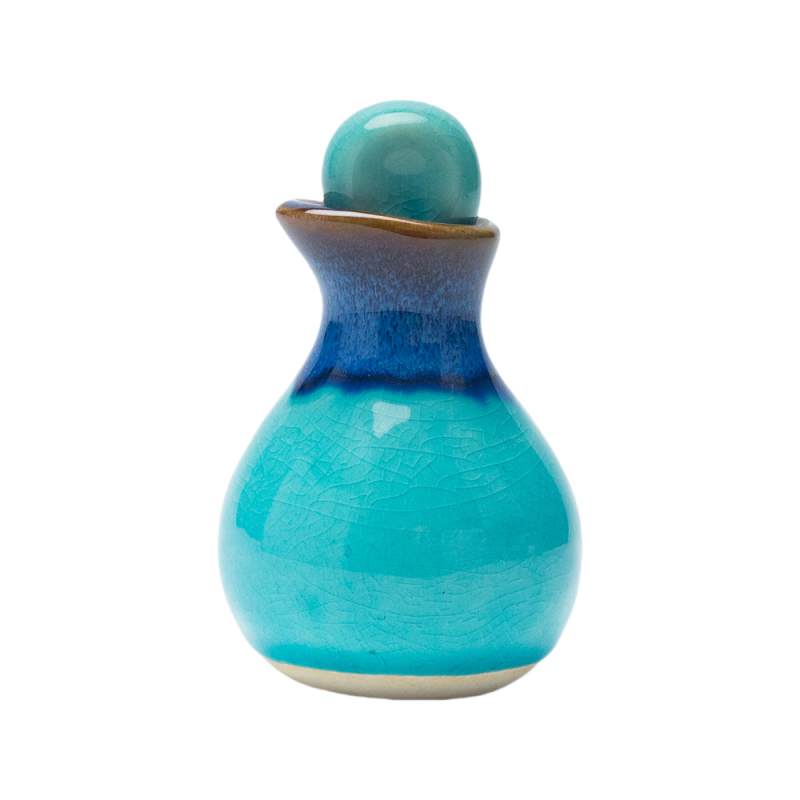
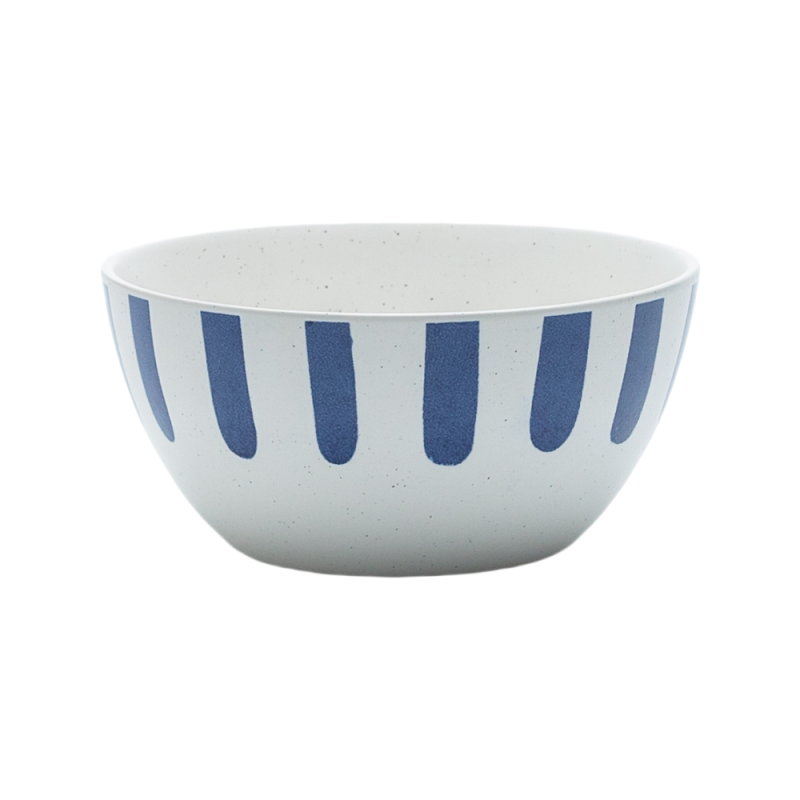
Products in this guide: Handmade Glazed Gourd-Shaped Spice Jar · Handcrafted Reactive Glaze Ceramic Pitcher
Where This Fits in the Sourcing Chain
Traceability is the connective tissue between the acceptance standard, the complaint loop and the shipment file. The AQL baseline guide explains how acceptance levels are set and written down. A batch code is what allows a complaint to be answered with a cause rather than a replacement. The complaint-to-corrective-action guide explains how quality issues close the loop. And the record that makes it work is the same documentation set collected for every shipment. The shipment file guide explains how to read inspection reports and transport documents. The full chain follows the standard sourcing map. See the full ceramic sourcing process map.
What a Traceable Order Actually Carries
Five pieces of information, none of which requires tooling.
A batch or lot code on the carton — one identifier that ties a physical box to a production record. It is printed, not invented after the fact.
The production date or period — which shift, which week, which run.
The firing record reference — the kiln and the profile, because in ceramics a great deal of variation is decided in the kiln rather than on the line.
The decoration run reference — the decal or print batch, which matters when a complaint concerns colour.
The inspection record for that run — what was sampled and what passed, which is where a claim is either supported or contradicted.
The important property is not the volume of data; it is that the code on the box and the record behind it are unique to one run, so a question can be answered by looking up one number.
Why Buyers Should Ask for It
Three uses, in order of how often they occur.
Narrowing a problem. Most quality issues are batch-specific: one firing, one decal lot, one week of packing. Traceability converts "this product is bad" into "this run departed from the standard", which is the difference between a category problem and a production event.
Recall and withdrawal readiness. Where a market requires a product to be withdrawn, the regulator's first question is the scope — how much, from when, sold where. A buyer who can answer that from records handles a withdrawal as a contained event. The complaint-to-corrective-action guide explains how quality issues close the loop.
Evidence in a claim. A complaint supported by a code and a record is a much shorter conversation than one supported by photographs alone. The shipment file guide explains how to read inspection reports and transport documents.
What It Costs
Less than buyers expect, for a structural reason: traceability is a marking convention, not a manufacturing change. It is a number printed on a carton, a column in a production record and a filing habit. The only genuine requirements are agreement in advance — on the code format and where it is printed — and consistency, because a code that is not recorded is decoration. In practice it belongs in the frozen packing specification, alongside carton marks and label content, so it is produced correctly from the first order and repeated without discussion. The packaging guide explains how retail-ready and protective layers are specified together. The carton marking guide explains how marks and labels keep containers moving.
How to Set It Up in One Order
Four decisions, taken once. Agree the format: something short and readable that encodes run and date, applied consistently across orders. Decide where it prints: on the carton, near the existing marks, so it is read rather than hunted for. Assign the record: which document holds the kiln, decoration and inspection references for that run, and who maintains it. Agree the retention period: how long the records are kept, which should at least match the commercial life of the product in the market. Write those four lines into the packing specification and the order becomes traceable permanently.
The Habit That Ties It Together
The habit is to require a batch code where you require a carton mark: on every order, in the same place, backed by a record. Programs that do this discover problems one run at a time and fix them at the source. Programs that do not discover them one warehouse at a time, and pay for the uncertainty in full.
Related Products
Explore products featured in this guide:


Have questions? See our Sizes & Finishes FAQ and Ordering & Certifications FAQ.
Need a custom quote? Send an inquiry or browse our full product catalog.