Writing the 2027 Spring Collection Plan: From Color Story to SKU Table
The Collection Is a Document Before It Is a Product
A spring collection does not appear - it is written. The collection plan is the internal document that turns the trend read into a sellable line: it names the color story, the product architecture, the SKU table, the packaging and the launch calendar, and it is the file that the design approval, the samples and the order all reference (see our design-lock guide for the September decision list that precedes it). This guide covers the five sections of the collection plan and the discipline that keeps the line coherent.
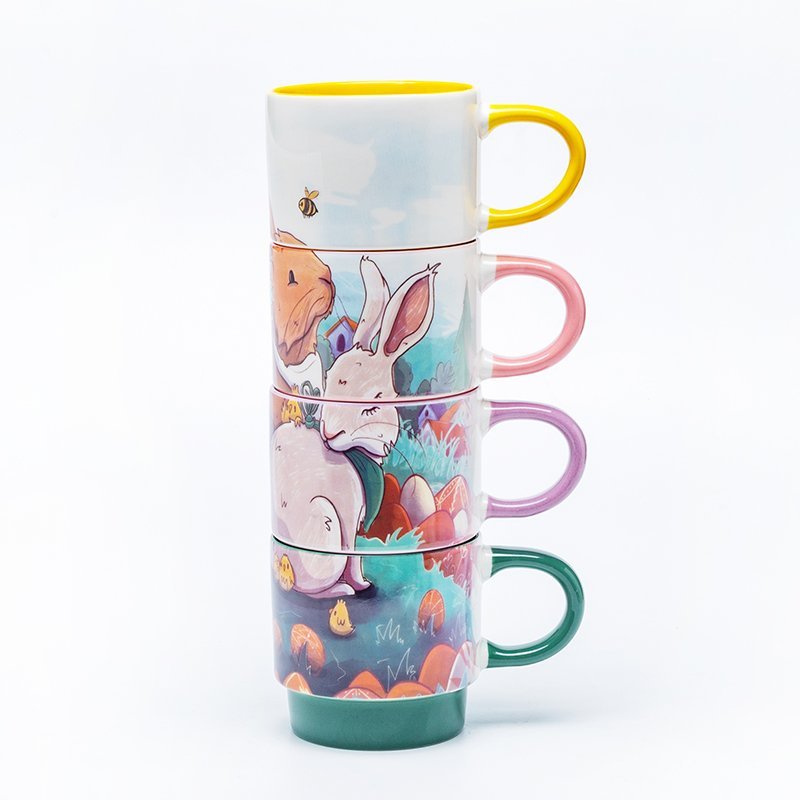
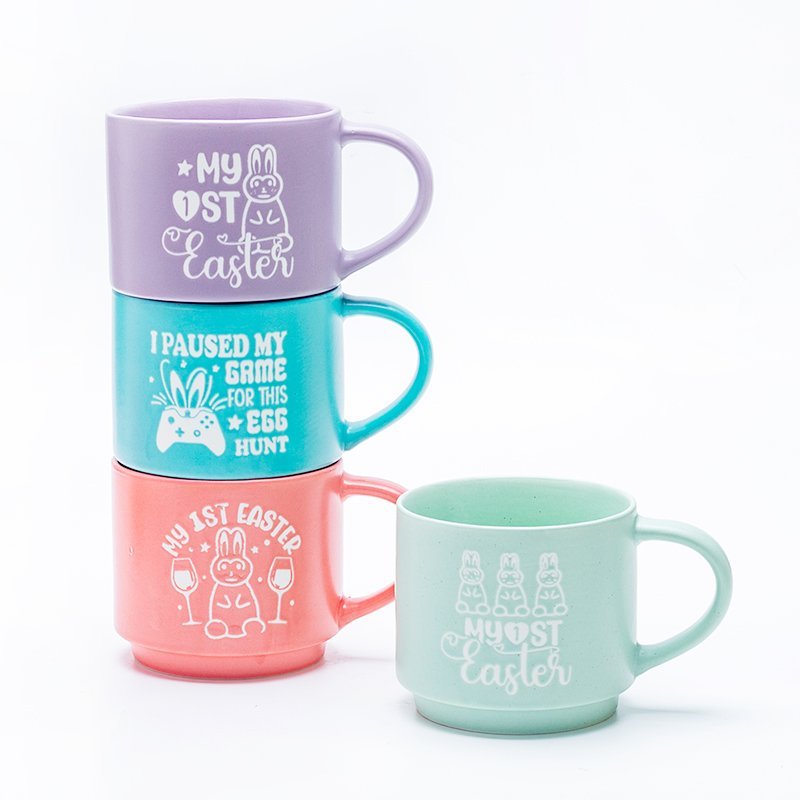
Products in this guide: Easter Stacking Cup Set · Easter Solid Color Stackable Mugs
The Color Story and the Product Architecture
The color story is the spine of the collection: two or three hero colors plus the accents, chosen against the trend read and the base program (see our color-and-glaze trend guide for the 2027 direction), and named so the line reads as one story - the spring story of the collection, not a bag of SKUs. The product architecture organizes the line into roles: the hero items that carry the volume (the mugs and bowls in the hero colors), the accents that create the shelf difference (the unique shapes and finishes), and the gift configurations that carry the margin (the sets and the packaging - see our sales-packaging and gift-channel guides). The rule: every item in the collection answers one of three questions - does it carry volume, create difference or carry margin? An item that answers none is a line that will not sell.
The SKU Table and the Packaging
The SKU table is where the collection becomes orderable: every SKU with its item name, its color, its finish, its unit cost at the target incoterm, its landed cost (see our cost-model guide for the math), its retail price and its margin. The table is built against the budget (see our budget-case guide) and the quantity math (see our inventory guide), so the collection's total landed cost matches the allocated budget before the order, not after. The packaging section names the box and the insert per SKU - the gift boxes for the margin items, the display cartons for the retail items (see our sales-packaging guide) - with the artwork approved on a sample. The rule: the SKU table is the single file the factory quotes from, the finance team approves against, and the buyers order by - a collection plan without a complete SKU table is a mood board.
The Launch Calendar
The launch calendar ties the collection to the market: the design lock in September, the samples approved by December, the production after the CNY restart (see our CNY and restart guides for the timing), and the launch aligned to the spring selling window - the Valentine and the spring gift season, the Easter and Mother's Day spikes (see our seasonal-calendar guide for the peaks). The calendar also names the trial plan: the collection launches as a trial volume in the existing channels, the sell-through is measured, and the reorder follows the data (see our first-order guide for the trial logic). The buyers who write the collection as a document - color story, architecture, SKU table, packaging, calendar - are the buyers whose spring lines look like collections and sell like programs.
"Spring-Ready Ceramic Products"
Explore products featured in this guide:
Have questions? See our Sizes & Finishes FAQ and Ordering & Certifications FAQ.
Need a custom quote? Send an inquiry or browse our full product catalog.