
Who Owns the Artwork: Trademarks, Designs and What a Factory Can Reuse
A buyer sends a logo, approves a decoration, places three orders, and then discovers a similar mug on a marketplace with the same pattern and a different brand on it. The conversation that follows is usually about trust. It should be about which of three separate rights was actually infringed, and who held it.
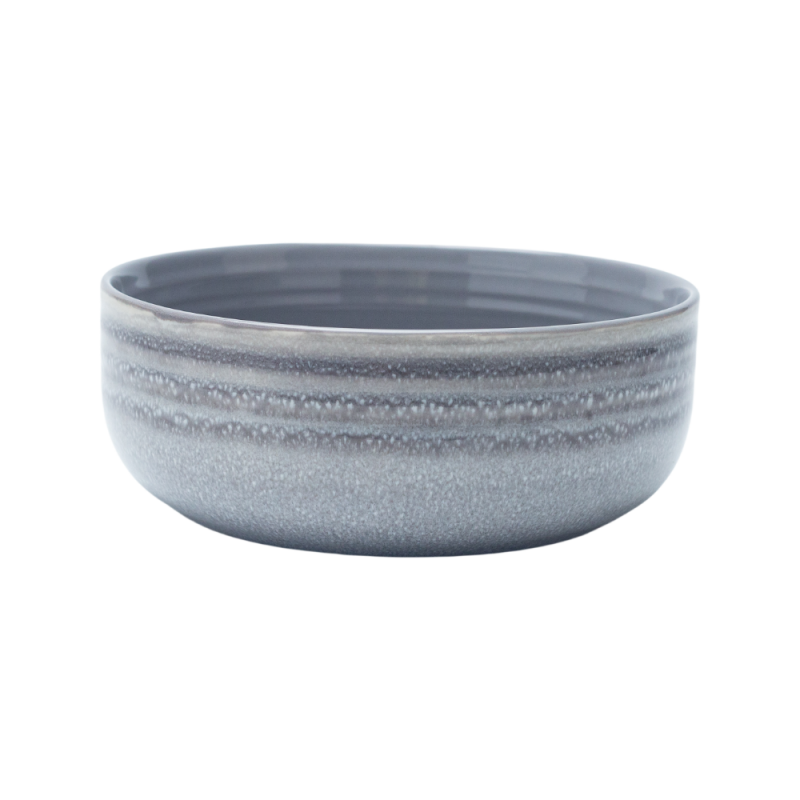
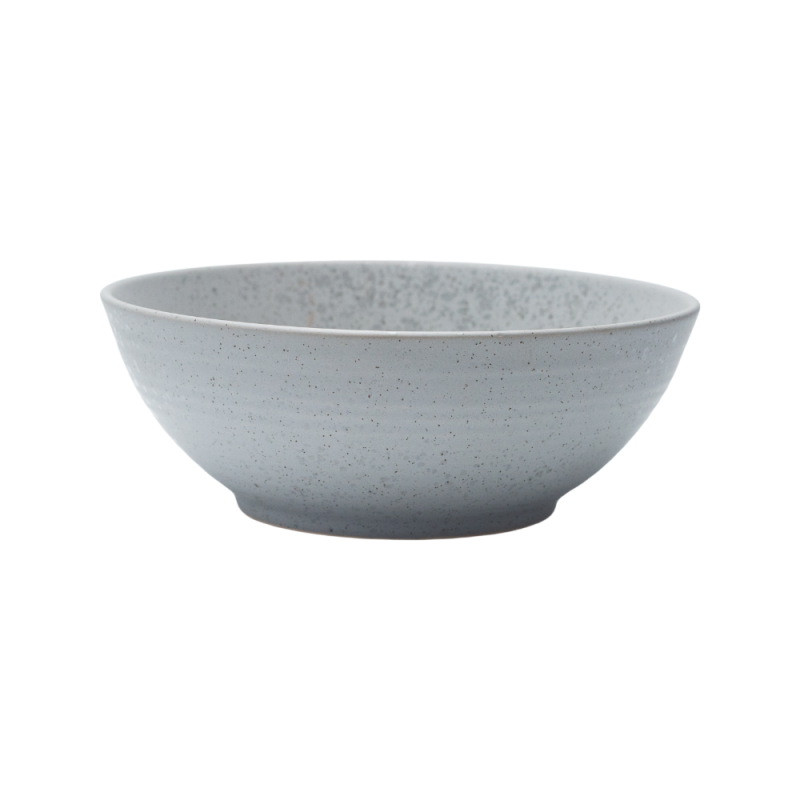
Products in this guide: Reactive Glaze Stoneware Bowl · Nordic Matte Speckled-Glaze Stoneware Bowl
Custom ceramic programmes carry three distinct rights, and they are frequently treated as one.
The three rights
The trademark. The brand name, logo, and any distinctive mark applied to the product or its packaging. This belongs to whoever registered or first used it, and it is the right most buyers already understand.
The design right. The appearance of the object itself — the shape, the proportion, the surface pattern considered as an ornamental design. This is a separate registration in most jurisdictions, and it is the right most often overlooked. A factory that develops a new shape for one customer may hold, or may not hold, the design right to that shape.
Copyright. The artwork as an original work — an illustration, a photograph, a typographic composition. Copyright generally arises automatically on creation, and it belongs to the creator unless assigned in writing.
A single mug can involve all three. A custom shape (design), a printed illustration (copyright), and a brand mark (trademark). Each may have a different owner, a different term, and a different remedy.
The master sample guide explains how sealed references keep batches identical.
Who owns what, in practice
The buyer's supplied artwork. Copyright in an image supplied by the buyer belongs to whoever created it. If the buyer's agency created it, the buyer needs an assignment or a licence broad enough to permit manufacturing. Sending a file to a factory is not the same as holding the right to reproduce it.
The factory's existing shapes. A stock mould developed before the order belongs to the factory, and it can be offered to other customers. This is legitimate and buyers should expect it. What buyers should not expect is exclusivity on a stock shape without a specific agreement.
A shape developed for the buyer. This is where ownership must be decided explicitly. If the buyer paid for the mould, the common arrangement is that the buyer owns the tool and licenses its use; if the factory absorbed the cost, the factory may reasonably claim the design. Neither default is automatic. It has to be written.
Decoration developed jointly. A pattern the factory's designer created at the buyer's direction has ambiguous ownership unless assigned. The practical fix is simple: state in the purchase documents that all artwork created for the order is assigned to the buyer on payment.
What a factory may legitimately reuse
Three things, and the distinction matters because it separates legitimate practice from copying.
A factory may reuse its own tooling and process knowledge — how it fires a particular body, how it applies a glaze, how it solves a technical problem. Process knowledge is not the buyer's property.
A factory may reuse a stock shape it developed independently, unless it has agreed otherwise.
A factory may not reuse the buyer's artwork, brand marks, or a shape developed and paid for by the buyer. Making the same decoration for a second customer is not a grey area; it is the clearest form of infringement in this category.
Where infringement risk actually sits
The risk usually sits with the buyer, and it arrives in one of two ways.
The buyer supplies artwork they do not own. A logo pulled from a competitor's website, an illustration found through an image search, a character from a licensed property. The factory has no way to verify provenance, and in most supply agreements the buyer warrants that the artwork is clear. The liability lands on the buyer.
A factory offers a design that resembles a protected one. A shape that is close to a well-known product, a pattern that echoes a registered design. The buyer is the one selling it into a market where the rights holder will act.
There is a third, less discussed risk: a design developed by the factory for one buyer and later offered to another. This is why the ownership clause matters more than the confidentiality clause. Confidentiality prevents disclosure; ownership prevents reuse.
The spec freeze guide explains how artwork and packing files are locked between orders.
What to write into the agreement
Five clauses, and none of them require a lawyer to draft from scratch.
- Ownership of the tooling, stated per mould: who paid, who owns, who may use it and for how long after the relationship ends.
- Assignment of artwork, covering both buyer-supplied files and anything the factory creates specifically for the order, transferring on payment.
- A licence back to the factory, limited to producing for the buyer. Without this the factory technically cannot manufacture, so the clause protects both sides.
- A warranty from the buyer that supplied artwork is clear of third-party rights, with the buyer bearing responsibility if that proves untrue.
- A reuse prohibition with a term, stating that the factory will not produce the same decoration or buyer-owned shape for any other party, during the relationship and for a stated period after.
The second and fifth are the ones that prevent the scenario in the opening paragraph. Everything else is housekeeping.
The honest boundary
This is not legal advice, and the correct instrument differs by jurisdiction: a registered design in one market may be unprotected in another, and a trademark that is valid for tableware may not cover a promotional item. Where the volumes justify it, a local registration is cheaper than a dispute.
What can be said generally is that the argument almost never starts with a factory acting in bad faith. It starts with a document that never said who owned the pattern, and two parties who each assumed the answer was obvious.
Related Products
Explore products featured in this guide:
Have questions? See our Sizes & Finishes FAQ and Ordering & Certifications FAQ.
Need a custom quote? Send an inquiry or browse our full product catalog.

