
When a Shipment Is Rejected: Rework, Allowance or Return
Three Answers, One Decision
Goods have been rejected — at destination, at the inspection stage, or by the end customer. There are only three things you can do with them: make them acceptable, sell them anyway, or bring them back. Each has a different cost and a different clock, and the reflex choice is often the most expensive.
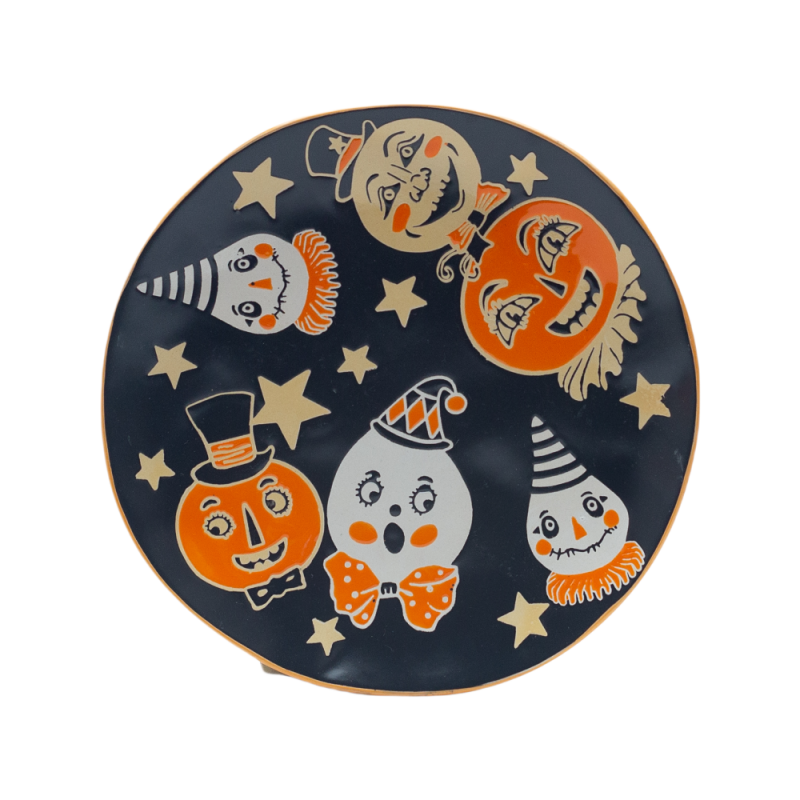
Products in this guide: Ceramic Salad Plates · Handmade Glazed Gourd-Shaped Spice Jar
The decision is easier when it is made against two questions: what proportion is affected, and what the goods were for.
Before the Options: What Kind of Problem Is It
Two situations look similar and lead in different directions:
- A specification failure — the goods do not meet the agreed standard, measured against the approved sample and the agreed inspection level. This is a defect claim, and it runs on evidence: the inspection report, photographs, counts, retained samples.
- A commercial disappointment — the goods meet the specification but do not sell, do not fit the plan, or arrived later than the season needed. This is a negotiation, not a claim, and it is worth naming honestly because it changes what the supplier can reasonably offer.
Attempting to run the second as the first costs the relationship and usually fails on the evidence.
Option 1 — Sort and Rework On Site
What it is: the shipment is sorted at destination, the affected units are separated, and the remainder is accepted. Where the defect is small and labour is available, defective units may be reworked locally.
When it fits: a partial failure, a defect that is visible and sortable, and a destination where labour costs less than the alternative. This is usually the cheapest route for both sides, because it saves the return leg and preserves most of the order.
What it needs: an agreed sorting criterion, a count of units by category, photographs, and an agreed split of the sorting cost. Without an agreed criterion, sorting becomes an argument about individual pieces.
Option 2 — Sell Through With an Allowance
What it is: the buyer keeps the goods and receives a credit for the affected proportion.
When it fits: goods that are usable but not perfect, and channels that tolerate it — promotional, giveaway, staff or second-tier retail. It is often the best commercial answer, and it converts a dispute into a discount.
What it needs: a clear statement of what is being allowed for, how the proportion was measured, and the basis of the credit. An allowance on an unmeasured proportion becomes an open-ended concession.
Option 3 — Return, Replace or Scrap
What it is: the goods come back, are replaced, or are written off and remade.
When it fits: a serious failure where the goods cannot be sold, and where the value justifies the cost.
What it costs: the return leg, re-import duties and procedures, storage, the loss of the goods' value, and above all time. For a dated programme the time is usually the decisive factor — replacement cannot arrive before the season ends, so the practical answer becomes an allowance or a write-off rather than a return.
Note on re-import: bringing rejected ceramics back into the country of origin is a customs transaction of its own, with its own documentation. It is rarely worth it for low-value units.
The Evidence That Decides It
Whichever route is chosen, four items decide the outcome. Which is why they belong in the order before anything goes wrong:
- An agreed inspection standard — the sampling level and the defect definitions, so "failed" is a number and not an opinion.
- A retained sample sealed and dated at approval, so the comparison has a physical reference.
- An inspection report with counts and photographs, produced at the point of inspection rather than reconstructed afterwards.
- A count by category at the place the goods actually are, done before anything is moved.
The Clause That Prevents the Argument
A rejected-goods clause is short and it answers four questions in advance:
- What defines a failure — the standard and the sampling level.
- Who decides — the inspector, the buyer, or a mutually appointed third party.
- What the remedies are — the three options above, in order of preference.
- Who pays for what — sorting, freight, credit, replacement, disposal.
Agreeing the four before production is what makes a rejection a process instead of a crisis.
For the surrounding decisions, see <a href="https://www.storiwareceramicmugs.com/oid1757203/The-Custom-Mug-Programme-Buyer-Guides-by-Decision.htm">the custom mug programme guides</a> and the <a href="https://www.storiwareceramicmugs.com/oid1757096/Ceramic-Quality-Inspection-Hub-AQL-Defects-Testing.htm">quality and inspection hub</a>, which set out how inspection levels, defect classification and claims are handled. Our <a href="https://www.storiwareceramicmugs.com/products2147420/Custom-Ceramic-Mugs-Cups.htm">ceramic mugs and cups</a> range is inspected against a retained standard per item, and the <a href="https://www.storiwareceramicmugs.com/oid1756307/Custom-Ceramic-Mugs-Bulk-Order-Factory-Direct-from-China.htm">bulk order programme</a> explains how inspection and claims are scheduled into production. To set a rejected-goods procedure for a programme, <a href="/contact-us.htm">send the item list, the inspection standard and the destination</a>.
The spec freeze guide explains how artwork and packing files are locked between orders.
What to Put in the Order
- The inspection standard and sampling level, so failure has a number.
- The retained sample, sealed and dated at approval.
- Defect definitions, agreed in writing before production.
- The remedy order of preference — sort, allowance, replacement.
- Who pays for sorting, freight and disposal.
- The decision timeline, because a dated programme cannot wait for a return.
The packaging guide explains how retail-ready and protective layers are specified together.
The Habit That Ties It Together
The habit is to decide the remedy before the goods exist. A rejection handled by an agreed clause is a cost; the same rejection handled by negotiation is a season.
Related Products
Explore products featured in this guide:



Have questions? See our Sizes & Finishes FAQ and Ordering & Certifications FAQ.
Need a custom quote? Send an inquiry or browse our full product catalog.