When Your Mug Design Becomes the Factory's Best Seller: IP Protection and Copy Prevention in Cross-Border Ceramic Sourcing
The Asset Nobody Insures
In a private-label mug program, the numbers everyone watches are unit price, minimum quantities and test reports. The asset that carries the most value per gram is the one on none of those sheets: the design itself. A distinctive print or a proprietary silhouette is the difference between another mug on a shelf and a product customers re-buy. It is also the part of the program that is easiest to copy and hardest to protect.
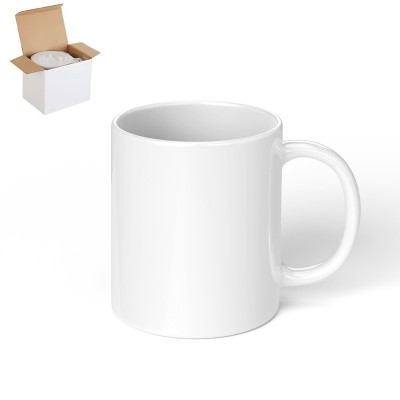
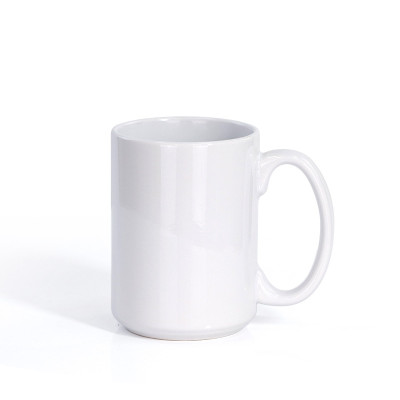
Products in this guide: New Bone China Ceramic Mug · 11oz Sublimation Blank Ceramic Mug
Ask buyers what guards their exclusive pattern and most will answer "because we designed it". Authorship, though, is not ownership. In cross-border sourcing the two are separated by a long chain: the artwork travels to a decoration department, to decal and transfer printers, into a sample room shared with a dozen other buyers' designs. On the far side sits a factory that can physically reproduce your pattern within hours and will, sooner or later, be asked for "the same look, cheaper". You own the picture; the factory owns the means to print it ten thousand times. That asymmetry is the copy risk in one sentence.
This is a buyer-side operating guide to that risk, drawn only from the publicly available official framework as it stood in September 2026. Nothing here is legal advice: protection is territorial, registration-based and fact-specific, so filing and enforcement decisions belong with you and qualified IP counsel in each jurisdiction. What a sourcing team can do itself is stop the design from leaking in the first place and build the paper trail that makes enforcement possible if it leaks anyway.
The Three Places a Design Leaves Your Control
A design is rarely stolen in one dramatic act. It leaks through routine steps, and the leaks cluster in three places.
- The sampling loop. Before a single production run exists, the artwork has been emailed, printed onto sample blanks and photographed. Samples travel to your office, a broker, a studio, a trade fair. A distinctive prototype is an object of curiosity in a factory's sample room, and curiosity is how an unreleased design gets shown to another buyer "just to see what you think". Every party that touches a sample can copy it; the sample is usually where the design first escapes.
- The factory's print assets. A ceramic pattern lives not on the mug but in the files and tools that put it there: digital artwork, decal films, screens, transfer plates, colour formulas. These sit in the supplier's plant long after your containers sail. If the agreement never says who owns them and what happens when production ends, the factory decides - and leftover decal stock alone is enough to reproduce your best seller without touching the artwork again.
- The marketplace. Once the design sells, the platform is the fastest copy machine. Images and listing text can be lifted within days, and identical mugs appear from other sellers at lower prices. A competitor does not even need your supplier: one of your own units, bought off the shelf, is a perfect master copy. Marketplace copying is usually the first symptom that the earlier leaks were never closed.
Geography worsens all three. IP is territorial: a right registered in mainland China gives you nothing in Hong Kong, Taiwan or Macao - four separate jurisdictions - and nothing automatically where you sell. You cannot enforce a right you never obtained, so the leak question and the registration question are the same question asked early or late.
What a Chinese Design Patent Actually Buys You
Because the mug is made in China and the copying starts there, the Chinese design patent is the foundation - not because it protects you everywhere, but because it protects you where the leak happens. It covers a product's shape, pattern, or their combination, and colour combined with shape or pattern, where the design is new, aesthetically pleasing and industrially applicable. Under the fourth revision of China's Patent Law, in force since 1 June 2021, the term is fifteen years from filing. That revision also opened the door to partial designs - protecting just the printed band on the mug, or the handle - instead of being forced to claim the whole mug. It prepared China's accession to the Hague Agreement on the international registration of industrial designs, which took effect there on 5 May 2022, giving a single-application route to protection across member countries, China included.
Two features decide how you must behave. First, first-to-file: the right goes to whoever files first, and the law demands absolute novelty - the design must not have been disclosed before filing. Register before you show. A design already displayed at a fair, listed on a marketplace or shown openly to suppliers has compromised novelty. Chinese law has a limited six-month novelty grace period, but it is narrow and conditional, not a licence to publish first and file later. If a design has been shown anywhere, assume it is no longer cleanly registerable and confirm its status with CNIPA or your patent agent before spending on tooling.
Second, how infringement is judged. Scope is defined by the drawings or photographs filed, and infringement turns on whether the accused product is of the same or similar kind and, seen through a general consumer's eyes, gives the same or a similar overall visual impression - what the practice calls overall observation and comprehensive judgment. Close copies count; trivial differences do not rescue one. That is why partial designs matter: a competitor putting your print on a differently shaped mug is hard to catch if you registered only the whole mug, and easy to catch if the printed surface itself is protected. Filing images deserve the same care as production artwork, because the protection is only as good as the pictures. Filing in China is an ordinary step, normally run through a Chinese patent agent; the certificate it produces is the precondition that lets every later layer of enforcement move.
Before the Artwork Leaves: Supplier IP Checks
Registration is the second step; choosing whom you deal with is the first. "We have this pattern" is a standard ceramics sales line, so the ownership question arrives before any artwork of yours exists. Screen before you share files. Ask who owns the design, and where the pattern is the factory's, require a written declaration that it is the factory's own design, that it may supply it, and that no third party holds prior rights. Search the CNIPA public databases yourself or through your agent: they record filed and granted designs, and a quick check reveals whether the concept you plan to build a season around is already registered by someone else - better learned in week one than at launch. Ask how the factory handles unused assets: are your films and files returned or destroyed, may leftover printed blanks be sold, does its sales team show new buyers "similar" pieces built on other customers' designs? The answers, in writing, are a screen. And when your own artwork is involved, sign the terms before emailing the files; clauses signed afterwards are largely theatre. None of this guarantees a clean supplier, but it pushes ownership into the open, creates records, and separates factories that treat your design as confidential from those that treat it as inventory.
The Contract Lines That Keep the Artwork Yours
The agreement is where the design is actually protected, because the factory's conduct follows what it signed, not how much you trust it. Six lines belong in any contract involving a buyer-supplied or co-developed design.
- Ownership. Every element - artwork, digital files, pattern, decal films, screens, transfer plates, colourways, and anything derived during manufacturing - belongs to the buyer; IP the factory creates on the order is assigned to the buyer, and the factory keeps no licence after delivery. This converts "we designed it" into a statement with contractual teeth.
- No copy, no resale. The factory will not reproduce the design, supply identical or near-identical versions to third parties, or sell your products under its own name or to other buyers, during and after the term. Unreleased designs get their own line: no display in catalogues, showrooms or online stores before your launch.
- Moulds are part of the chain. Legal ownership of moulds is its own subject, covered in our mould ownership guide; the design clause need only say moulds and tooling carry the same restricted-use logic as the artwork - they make your products, not the factory's reusable stock.
- Asset handling. On completion the factory returns or destroys films, screens, files and unused printed blanks, confirmed in writing. Unmanaged print stock is the cheapest route for a copy years later.
- Cooperation. The factory keeps run records, discloses any third-party request to reproduce your design, and assists in enforcement with samples, records and information. Enforcement runs on documents, and the factory holds most of them.
- Where the design is the factory's. The contract carries the mirror image: a warranty that it is the factory's own design, that no third-party rights are infringed, and that it keeps you harmless if that fails. An unsupported "our design" claim is just a sales sentence.
Sequence matters as much as wording: ownership, confidentiality and no-copy terms are signed before the first artwork file is sent.
When It Happens Anyway: Four Layers of Response
Copies will sometimes appear regardless. The four layers are cumulative, and most programs use several.
| Layer | What it does | Best used when | What to know first |
|---|---|---|---|
| Platform notice-and-takedown | Removes an infringing listing | The copy is online, especially at low volume | It removes one listing; copies migrate, so monitor continuously |
| Customs border recordal | Intercepts infringing goods at the border | Goods are made in or ship through a country where you hold rights | Record in advance; the rights holder confirms and follows up seizures |
| Administrative complaint | Authority investigates and orders the copying stopped | An exhibition or visible workshop is involved | A stop order, not damages; speed depends on the office |
| Civil litigation | Binding determination and damages | The copy is commercial and evidence is strong | Slow and evidence-heavy; notarised evidence prepared in advance carries it |
The default first move is the platform notice-and-takedown: low-cost, same-day, and the marketplaces hosting ceramic sales run content-removal procedures for rights holders. Its weakness is known - one listing removed, the same images resurface under a new account - so it belongs inside a monitoring habit of scheduled searches for your product name and pattern.
Next is customs border recordal. China's General Administration of Customs runs an IP recordal system: the rights holder, or an authorised agent in China, records trademarks, patents including design patents, and copyrights; the recordal is free and valid for a term not exceeding ten years. Chinese customs mainly intercepts infringing goods as they are exported - exactly where a copy of your mug would travel - so you record before the container moves. Without a recordal, a case-by-case application lets customs hold goods only briefly, without deciding the case. After a seizure the rights holder must confirm the goods and pursue the legal procedures; the border hold is the start of enforcement, not the end.
Third is the administrative complaint. Local intellectual-property and market-regulation authorities can investigate and order the copying stopped. Its value is speed in the scenarios litigation cannot keep up with: a copy at a trade fair, where on-site enforcement can be requested, or a visible workshop producing your pattern. Its limit mirrors that strength - it stops rather than compensates.
Fourth is civil litigation, the only layer producing damages and a binding decision. Design cases run in the specialist IP courts in cities such as Beijing, Shanghai and Guangzhou and in intermediate courts. A successful case can stop the infringement and claim compensation; for wilful infringement the law provides punitive damages, whose conditions counsel should assess on the facts. The real lesson is the evidence problem: evidence must be fixed and notarised, that preparation is time-consuming and costly, and it cannot be done well in a crisis. The case is won in the file built while the design was still yours - dated artwork, certificates, samples, correspondence, screenshots.
Protecting the Design Where You Actually Sell
China-side protection stops the copy at source, but it does not follow the mug to your market. Territoriality means a right that stops a factory in China does nothing, by itself, for a shelf in Munich or a warehouse in California. Where the product sells, the same logic runs in local form: registered design protection in the EU via EUIPO, a US design patent via USPTO, and destination customs IP recordal programmes that work like the Chinese one - registered in advance, interception at the border, confirmation by the rights holder. These are outlined here only; the detail belongs with counsel in each market. The sequencing is the point: register in China first because that is where the leak starts, and in the destination market because that is where the value is realised.
Two habits belong with it. Protect what is not the pattern: a brand name and logo are trademark territory and are enforced with a different tool. And keep a creation file - dated artwork, drafts, first samples, first listing dates - because in any dispute someone must prove when the design was made and first shown. That proof costs nothing to accumulate and is painful to reconstruct later.
The Design-Protection Checklist
A design-protection program works like a QC program: a few disciplines, applied to every order, that make the catastrophic case unlikely.
- Register before you show. File the Chinese design patent while the design is still yours; if it has been shown anywhere, confirm novelty status with CNIPA first.
- Sign before you send. Ownership, confidentiality and no-copy terms are in place before the first artwork file leaves your desk.
- Decide who owns every part - artwork, decals, screens, digital files, colourways - and put it in writing.
- Screen the supplier. Search the public CNIPA databases, and require a written own-design declaration and no-infringement commitment where the factory supplies the design.
- Record key designs with Chinese customs - the recordal is free, valid for up to ten years - and keep an authorised agent in China able to act on a seizure.
- Watch the three leaks: log every sample, control the factory's print assets, run scheduled marketplace searches.
- Build the evidence file in peacetime: dated designs, samples, correspondence, first-listing dates.
- Protect where you sell: review EU registered design (EUIPO), a US design patent (USPTO) and destination customs recordal options with counsel.
Nothing here makes copying impossible, and no article should pretend otherwise. What a registration, a signed contract and a maintained file do is change the conversation: instead of asking a platform or a customs officer to trust "we designed it", you present a certificate, a clause and a record, and act from a position the system is built to recognise. The design is the asset in your program that carries the most value per gram; protect it with the discipline you apply to the rest of your technical file. This article reflects the publicly available official framework as of September 2026 and is not legal advice; filings and enforcement should be confirmed with qualified IP counsel in each relevant jurisdiction.
"Own-Brand Mug Program Lines"
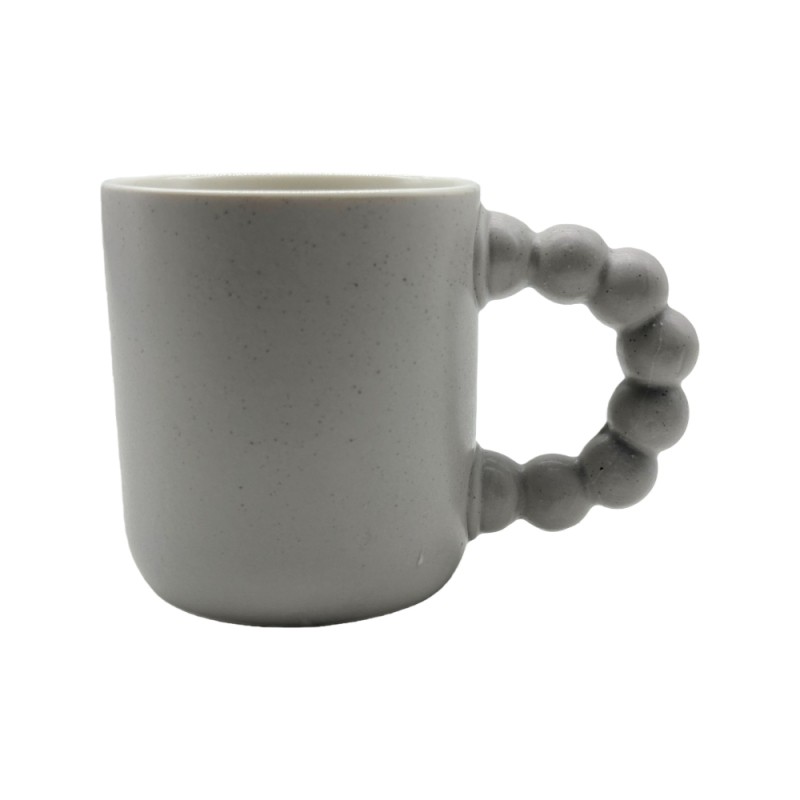
Explore products featured in this guide:
Have questions? See our Sizes & Finishes FAQ and Ordering & Certifications FAQ.
Need a custom quote? Send an inquiry or browse our full product catalog.