What a Ceramic Factory Can and Cannot Do: The Capability Questions Buyers Should Ask Before Committing
The Factory Is a System with Hard Limits
Every ceramic factory is a system of kilns, glaze lines, mold racks and skilled hands — and every part of that system has a hard limit. Orders that fit the system ship smoothly; orders that exceed it fail in predictable ways: a diameter that will not fit the kiln shelf, a glaze color that cannot be reproduced batch to batch, a decoration technique the factory has never run. The buyers who get burned are rarely the ones with bad designs — they are the ones who never asked what the system can do before committing.
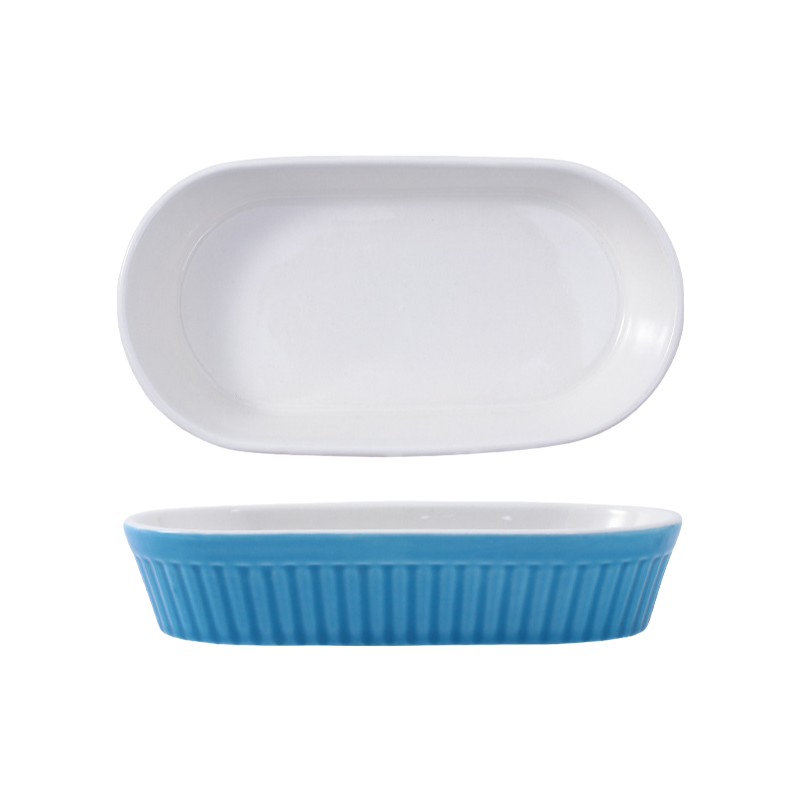
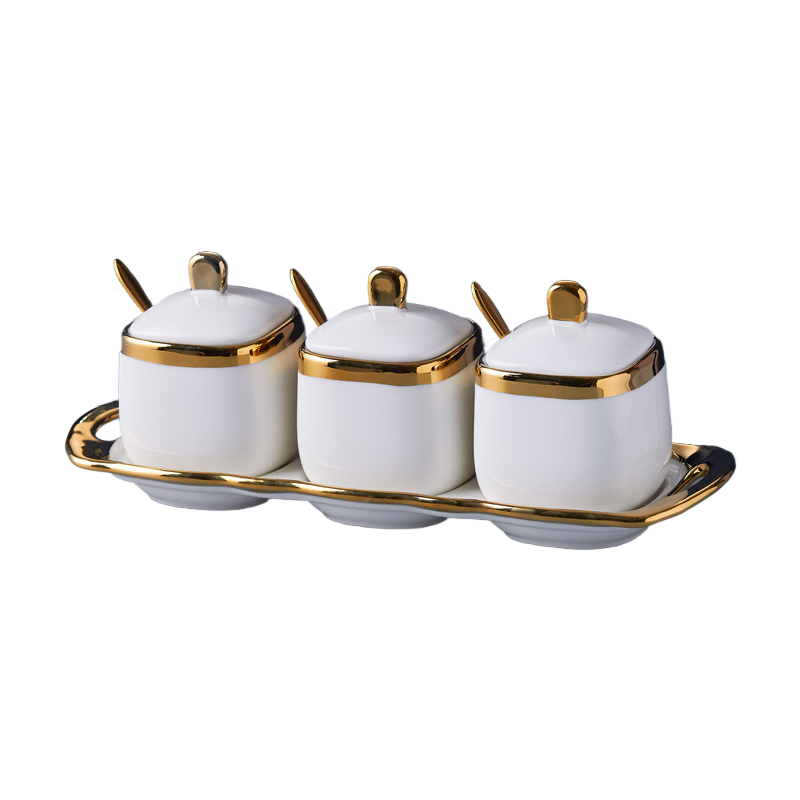
Products in this guide: Ceramic Dessert Bowl · Luxury Ceramic Spice Jar Set
This guide covers the six capability areas every buyer should probe, and the exact questions to ask.
Area 1: Kiln Size and Firing Limits
The kiln is the factory's bottleneck and its boundary. Key limits to confirm:
- Maximum piece dimension: the largest diameter and height that fit the kiln shelves. A dinner plate above a certain diameter, a tall vase, or a wide tray simply will not fire — no factory can fake kiln space.
- Firing temperature and body type: stoneware, porcelain and earthenware fire at different temperatures in different kilns. Confirm the factory actually fires the body you are quoting — a porcelain buyer quoted by a stoneware factory is a recipe for failures.
- Bisque-to-glaze ratio: some factories fire bisque in one kiln and glaze in another; the two capacities must match. Ask the monthly bisque and glaze capacity separately, not as one number.
Area 2: Glaze and Color Reproducibility
Glaze is chemistry with variables — and the variables do not always behave. Confirm:
- Batch-to-batch shade tolerance. Reactive, matt and crystalline glazes shift between batches by design; solid colors should hold to a small tolerance. Ask which of your intended glazes are reproducible and which are "artisan variable."
- Pantone matching limits. Glaze colors do not print like ink. A factory can usually match a Pantone within a small delta on the first lab dip, but near-neon and certain pastel shades are outside ceramic chemistry. Ask for a lab dip before committing to any solid color.
- Metallic and specialty finishes. Gold, silver and luster finishes add a firing step and have their own durability limits — confirm dishwasher behavior and the re-order reproducibility of the finish.
Area 3: Mold and Shape Capability
Custom shapes are built on molds — and molds have numbers attached:
- Mold stock per shape: the number of working molds the factory holds for a shape. It determines the monthly output ceiling and the reorder speed. A popular shape with 3 molds produces roughly 3× the volume of one with a single mold.
- Mold fee and ownership: confirm the mold fee (typically $800–3,000), the MOQ that absorbs it, and — in writing — that the buyer owns the mold and artwork.
- New-shape lead time: a new shape runs 6–10 weeks from mold to first samples. Confirm the factory's actual timeline, not the optimistic one.
Area 4: Decoration Line Capacity
Decoration is where bottlenecks hide. Confirm:
- The techniques the factory actually runs: screen printing, sublimation, decals, hand-painting, and the volumes each supports. A factory that mostly runs screen printing may subcontract sublimation — and subcontracting changes quality control.
- Daily decoration output: the decoration line often caps total production before the kiln does. Ask for the monthly decorated-piece capacity separately from the monthly blank capacity.
- Color count per design: screen printing adds cost per color; complex multi-color designs can trip the line's setup capacity. Confirm the maximum practical color count.
Area 5: Custom Work and Small-Run Reality
Custom work has its own economics:
- MOQ reality: the stated MOQ and the "efficient" MOQ are different numbers. Ask what batch size the factory actually runs efficiently for your technique — ordering at the efficient batch size saves both sides.
- Sample costs and turnaround: confirm the sample fee (often refunded against the first order) and the sample lead time, typically 7–15 days for decorated samples.
- What the factory will refuse: a good factory says no to some things — a glaze recipe they cannot hold, a shape beyond their kiln, a volume below their efficient run. Treat a factory that refuses everything with suspicion, and one that accepts everything with more.
Area 6: Capacity and Seasonality
Production capacity is not flat across the year:
- Seasonal load: Q3–Q4 is the industry's peak for Christmas and holiday programs. Confirm the factory's monthly capacity during your production window, not their annual average.
- Chinese New Year closure: every factory closes 7–15 days around the holiday; capacity tightens for weeks before and after. Plan around the closure date for your market.
- Parallel buyers: a factory running three other buyers' peak programs in the same window will deliver late to all of them. Ask how many programs they run in your production month.
The Capability Checklist Before Committing
Before signing the PO, get written answers to: the maximum piece dimension and body type the factory fires; the monthly bisque, glaze, blank and decorated capacities; the shade tolerance for your intended glazes and a lab dip for solid colors; the mold stock, fee, ownership and new-shape lead time; the decoration techniques and their output ceilings; the efficient MOQ and sample terms for your technique; and the capacity available in your production window. The factory that answers these questions precisely is the factory you can plan with — the one that gives vague answers is the one that will discover the limit on your order.
"Capability-Matched Ceramic Programs"
Explore products featured in this guide:
Have questions? See our Sizes & Finishes FAQ and Ordering & Certifications FAQ.
Need a custom quote? Send an inquiry or browse our full product catalog.