Wedding and Event Ceramic Gifts: Set Structure, Guest Favors and Seasonal Production Timing
The Wedding Buy Runs on the Calendar
The wedding and event ceramic order looks like a gift order - but it runs on the wedding calendar, and the wedding calendar is not the retail calendar. The peak seasons cluster: the spring and the autumn wedding weekends, the holiday-gift runs that buy the mugs in September for the December weddings, the corporate-event favors that follow the conference calendar (see our corporate-gift guide for the B2B side, and our gift-channel guide for the distribution logic). The planner's numbers are the headcount (the guests, the favors), the set structure (the tableware that dresses the tables) and the lead time (the production window that the season demands). This guide reads the wedding category through the planner's timeline: the set structure, the guest-favor logic and the seasonal production timing that decides whether the order arrives on the wedding morning.
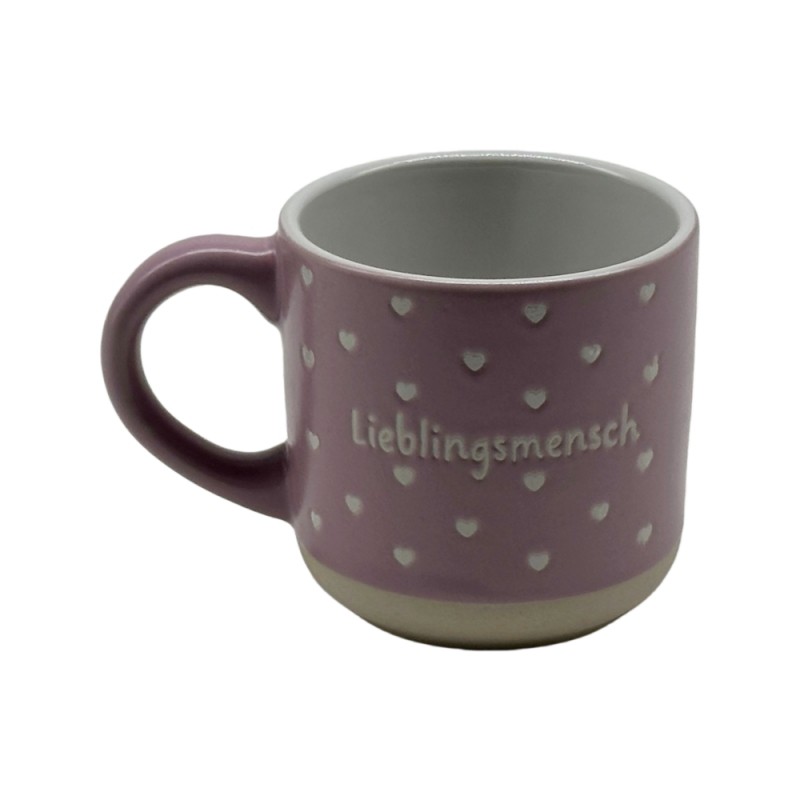
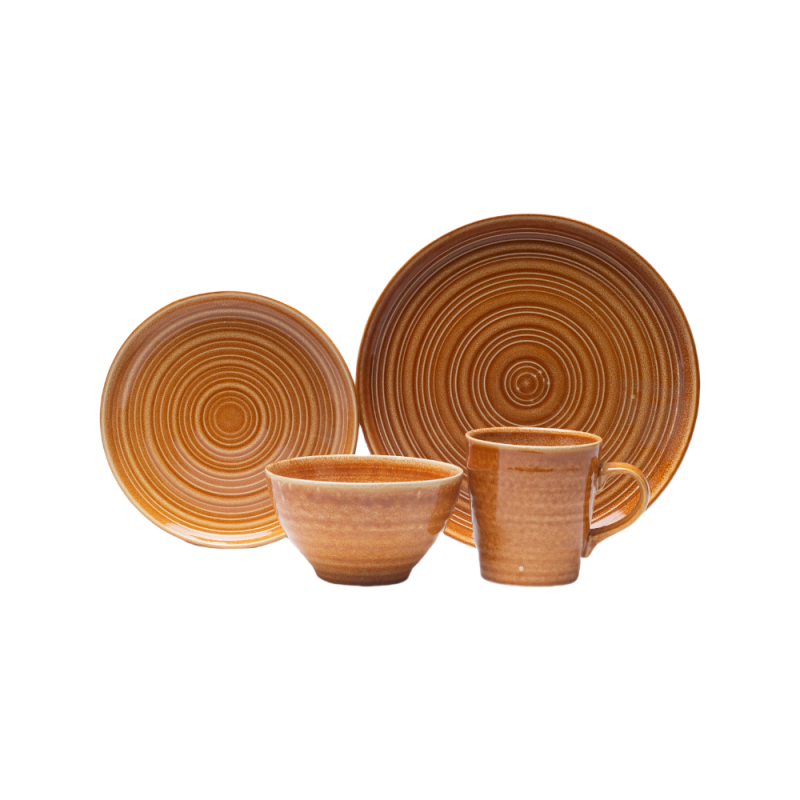
Products in this guide: Small Ceramic Gift Cup with Heart Pattern · Vintage Caramel Brown Stoneware 4-Piece Set
The Set Structure: Dress the Table as a Set
The wedding tableware buy is a set buy - the banquet tables are dressed in sets, not in singles, and the set defines the look of the wedding (see our banquet-guide for the tableware volume, and our dinnerware-guide for the set logic). The wedding set has its own structure: the starter set that dresses the head table and the guest tables, the tiered service (the charger, the dinner plate, the dessert piece) that builds the formal look, and the pattern continuity that lets the tables read as one wedding - the same glaze, the same decoration, the same edge across the hundred settings (see our color-control guide for the batch consistency, and our decal guide for the personalized decorations). The planner should buy the set as the reproducible unit: the pattern that the factory can re-run for the next-season wedding, the glaze that does not vary across the batch, and the set structure that the venue can store and re-dress (see our repeat-order guide for the protection, and our commercial-china guide for the durability the rental cycle demands). The signal: the wedding set should be speced as the repeatable unit - the same pattern, the same glaze, the same structure - because the wedding table reads as one look only when the batch reads as one piece.
The Guest-Favor Logic: The Piece That Says Thank You
The second part of the wedding buy is the favor - the small piece that each guest takes home, and the favor is the category where the ceramic piece wins (see our gift-mug guide for the favor potential, and our kids-cup guide for the small-piece production). The favor logic runs on three decisions. First, the piece: the small mug, the heart-pattern cup, the mini bowl - the favor that is useful enough to live in the guest's kitchen and personal enough to say thank you (see our gift-cup guide for the small-piece design). Second, the personalization: the names, the date, the monogram - and the personalization runs on the decal and the print, which need the lead time and the color-matching discipline (see our decal guide for the printing logic, and our color-control guide for the match acceptance). And third, the quantity math: the favors are bought on the headcount plus the reserve (the late guests, the broken pieces, the extra tables), and the reserve on the favor should run higher than the reserve on the tableware because the favor is the take-home and the take-home is the memory (see our banquet-guide for the reserve practice). The signal: the favor order should carry the headcount-plus-reserve math, the personalization spec and the production lead time - because the favor that arrives short is the wedding that remembers the miss.
The Seasonal Production Timing: Buy Before the Season
The third number in the wedding buy is the calendar, because the ceramic production runs on seasons, not on orders - and the planner who orders against the wedding date instead of the production season is the planner who pays the rush premium or misses the date (see our production-guide for the factory calendar, and our lead-time guide for the ordering math). The production reality: the personalized pieces (the decals, the prints, the monograms) need the longest window, the standard decorated lines need the medium window, and the blank pieces move the fastest - so the personalization should be locked first, the decoration second and the blanks last (see our custom-guide for the personalization pipeline, and our factory-QC guide for the inspection timing). The peak-season rule: the spring and the autumn wedding waves strain the factories and the shipping lanes together, and the planner who orders in the off-season gets the factory capacity, the stable price and the shipping buffer - the off-season order is the on-time wedding (see our quote-reading guide for the price logic, and our shipping-guide for the freight timing). The signal: the wedding order should be placed against the production season - the personalization first, the decoration second, the peak avoided - because the calendar is the supplier, and the supplier is the date.
The Wedding Checklist for the Planner
The wedding and event buy closes with a four-point checklist. First, lock the set: the reproducible pattern, the consistent glaze and the set structure that dresses the tables as one look (see our dinnerware-guide for the set logic). Second, plan the favors: the headcount-plus-reserve math, the personalization spec and the useful piece that says thank you (see our gift-cup guide for the small-piece design). Third, run the calendar: the personalization first, the decoration second, the peak season avoided (see our lead-time guide for the ordering math). And fourth, verify the delivery: the batch consistency, the inspection before the ship and the shipping buffer that lands the order before the wedding morning (see our factory-QC guide for the inspection, and our shipping-guide for the timing). The planners who run the wedding calendar buy the sets and the favors once and deliver the season - because they bought the reproducible set, the personal favor and the production window, not just the ceramics.
"Wedding-Ready Ceramic Collections"
Explore products featured in this guide:
Have questions? See our Sizes & Finishes FAQ and Ordering & Certifications FAQ.
Need a custom quote? Send an inquiry or browse our full product catalog.