Wedding Favours: A Per-Guest Product With a Fixed Date
The Problem: A Product Bought by Guest Count, Not by Container
Almost every ceramic category is bought in round quantities — a pallet, a carton, an assortment. Wedding favours are not. They are bought in the number of guests, which means the quantity is decided by an event plan rather than a stock policy, the date is fixed and immovable, and the unit cost is multiplied by a number the buyer is trying not to inflate. Understanding that arithmetic is the whole commercial basis of this category, and it explains why the sensible product is small, uniform and cheaply personalised rather than large and special.
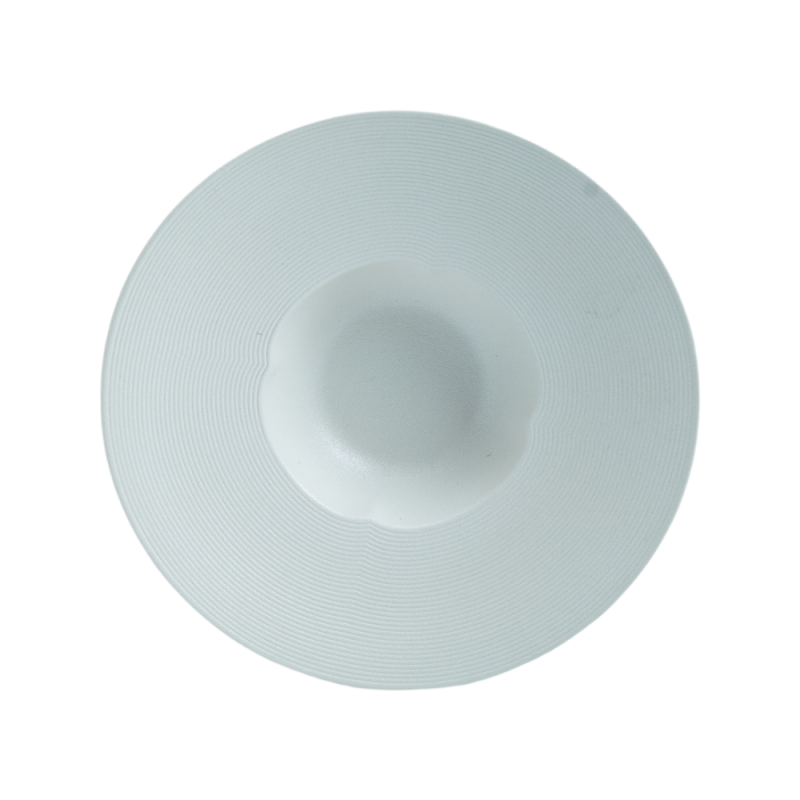
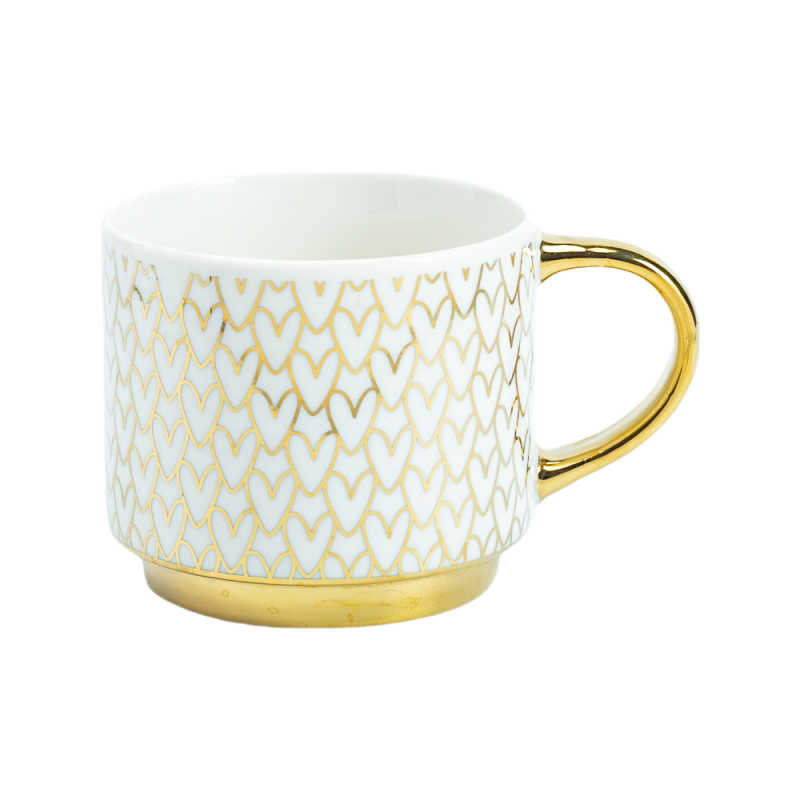
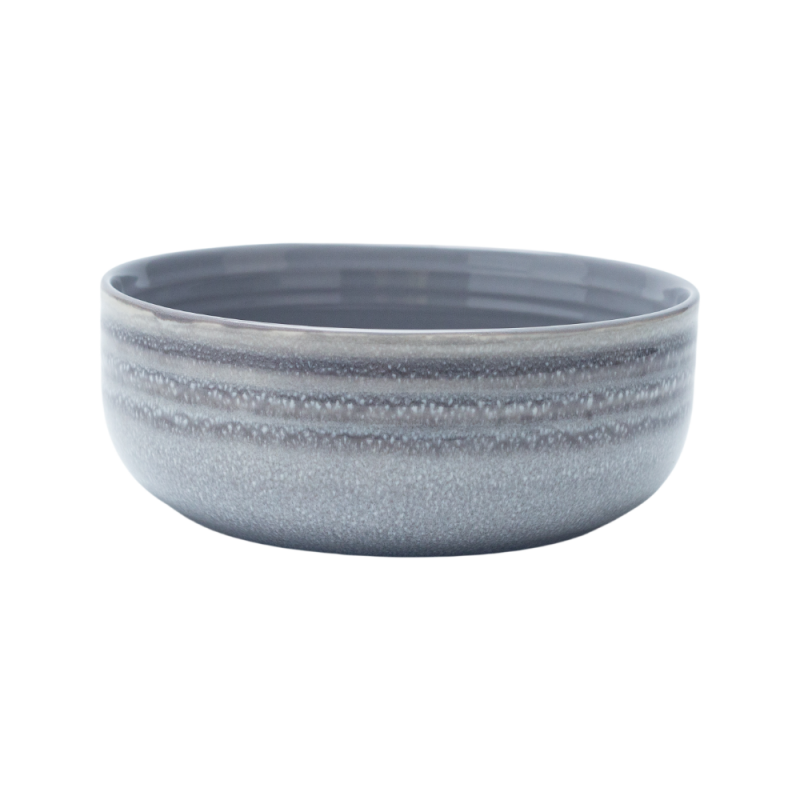
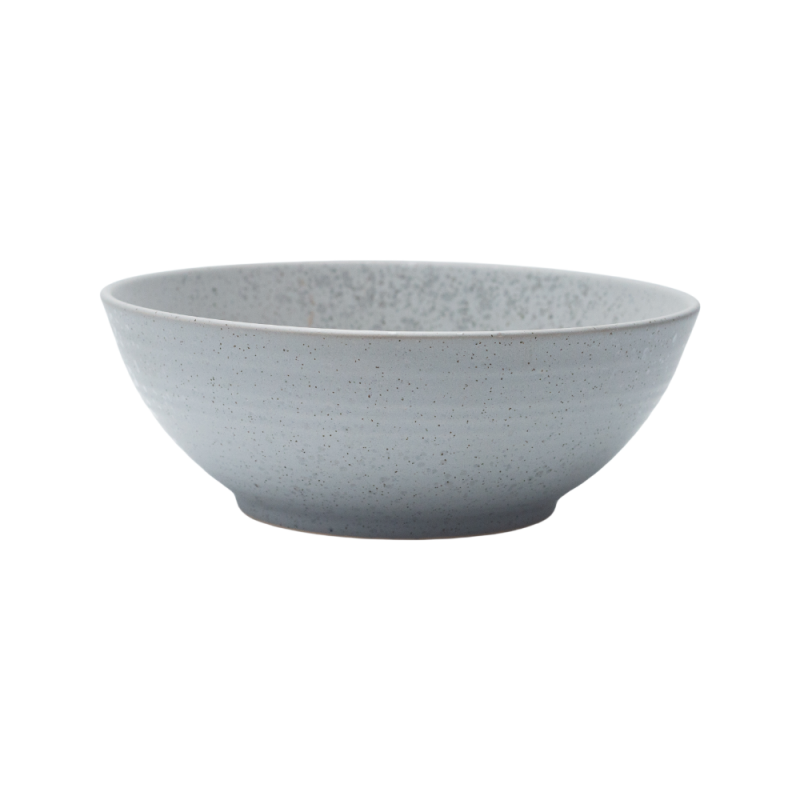
Products in this guide: White Ceramic Dinnerware Sets · Gold Handle Ceramic Mug
Where This Fits in the Sourcing Chain
The specification is simple and repeating: one form, one decoration, a variable name or date. The spec freeze guide explains how artwork and packing files are locked between orders. The packaging is per-unit and part of the gift, so it is specified with the product rather than after it. The packaging guide explains how retail-ready and protective layers are specified together. The full chain follows the standard sourcing map. See the full ceramic sourcing process map.
The Forms That Work
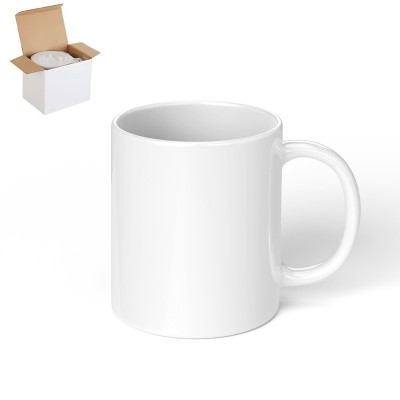
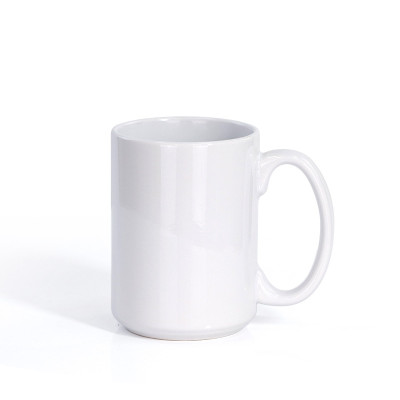
A small dish or trinket plate — the classic favour: useful, keepsake, and credible at a modest unit cost. A mini pot, planter or candle holder, which doubles as a table decoration before it becomes a gift, a feature buyers value because it serves two purposes from one budget. A small mug or espresso cup, the most practical option where the guest list is a working household rather than a formal one. A place-card holder combined with a gift, where the favour is also the signage — an elegant solution that reduces the buyer's total spend.
What does not work: anything large, anything fragile, anything that has to be individually chosen. A favour programme runs on one decision repeated two hundred times.
The Personalisation Trap, Explained Properly
The instinct is to print each guest's name. It is almost always the wrong purchase, for a structural reason: each different name is a different artwork, so the cost scales with the guest list rather than with the quantity. The workable structures are these two. One shared design with the couple's names and date on the piece, and the individual guest name on a printed tag, sleeve or place card — which is where per-piece variation is genuinely cheap. Or one shared design with no individualisation at all, where the favour is a keepsake of the day rather than of the person.
The Ordering Reality
Three features define the order. A fixed date: a wedding does not move, so the delivery date is non-negotiable and the ordering window runs backwards from it. A quantity that changes: the guest list is often confirmed late, so a supplier should expect an initial order and a top-up, and should say so in advance rather than absorb it. A season: in the Northern Hemisphere the window runs from late spring to early autumn, with the strongest concentration in summer.
For a midsummer wedding, the order belongs four to six months ahead, with artwork approved a month before production. That places the practical window in December to March — earlier than most buyers expect, and the reason favour programmes so often arrive compressed. The replenishment calendar maps the ordering windows for the whole year.
Who Buys
Wedding and event retail, buying favour ranges as stock rather than bespoke. Wedding planners and venues, buying for specific dates and valuing reliability above design. Hotels and destination venues, buying favours as part of a package, usually in plain finishes that suit any wedding. Stationery and personalisation businesses adding a ceramic item to a print-led offer — a natural fit, because they already handle the variable element.
The Habit That Ties It Together
The habit is to ask how many guests before discussing what to make. Programs that do this design a favour that survives the arithmetic of a guest list. Programs that do not propose something beautiful that the budget cannot carry two hundred times.
Related Products
Explore products featured in this guide:
Have questions? See our Sizes & Finishes FAQ and Ordering & Certifications FAQ.
Need a custom quote? Send an inquiry or browse our full product catalog.