Valentine's Gift Boxes and the Display That Sells Them
The Problem: The Product Is Designed, the Gift Is Not
A Valentine's pair set is usually specified with care — two mugs, matched glazes, complementary prints — and then packed in whatever box is available. That inverts the logic of the purchase. A buyer choosing a Valentine's gift is not buying two mugs; they are buying a present, and the object that communicates "present" is the box. On a shelf, the box is what is seen before the mugs. Online, where most of this buying now happens, the box is frequently the only thing photographed.
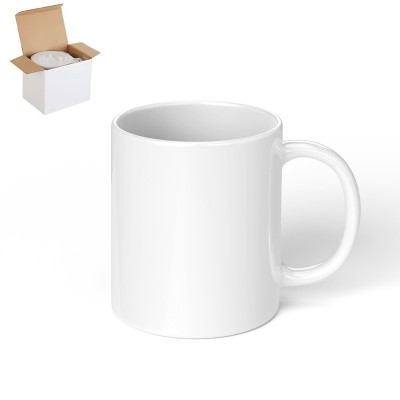
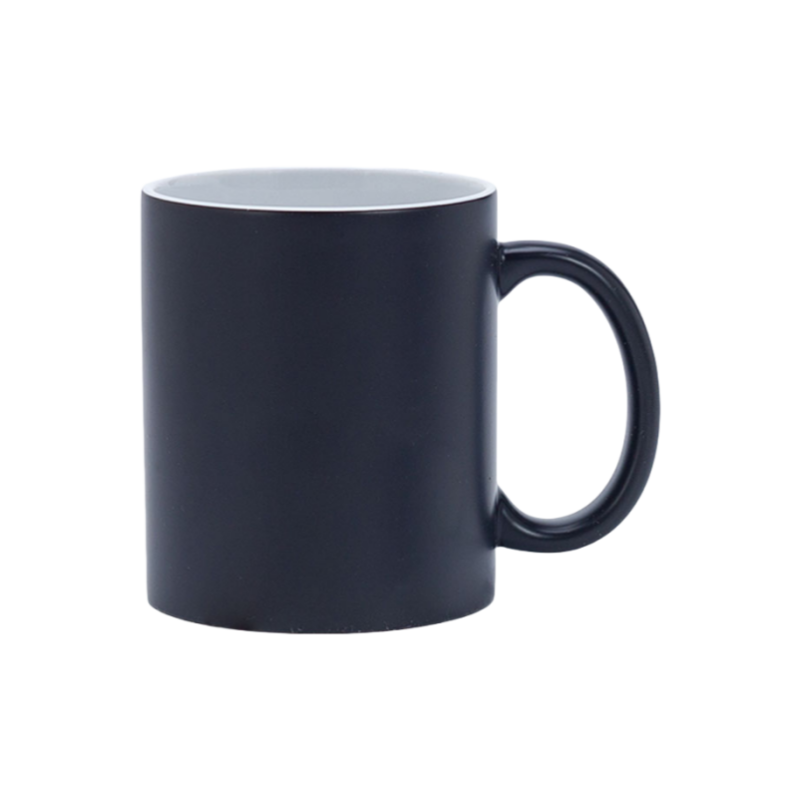
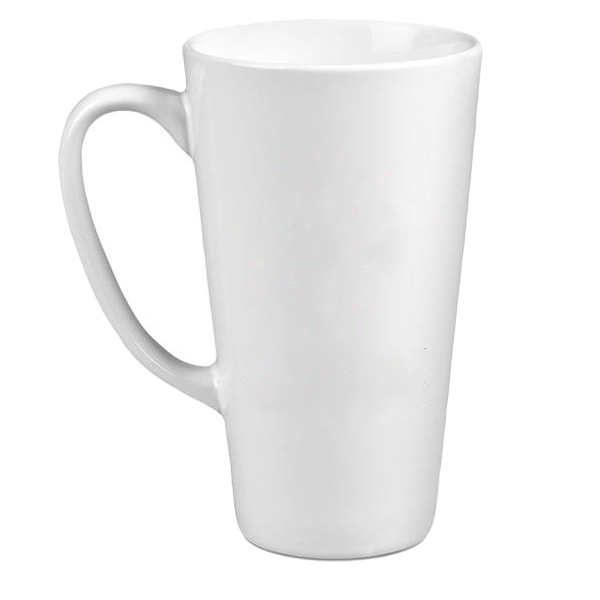
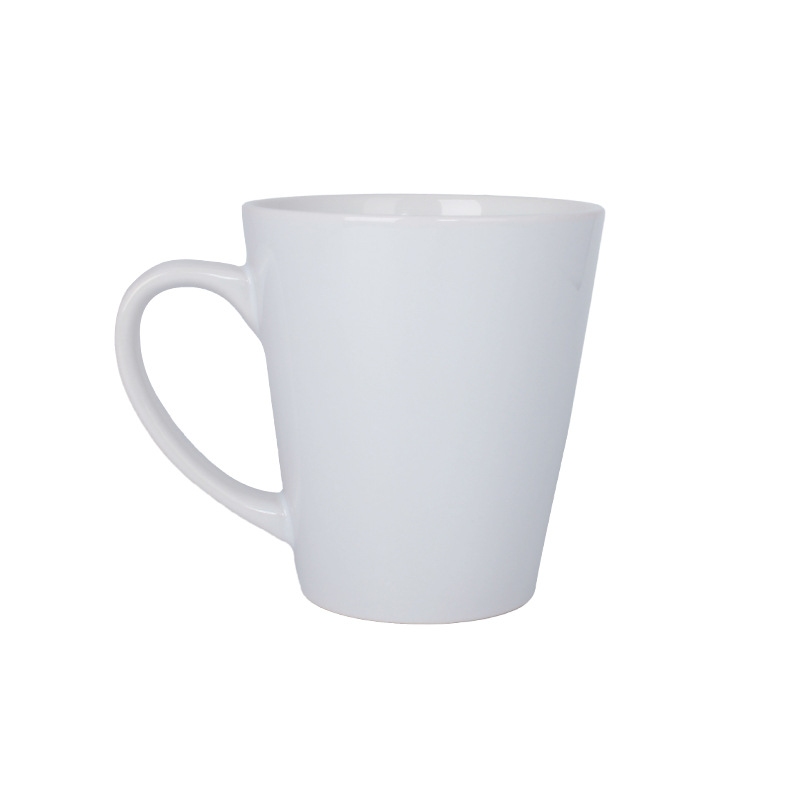
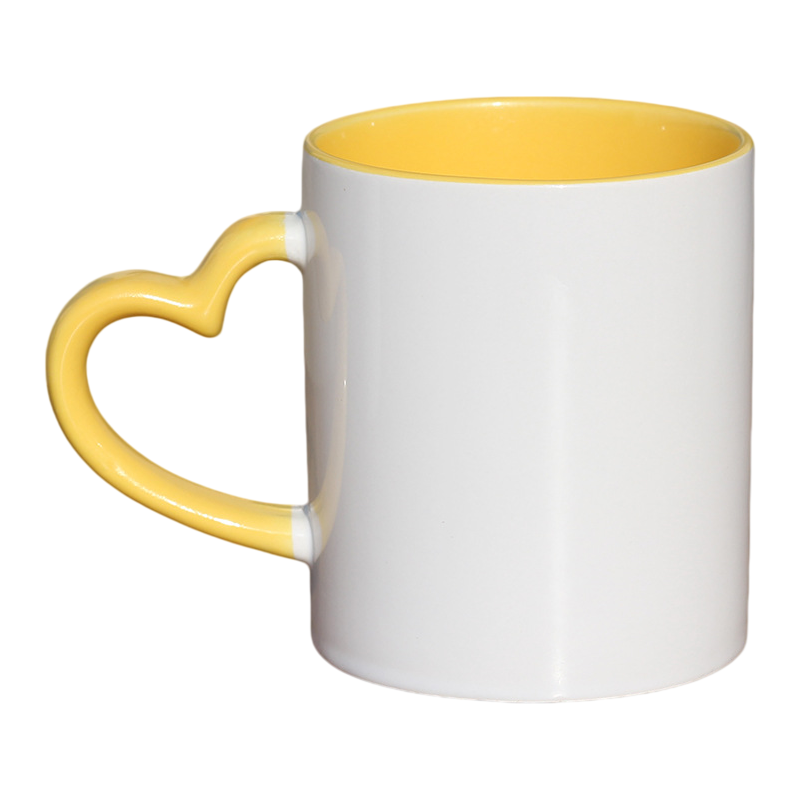
Products in this guide: 11oz Sublimation Magic Mug · Blank Sublimation Latte Mug
Where This Fits in the Sourcing Chain
The box is part of the product specification, not an accessory added at shipping. The packaging guide explains how retail-ready and protective layers are specified together. It has to be frozen with the artwork and reordered identically, or the second season looks different from the first. The spec freeze guide explains how artwork and packing files are locked between orders. And the reference sample should be the pair in its box, because that is the unit the customer receives. The master sample guide explains how sealed references keep batches identical. The full chain follows the standard sourcing map. See the full ceramic sourcing process map.
The Four Box Decisions
Rigid or folding. A rigid box reads as a gift and survives the journey; a folding carton is cheaper and lighter, and reads as retail packaging. The choice usually follows the price point rather than the other way round.
Window or no window. A die-cut window shows the mugs and sells the pair without the customer opening anything, at the cost of a fragile aperture and a slightly higher packing risk. A closed box with a printed image gives a stronger graphic and a cleaner photographic look.
Insert design. The insert is functional before it is decorative: it stops the two pieces touching, keeps them from shifting, and defines how they sit when the lid opens. A good insert is the difference between a set that arrives intact and a set that arrives chipped at the handle.
Message card and ribbon. These are the cheapest elements in the box and the ones most often remembered. A blank card costs almost nothing and turns packaging into a gift; a fixed printed message removes the customer's decision but also removes the risk of a bad one.
What Makes It Photograph Well
Three practical points decide how the box performs online. One hero pair per photograph, because two mugs plus a busy background plus a price sticker is unreadable at thumbnail size. A visible price point on the graphic, since Valentine's gifting is price-led and buyers compare quickly. The open-state shot as well as the closed one, because the closed box shows the gift and the open box shows the contents — and customers want both before deciding.
What the Box Costs, and Where to Save
A gift box typically adds a material percentage to the unit cost of the pair, most of it in tooling and setup rather than material. Three ways to hold it down without cheapening the result: one box size for the whole pair range, so tooling is amortised across designs; printed label or sleeve instead of a printed box, which allows market and design changes without new tooling; and ordering packing components in the same production window as the mugs, which avoids a second setup and a second freight movement.
The Display Layer
On the shelf, a Valentine's presentation works differently from a normal planogram: one hero facing, priced clearly, with the box facing outward rather than multiple designs competing. Where the retailer prefers depth, the second facing should be the same design in a second colourway rather than a different product — the decision the customer is making is "which one", not "whether". Online, the equivalent of the display is the first three photographs and the first line of the description, which is where the box image earns its place.
The Habit That Ties It Together
The habit is to specify the box in the same conversation as the mug, and to treat the open state, the price point and the photograph as part of the product design. Programs that do this sell a gift. Programs that do not sell two mugs in a carton and wonder why the price point will not hold.
Related Products
Explore products featured in this guide:
Have questions? See our Sizes & Finishes FAQ and Ordering & Certifications FAQ.
Need a custom quote? Send an inquiry or browse our full product catalog.