Using Third-Party Inspection for Ceramics: When to Book It, How It Works and How to Read the Report
The Third Pair of Eyes Is Cheaper Than the First Bad Shipment
A ceramic shipment is a large bet on a small inspection: the buyer checks a sample of the goods at arrival, but by then the container is paid for and the factory's attention has moved on. Third-party inspection moves the check to where the factory can still act — on the production line and before the container is loaded. The fee (typically $200–500 per inspection, often shared with or absorbed by the factory) is a fraction of the cost of one rejected container. For the right orders, third-party inspection is the cheapest quality insurance in ceramic sourcing.
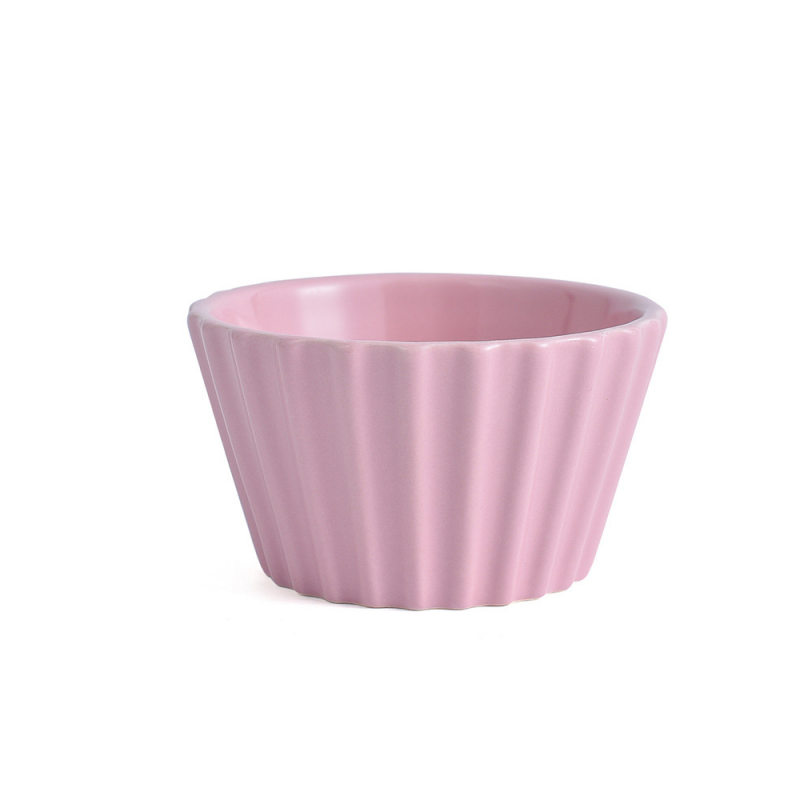
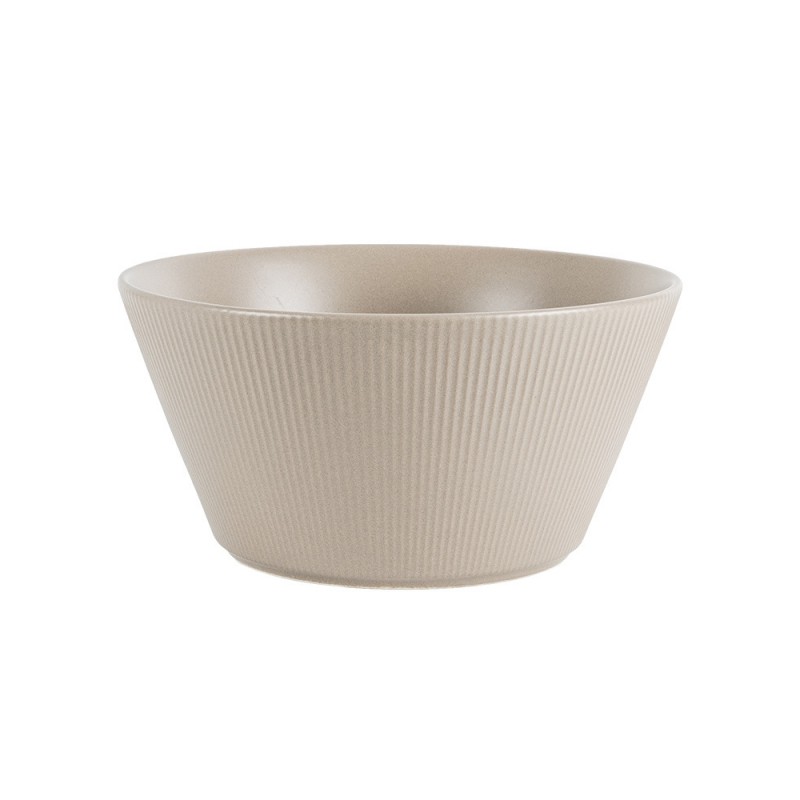
Products in this guide: Ceramic Baking Bowl · Ceramic Soup Bowl
This guide covers when third-party inspection is worth it, how the three stages work, and how to read the report.
When to Book It
Third-party inspection is not for every order. It earns its fee when the stakes are high or the relationship is new:
- First orders from a new factory: you have no track record — the inspection is the track record.
- Large or high-value orders: the fee scales with the order, but so does the risk; above a threshold (often one container or a high unit value), inspection pays for itself.
- Custom or decorated programs: anything with a spec to verify — glaze shade, dimensions, decoration placement, pack count — is a candidate. Standard blanks need it less than custom work.
- After a quality incident: a factory that slipped once needs a third pair of eyes on the next batch until the fix is proven.
The rule of thumb: if a quality failure would cost more than the inspection fee plus the delay, book it. For most ceramic buyers that means every first order and every large order.
The Three Stages
Third-party inspection runs in three optional stages, each at a different point:
- During production (mid-production): the inspector visits while production is running and checks materials, glaze application, and early output against the spec. This is the stage that catches systemic problems — a wrong glaze batch, a dimension drift — before they multiply across the whole run.
- Pre-shipment (the most common): after production, before loading, the inspector samples the finished goods against the approved sample and the spec sheet, at an AQL level agreed in advance. This is the check that protects the buyer's money: defective goods are flagged while the factory can still rework or replace them.
- During loading (container loading): the inspector watches the container being packed — correct product, correct pack count, correct carton markings, proper loading. Loading checks catch the silent failures: the right mugs in the wrong boxes, the damaged carton loaded anyway.
Most buyers run pre-shipment as the standard, add mid-production for custom or high-volume programs, and add loading supervision for first shipments or when the factory's packing record is weak.
How to Read the Report
The inspection report is a document with a verdict structure, and it pays to read it correctly:
- Critical findings: a safety issue — lead-cadmium failure, a broken piece that could injure, a wrong material. A critical finding means the shipment should not proceed until resolved.
- Major findings: a spec violation that affects the product's function or saleability — wrong glaze shade outside the agreed range, dimensions out of tolerance, decoration misaligned. Majors are the field where most ceramic disputes live; the report states the defect count and the AQL verdict (pass/fail).
- Minor findings: cosmetic deviations within acceptable limits — slight shade variation, minor surface marks. Minors are recorded for the buyer's information and usually accepted.
The verdict is normally "pass" or "fail" against the agreed AQL levels (see our inbound inspection guide for the AQL numbers). A fail means the factory reworks or replaces, and a re-inspection is scheduled. The report also carries the inspector's photos — the photos are evidence, and evidence is what a claims conversation (see our sea-freight damage guide) needs.
The Three-Layer Quality System
Third-party inspection completes a system, it does not replace it:
- Layer 1 — factory self-inspection: the factory's own QC at production (every factory has one; the question is its standard).
- Layer 2 — third-party inspection: the independent check at production and pre-shipment — this is the layer that turns "the factory says it's fine" into "an independent inspector verified it."
- Layer 3 — buyer arrival inspection: the buyer's own check at delivery (the 48-hour window and evidence chain).
The three layers cover different risks: self-inspection catches routine defects, third-party inspection catches the factory's blind spots, and arrival inspection catches the transit. Buyers who run only arrival inspection are betting on the first two layers being perfect — and that is a bet the third pair of eyes exists to remove.
The Booking Checklist
Before booking third-party inspection, confirm: the inspection standard (AQL levels, sampling size, critical/major/minor definitions) agreed with the factory in advance; the reference documents (approved sample, spec sheet, packing list); the stage (mid-production, pre-shipment, loading) and the date window; the report recipient and the fail-handling rule (rework, replacement, re-inspection); and whether the factory covers the fee (common for repeat programs — negotiate it). A third-party report in hand is not a formality — it is the difference between accepting a container on evidence and accepting one on hope.
"Inspection-Ready Ceramic Programs"
Explore products featured in this guide:
Have questions? See our Sizes & Finishes FAQ and Ordering & Certifications FAQ.
Need a custom quote? Send an inquiry or browse our full product catalog.