Turning Trade Show Leads into Ceramic Orders: The 30-Day Follow-Up Playbook
The Trade Show Is Where Leads Are Born — and Buried
Every ceramic buyer who exhibits at a trade show collects a stack of leads — and most of that stack goes cold within a week. The pattern is always the same: the show ends, the team returns to inboxes full of the work that waited, and the leads wait too. By the time anyone follows up, the buyer has compared three other factories, and the conversation that felt so promising in the booth has been forgotten.
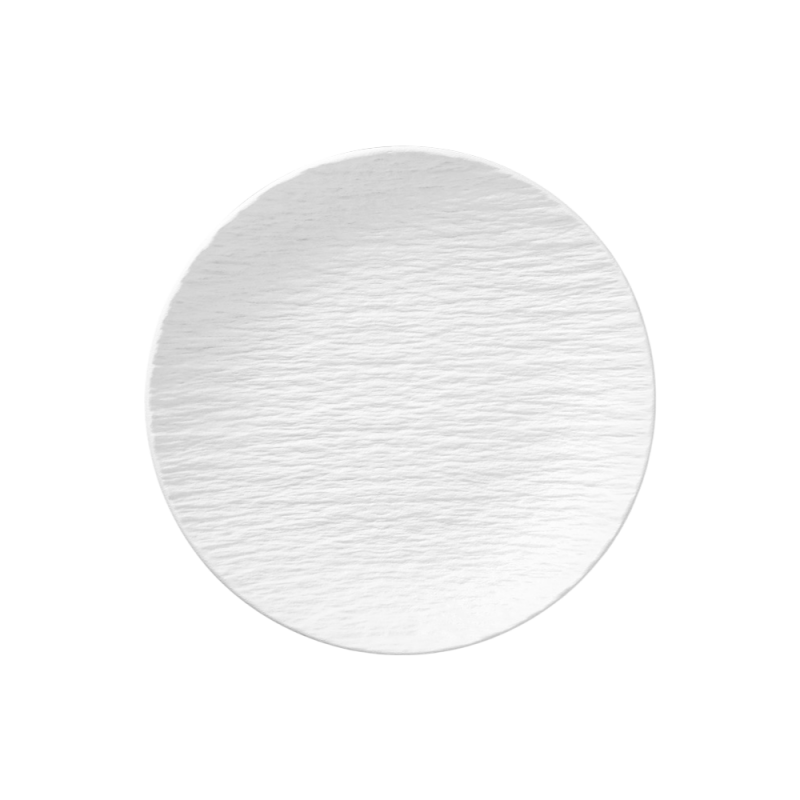
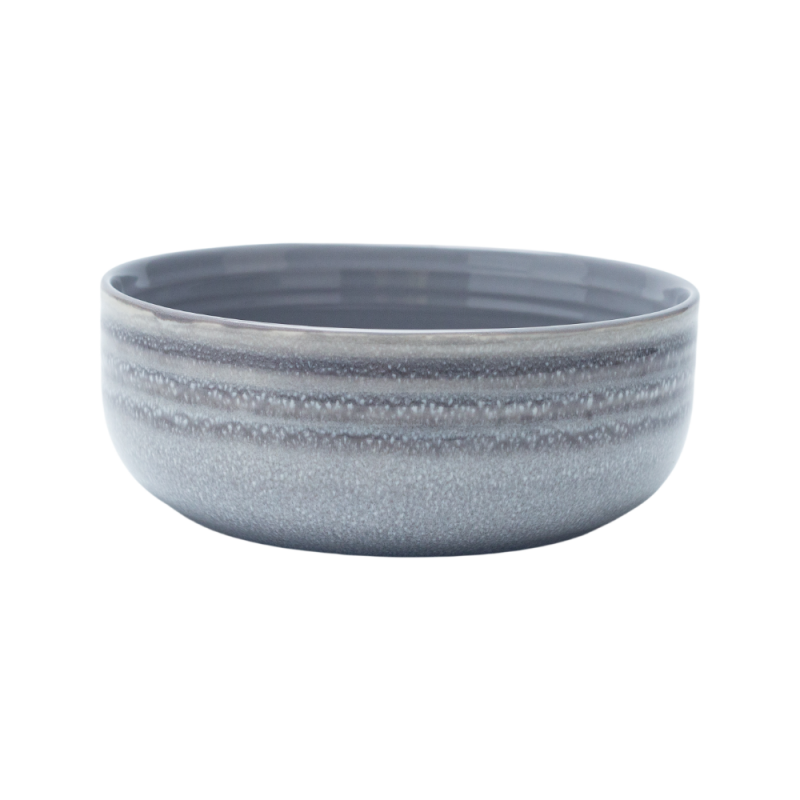
Products in this guide: White Stoneware Salad Plates · Reactive Glaze Stoneware Bowl
The trade show is not the sales process; it is the start of one. The 30 days after the show decide how many booth conversations become purchase orders. This playbook covers the four lead types, the follow-up rhythm, and the sequence that converts.
Step 1: Sort the Leads the Night the Show Closes
Do not sort leads from memory a week later — sort them the night the show closes, while the conversations are fresh. Sort into four types:
- A — Active project: the buyer described a specific order — a product, a quantity range, a timeline. These are the 5–10% of leads that matter most.
- B — Comparing suppliers: the buyer is evaluating 2–3 factories on the same product. They are real buyers, but the decision may be weeks away.
- C — Information gathering: the buyer is researching categories for a future project. Low urgency, but they answered the question "what are you sourcing for?" — worth the drip list.
- D — Industry noise: competitors, market research, or a brochure collector. Thank them briefly and let them go.
The sorting rule: A leads get the full playbook below; B leads get a slower version; C leads get a quarterly touch; D leads get nothing beyond a courtesy note.
Step 2: Follow Up Within 48–72 Hours — With Evidence, Not Greetings
The first follow-up lands within 48–72 hours of the show close, and it must contain evidence the conversation happened — not a generic "it was great to meet you." The buyer met forty vendors; they will remember you only if your email reminds them of the specific exchange. The first email should include:
- The booth moment: "We discussed the reactive glaze bowl for your hotel program on Thursday afternoon."
- The promised item: the quote, the sample, the spec sheet or the catalog pages you said you would send — attached, not promised.
- One next step: a time to talk, a sample shipment, or the missing information you need from them. One next step, not five.
Step 3: Ship Samples to A Leads Within a Week
For A leads, the sample is the next transaction, not a courtesy. Ship the sample within a week of the show, with: the sample itself; the spec sheet and price breakdown; and a return label or a defined "keep it" condition if they are evaluating. A sample in hand turns a conversation into a file in their system — and a file in their system is an order in progress.
Step 4: The 30-Day Sequence for A Leads
The 30 days after the show follow a rhythm that keeps the lead warm without being pushy:
- Day 2–3: first follow-up with the promised item and one next step.
- Day 7: the sample shipment confirmation with tracking, plus the technical data sheet (AQL, lead time, MOQ) pre-loaded so they have everything to make a decision.
- Day 14: a check-in that adds value — the answer to a question they asked at the booth, a trend data point for their market, or the glaze shade they hesitated on.
- Day 21: the commercial close — a revised quote if the conversation moved, a production-slot note (seasonal capacity tightens), or a request to meet the factory decision-maker.
- Day 30: the decision email — a summary of everything provided, the proposed next order step, and a clear question: where does this stand?
The rhythm is one touch per week — enough to stay in the conversation, not enough to become noise.
Step 5: The Email That Converts — What It Must Contain
The converting email is not longer than one screen. It contains: a subject line with their company or product name; the one-sentence reminder of the booth conversation; the attached item (quote, sample photo, spec); the price breakdown if pricing was discussed; and one clear next step with a date. No attachments over the email body's value — the attachment is the email.
The 30-Day Scorecard
At day 30, score the A-lead pipeline: how many moved to sample stage, how many requested quotes, how many are still active, and how many went silent. Three diagnostics matter:
- Silence rate above 60%: the follow-up is too generic or too slow — tighten the 48-hour rule.
- Sample-to-order lag: samples shipped but no decision after 30 days — add the day-21 commercial close more firmly.
- Quote-to-order ratio low: the booth pricing conversation was too loose — collect price points and MOQs at the booth, not after.
The Factory That Helps You Close
The follow-up playbook works better when the factory is part of it. Before the show, ask your factory for: a sample set ready to ship within the week; a one-page technical sheet per product (capacity, weight, AQL, lead time, MOQ); and a price list in the currencies and trade terms your booth buyers use. A factory that has these ready turns your booth conversations into orders — and that, not the booth design, is what the trade show is for.
"Exhibition-Ready Ceramic Programs"
Explore products featured in this guide:
Have questions? See our Sizes & Finishes FAQ and Ordering & Certifications FAQ.
Need a custom quote? Send an inquiry or browse our full product catalog.