Tiered Mug Pricing Explained: How 1K, 5K and 50K Units Change Your Cost
The Tiered Price Trap
Every ceramic buyer has seen a price table: 100 pcs at $2.10, 1,000 at $1.60, 5,000 at $1.35, 10,000 at $1.25. The instinct is to order the biggest tier you can afford — but that instinct can cost you money, warehouse space and cash flow. Tiered pricing is a tool, not a goal. This guide explains how mug price tiers actually work, where the real savings appear, and how to structure an order that hits the best price break without over-buying.
Where the Tiers Come From
A factory's cost per mug is not flat. It moves with four levers:
- Material booking — clay, glaze and packaging bought in bulk at the start of a big run cost less per unit.
- Kiln utilization — a full kiln is cheaper to run than a half-empty one; factories price to keep the kiln full.
- Setup amortization — decal printing, screen setup or glaze mixing costs the same whether you print 100 or 10,000; bigger runs spread it thinner.
- Handling and QC — inspection, packing and loading scale sub-linearly with volume.
Because of these levers, the price curve is not a straight line. It bends sharply at specific breakpoints — usually at the volumes that let the factory book a full kiln batch.
A Realistic Tier Table for Plain and Decorated Mugs
| Order tier | Plain 11oz | Decal/decorated | Where the discount comes from |
|---|---|---|---|
| 1-100 pcs | Highest (sample/small batch) | Highest | Setup + hand packing dominate |
| 500 pcs | -10~15% vs 100 | -8~12% | First material discount |
| 1,000 pcs | -20~25% vs 100 | -15~20% | Full carton load, kiln batch |
| 5,000 pcs | -30~35% vs 100 | -25~30% | Dedicated glaze batch |
| 10,000+ | -35~45% vs 100 | -30~40% | Raw material booking |
Two things to notice. First, the biggest single jump is usually between 500 and 1,000 — that is where the factory crosses into a full kiln batch. Second, decorated mugs have a flatter curve than plain mugs, because decoration adds a per-piece cost (transfer, labor) that volume only partially dilutes.
Where the Real Discounts Start (and Where They Stop)
The honest answer: most of the achievable saving is captured by 1,000-5,000 units. Beyond that, the curve flattens hard. The difference between 5,000 and 10,000 is often 3-5% — real money on a big PO, but not the dramatic drop the tier table implies. And beyond 20,000-50,000, factories shift to a different conversation entirely: raw material futures, dedicated production lines, long-term agreements. That is procurement, not pricing.
So before you inflate an order to chase a tier, ask: *is the extra inventory costing me more than the per-unit saving?* Warehouse rent, tied-up capital and the risk of dead stock routinely eat a 5% price break.
How to Structure Your Order for the Best Price
- Find the breakpoint, not the bottom. Ask for a full tier table (not just two tiers) and identify where the curve bends. Price your order at the tier just above your realistic need.
- Consolidate SKUs to reach the tier. Ten designs at 100 each prices far worse than three designs at 350 each — even if the total piece count is the same. Fewer SKUs at higher volume per SKU wins every time.
- Split big volume into reorderable tiers. If you need 8,000 units, order 5,000 now and lock the 5,000-tier price for a 3,000 reorder within 90 days. Many factories honor the tier if the total hits the breakpoint within the window.
- Combine blanks with decorated. Blank mugs and decal mugs in one PO can share cartons and freight, effectively raising your volume against a single cost base.
- Ask for the freight-adjusted price. A tier saving of 4% can disappear into a rush freight charge. Compare landed cost, not ex-works price.
When NOT to Chase a Tier
- You are testing a new design or market — a small order at a worse price is cheaper than 5,000 dead mugs in a warehouse.
- Your cash flow is tight — a 4% saving on paper is worth less than not tying up capital for 60 days.
- The design is seasonal — leftover holiday stock past the season sells at a loss that dwarfs any tier saving.
- You only need a fraction of the tier — ordering 10,000 because the price is great, when you need 3,000, is how warehouses fill up.
The Negotiation That Works Better Than Chasing Tiers
Instead of asking "can you lower the price at 10,000?", ask these three questions:
- "What is your full price ladder from 500 to 20,000?"
- "If I commit to X units over three orders in six months, can I hold the tier price?"
- "What is the price if I consolidate all my SKUs into one container?"
A factory that quotes only two tiers is hiding the curve. A factory that shows you the whole ladder is a partner worth keeping. Tiered pricing exists to align your order with the factory's kiln economics — use it that way, and both sides win.
Need a full price ladder for your mug order? Send us your SKU list and target volume — we will quote the complete tier table, not just one price.
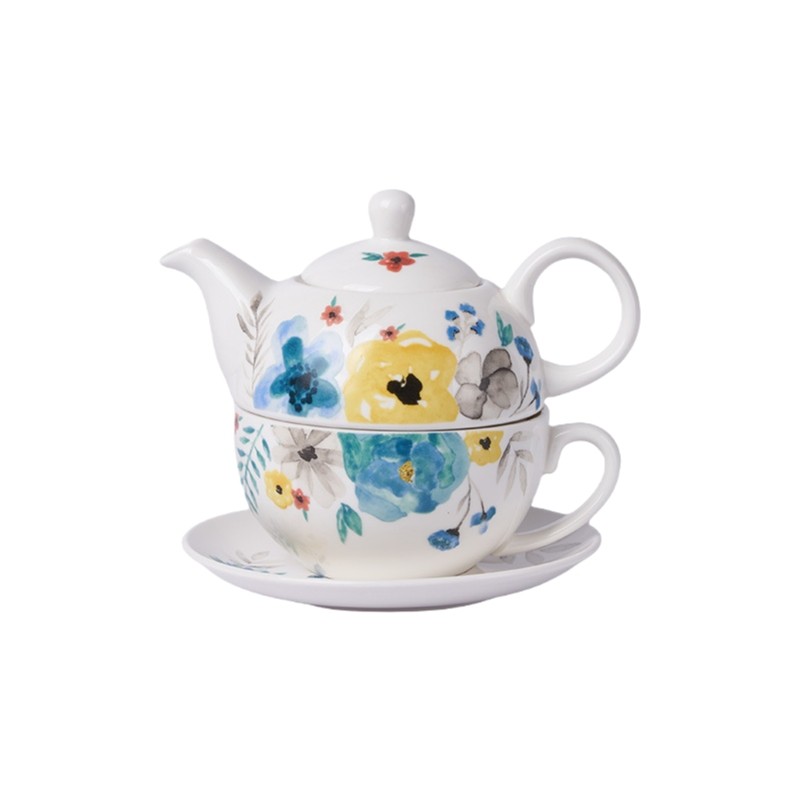
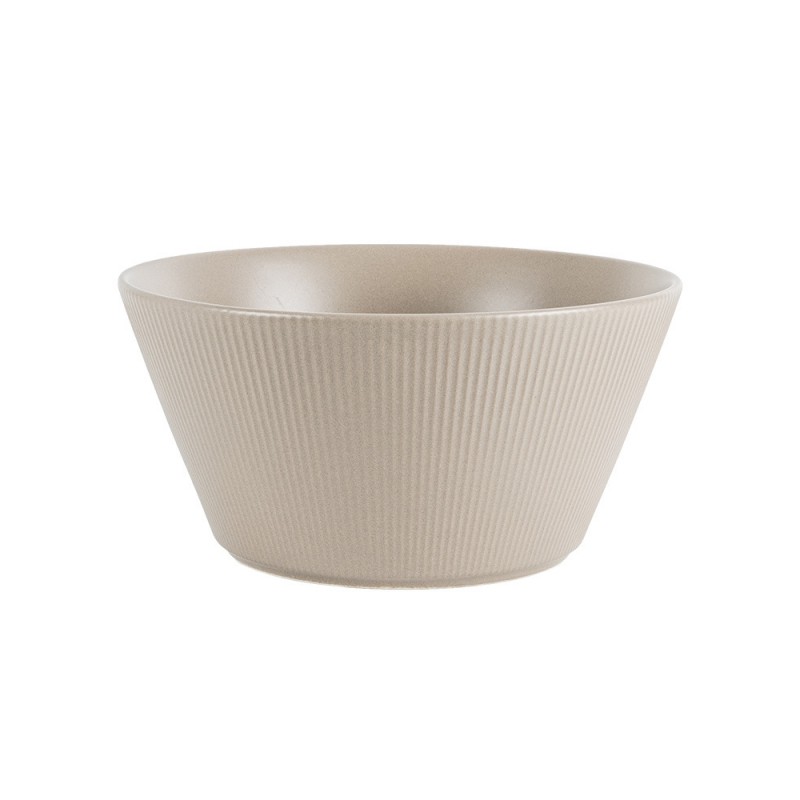
"Featured Tableware for Your Volume Order"
Explore products featured in this guide:
Have questions? See our Sizes & Finishes FAQ and Ordering & Certifications FAQ.
Need a custom quote? Send an inquiry or browse our full product catalog.