The Sampling Process in Ceramic Sourcing: Four Sample Types, the Costs, and Why a Sample Is Not the Product
The Sample Is the Contract, Written in Clay
Every ceramic order runs through sampling, and every sampling mistake compounds: a sample approved on the wrong assumptions becomes a container that fails inspection; a sample that was rushed becomes a reorder that does not match. The buyers who treat sampling as the first quality gate — not a formality before production — are the ones whose shipments pass. This guide covers the four sample types, the costs, and the approval gates that turn a sample into a legal quality benchmark.
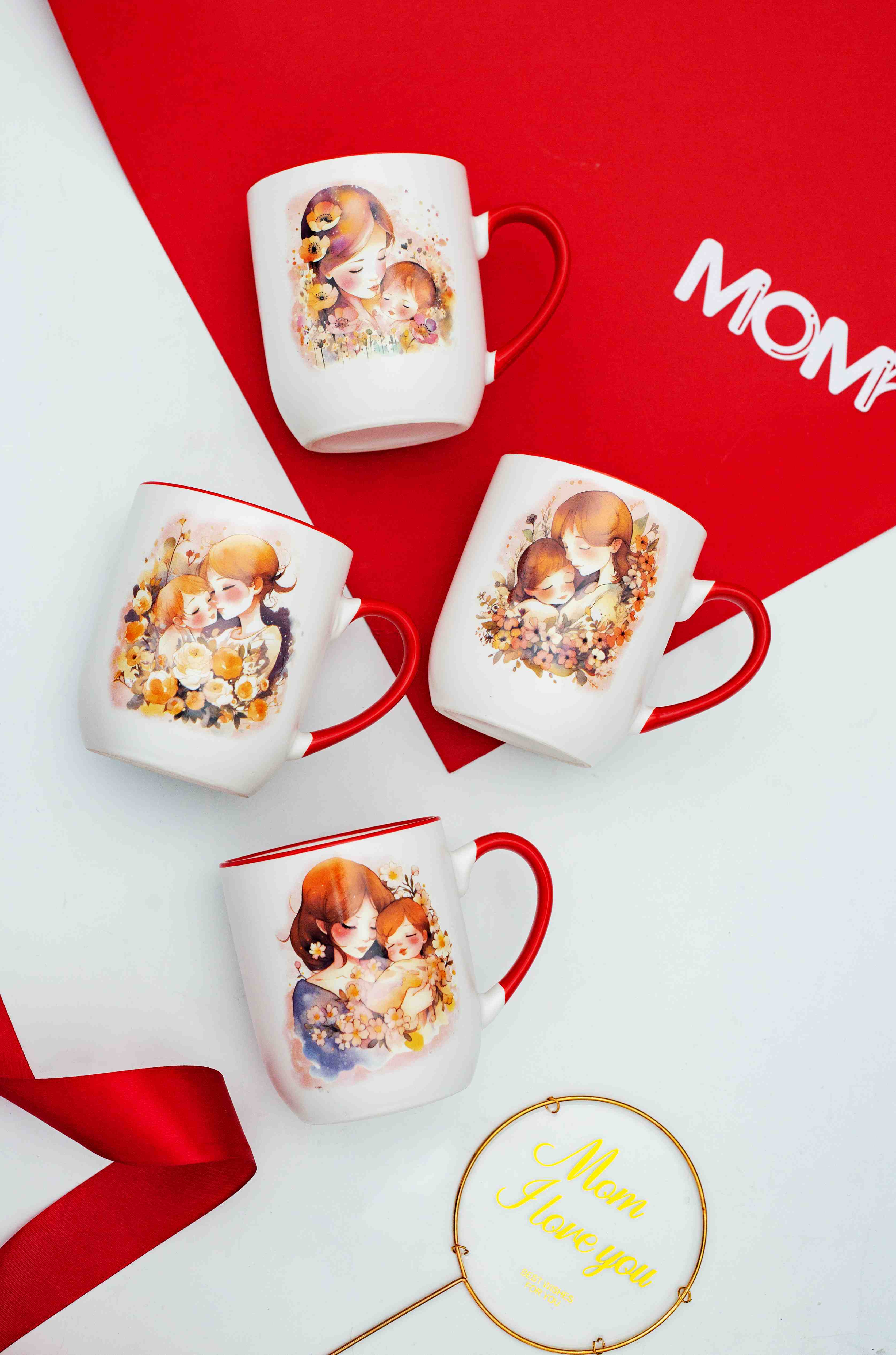
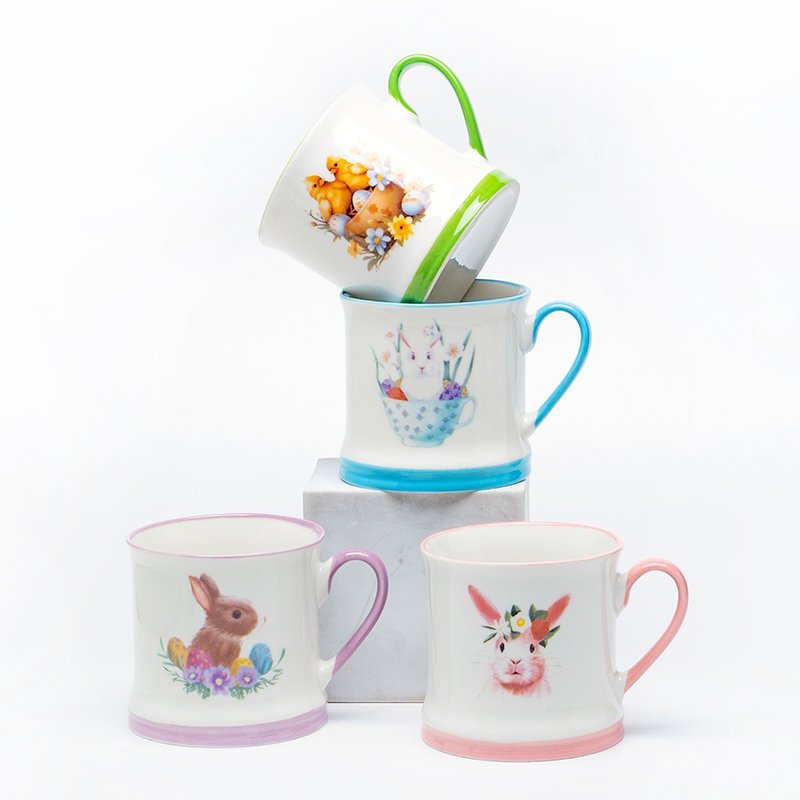
Products in this guide: Mother's Day Ceramic Mugs · Rabbit Animal Ceramic Mugs
The Four Sample Types
Each sample stage answers a different question, and they are not interchangeable:
- Development sample: the first physical proof of a new shape or finish — answers "can this be made?" It is made by hand or on a trial line and is not representative of production quality. Used for shape approval and glaze direction, never as a quality benchmark.
- Approval sample / pre-production sample: made on the production line, with the production glaze, decoration and dimensions — answers "will the batch look like this?" This is the sample that becomes the quality benchmark: the contract references it, the AQL inspection compares against it, and the reorder must match it.
- Production sample: the first pieces pulled from the actual production run, confirming the line is producing to the approval sample. It is the mid-production checkpoint — catch drift here, not at arrival.
- Shipment sample: a representative piece pulled from the finished batch before loading, confirming what is actually in the container. It is the final evidence before the goods leave — and the reference for any arrival dispute.
The discipline: only the approval sample is a benchmark; the others are checkpoints. Mixing them up — holding a development sample as the standard — is how shipments fail on arrival.
The Costs and the Refund
Sample costs follow a standard pattern worth negotiating:
- Sample fee: typically $30–100 per piece for standard shapes, higher for decorated or custom pieces. Most factories refund the sample fee against the first order — confirm this before paying, and get it in writing.
- Mold and tooling costs: for custom shapes, the mold fee ($800–3,000) is separate and usually not refundable — it is a capital cost that stays with the buyer's mold ownership (see our contract guide).
- Sample shipping: the buyer's cost, and it varies with speed — a quick courier sample (3–5 days) versus sea-freighted samples (weeks). For a first program, the courier is worth it; the sample is the gate.
- Sample lead time: standard shapes run 3–5 days; decorated samples 7–15 days; custom shapes with new tooling 15–25 days. Confirm the timeline before ordering — a sample that arrives late compresses the whole program.
The Approval Gate
Sample approval is the moment the sample becomes a contract document. The gate has three steps:
- Check against the spec, not the eye. Measure the sample: capacity, dimensions, wall thickness, handle. Compare the glaze and decoration to the references (Pantone, lab dip, artwork). Approval by "it looks good" is approval without a benchmark.
- Document the approval. The approval email or form states: "sample approved as the quality benchmark for order X, dated [date]" — and lists any agreed deviations. This one line is what wins every later quality dispute (see our contract guide for referencing the sample in the contract).
- Keep the sample. The approved sample is stored — the buyer keeps one, the factory keeps one — and it travels to the inspection as the comparison reference. A lost sample is a lost benchmark.
Why a Sample Is Not the Product
The most expensive misunderstanding in sampling: the belief that production will look exactly like the sample. It will not, and the differences are predictable:
- Hand vs line: development samples are made by skilled hands; production runs on machines with tolerances. Slight differences in glaze application and edge finish are normal and should be within the agreed tolerance, not a surprise.
- Batch variation: glaze batches differ slightly (see our color-control guide); the sample is one batch, production is another. The approval gate should set the acceptable deviation range, so a normal batch difference is not a dispute.
- Small vs large: a sample is one piece; production is thousands. Defects that are invisible on one piece appear at rate across a batch — which is exactly what AQL sampling (see our inbound inspection guide) is designed to catch.
The Sampling Checklist
Before ordering samples, confirm: which sample type is being made and what it will be used for (never use a development sample as a benchmark); the sample fee and refund-against-order terms in writing; the mold/tooling costs and ownership; the sample lead time against the program calendar; and the approval gate — spec-based check, documented approval, sample retained. Sampling done right is the cheapest quality insurance in the program: it costs a few pieces and a week, and it prevents a container's worth of surprises.
For the full picture of ordering at volume — specification, sampling, printing and lead times — see factory-direct custom mugs from China.
"Sampling-Ready Ceramic Programs"
Explore products featured in this guide:
Have questions? See our Sizes & Finishes FAQ and Ordering & Certifications FAQ.
Need a custom quote? Send an inquiry or browse our full product catalog.