
The Sample Register: Making a Two-Year-Old Reference Findable
The Shelf of Unlabelled Mugs
Every ceramic programme accumulates samples: first articles, colour approvals, rejected pieces, competitor references. Within a year they are a shelf of similar mugs, and nobody can say which one was approved, when, or for which order.
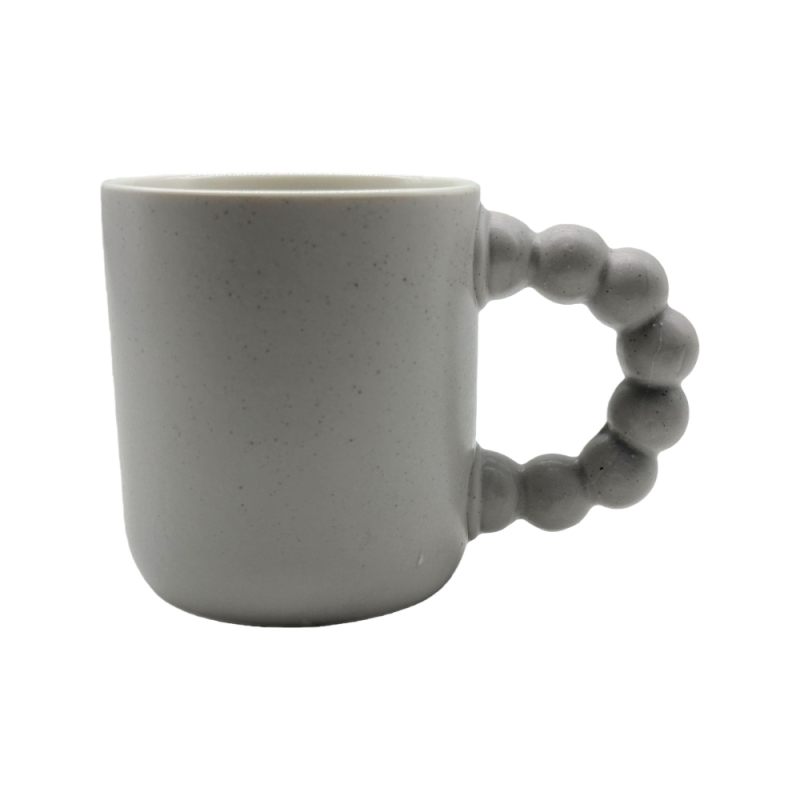
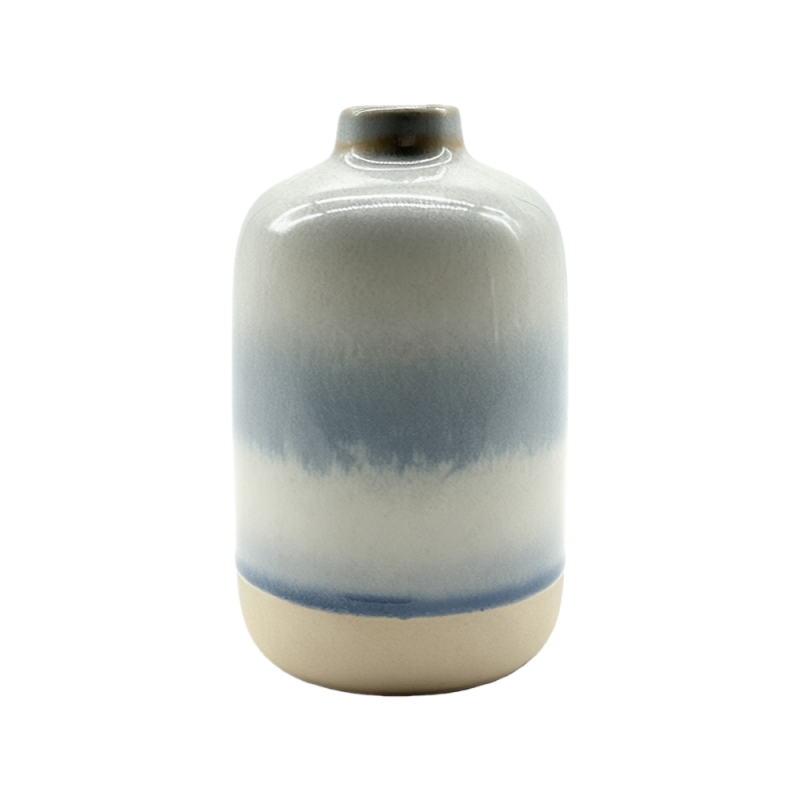
Products in this guide: New Bone China Ceramic Mug · Reactive Glaze Ceramic Flower Vase – Modern Handmade Home Décor Vase
That is the moment a dispute becomes unwinnable — not because the evidence does not exist, but because it cannot be identified.
Three Kinds of Sample, Three Different Jobs
- The sealed reference — the approved piece, bagged and dated, opened only for a dispute or a re-approval. This one is never used for daily comparison.
- The working sample — a second piece of the same approval, kept accessible, used for the routine comparison when a delivery arrives.
- The record sample — a piece from a specific production batch, kept because something happened: a complaint, a process change, a new line.
Confusing these three is why programmes end up with a "reference" that is scratched, sun-faded and impossible to date.
The Two-Sample Rule
For every approval, retain two pieces:
- One sealed, labelled inside and out, stored away from light and handling.
- One working, in the inspection area, replaced when it becomes worn.
When a delivery is questioned, the sealed piece settles it. The working piece is what people actually pick up, and it will not survive two years of that.
What the Register Needs to Record
A register is a list, and the fields are what make it useful:
- ID, in a scheme that can be read without a lookup — for example `ITEM-YYYYMMDD-PURPOSE-N`.
- Date sealed, and by whom.
- Item and specification version it belongs to.
- Purpose — approval, colour, batch record, complaint, competitor.
- Location — which cabinet, which box, which shelf.
- Photographs and measurements taken at the moment of sealing.
- Linked documents — the specification, the test report, the inspection report.
- Retention period, and the disposal date.
The photographs and measurements matter more than they seem: they let a sample be checked without opening the bag, which is the difference between a reference that survives and one that gets handled to death.
Storage That Does Not Degrade the Evidence
- Bag, then label inside and outside. A label on the outside falls off; a label inside is still there.
- Away from light. Glazes shift in sunlight, and a faded reference is not a reference.
- Stable temperature and humidity, away from a kiln or a loading door.
- Separate from working stock, so it is not borrowed, dropped or used as a paperweight.
Retention: How Long, and What to Keep
The practical rule: keep the sealed reference for the life of the programme plus the warranty period, and keep batch record samples until the batch's last delivery is out of warranty.
When a programme closes, keep the final approved reference — it is what a future reorder will be measured against.
Retrieval Is the Whole Point
A register nobody can search is a pile with a spreadsheet attached. Two indexes make it work:
- By item, so a delivery can be checked against the right reference in seconds.
- By date, so "what did we approve in March" is answerable.
Add a third if the programme is large: by batch, which is what a complaint actually needs.
For the surrounding decisions, see <a href="https://www.storiwareceramicmugs.com/oid1757203/The-Custom-Mug-Programme-Buyer-Guides-by-Decision.htm">the custom mug programme guides</a> and the <a href="https://www.storiwareceramicmugs.com/oid1757096/Ceramic-Quality-Inspection-Hub-AQL-Defects-Testing.htm">quality and inspection hub</a>, which cover approval and inspection records. Our <a href="https://www.storiwareceramicmugs.com/products2147420/Custom-Ceramic-Mugs-Cups.htm">ceramic mugs and cups</a> range is produced to a retained specification per item, and the <a href="https://www.storiwareceramicmugs.com/oid1756307/Custom-Ceramic-Mugs-Bulk-Order-Factory-Direct-from-China.htm">bulk order programme</a> explains how approval samples are held. To set up a register for a programme, <a href="/contact-us.htm">send the item list and the approval history you already have</a>.
The spec freeze guide explains how artwork and packing files are locked between orders.
What to Put in the Register
- A readable ID scheme, no lookup required.
- Date, approver and specification version.
- Purpose and location for every sample.
- Photographs and measurements taken at sealing.
- The two-sample rule — one sealed, one working.
- A retention period and a disposal date, so the shelf does not become a museum.
The packaging guide explains how retail-ready and protective layers are specified together.
The Habit That Ties It Together
The habit is to label the sample the same day it is approved. A sample without a date is a mug.
Related Products
Explore products featured in this guide:
Have questions? See our Sizes & Finishes FAQ and Ordering & Certifications FAQ.
Need a custom quote? Send an inquiry or browse our full product catalog.

