
The Q1 Off-Season Window: Where Ceramic Buyers Find the Deals
The Quiet Quarter Is the Bargain Quarter
The first quarter is the quiet season in ceramic sourcing: the holiday rush is over, the spring orders are still in development, and the factories have capacity they want to fill (see our CNY and restart guides for the shutdown that splits the quarter). The buyers who work the quiet quarter as an opportunity find price room, capacity room and stock deals that the peak never offers - and the buyers who treat it as downtime leave the savings on the table. This guide covers the factory-side picture, the three opportunities, and the rules for buying the off-season without buying its problems.
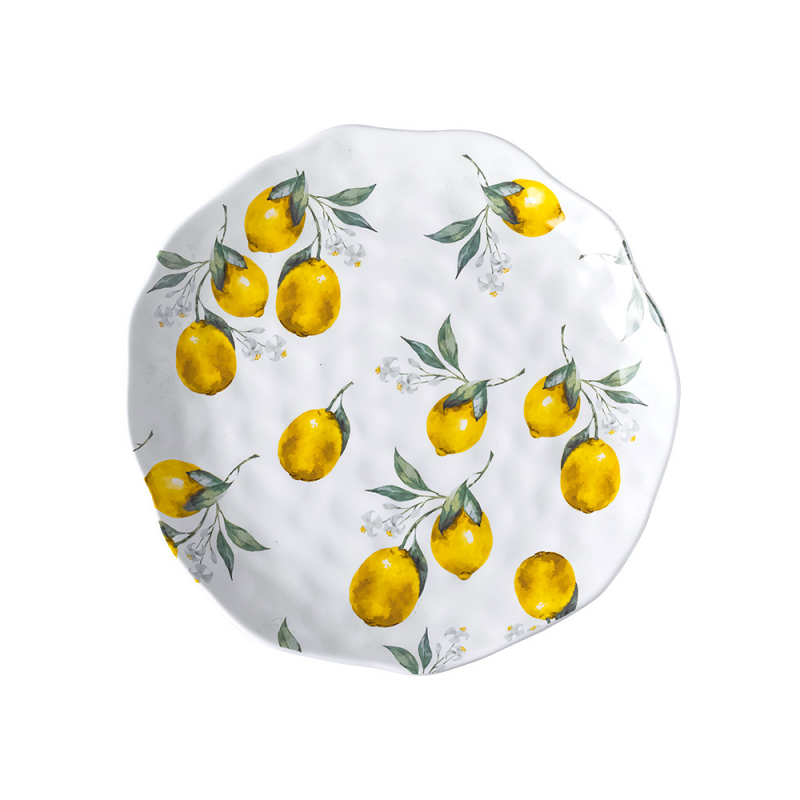
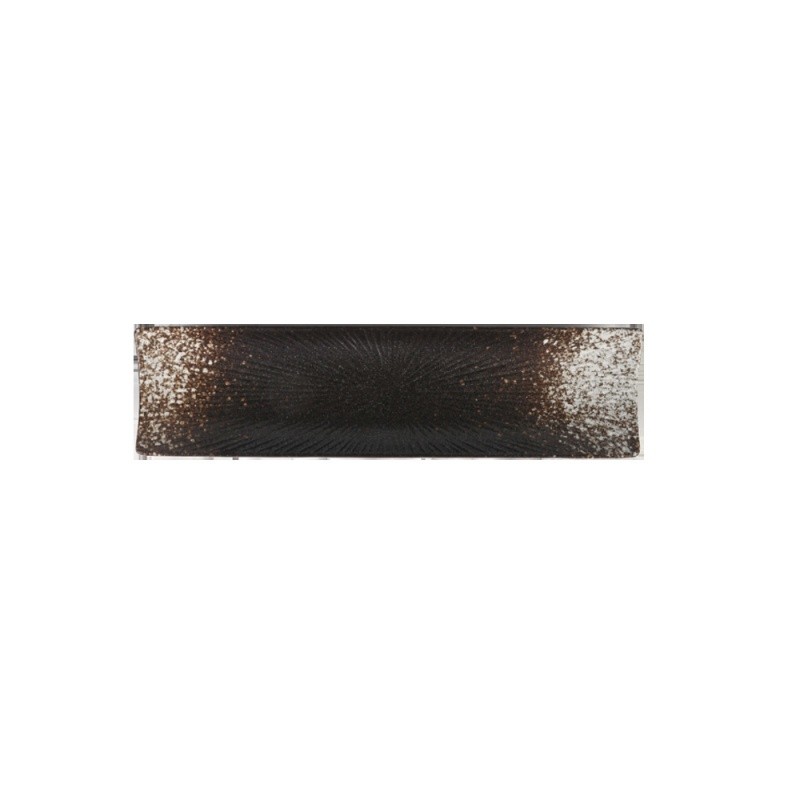
Products in this guide: Lemon Pattern Stoneware Plate · Japanese Long Rectangular Serving Plate
The Factory-Side Picture
The Q1 factory looks different from the peak: the order book is thinner, the lines run below capacity, and the sales teams are under pressure to fill the months (see our factory-capability guide for how capacity works). The negotiation room follows the load: a factory with open capacity is more willing to discuss price on volume, to compress a lead time, to run a trial batch or to include a packaging improvement at the same price (see our negotiation guide for the leverage structure). The caveat is the calendar: the Chinese New Year shutdown splits the quarter, so the true production windows are the weeks before the shutdown and the weeks after the restart (see our CNY-calendar and restart guides) - the off-season opportunity lives around the hole, not in it.
The Three Off-Season Opportunities
The first opportunity is price on volume: an off-season order - a reorder of a proven seller or a well-planned new item (see our first-order guide for the discipline) - negotiated at the quieter rates, with the freight softer outside the peak (see our container guide for the FCL/LCL math). The second opportunity is capacity: the development and sampling work that the peak pushes aside - the trial batches, the new-factory qualifications, the sample sprints (see our sampling and new-factory guides) - fits naturally in the quiet weeks. The third opportunity is stock: the factory's own overruns and closeouts from the peak season, offered at discount - usable when the item fits the buyer's market and the batch passes the quality gates (see our inspection guide for the acceptance rules). The rule: the off-season is for volume at better prices, development at better speed and stock at discount - not for betting on untested ideas.
The Rules for Buying the Off-Season
The off-season has its own discipline. The first rule: buy what you planned - the off-season discount is not a license to buy items that were not in the plan (see our budget-case and annual-plan guides); the plan sets what is bought, the season sets the price. The second rule: verify the stock deals - a closeout batch is inspected like any other batch, with the color and quality gates applied (see our color-control guide). The third rule: time the shipping around the shutdown - an order that ships into the holiday hole sits at the port (see our CNY and logistics guides). The buyers who work Q1 as an opportunity - planned volume at quieter rates, development in the open capacity, verified stock at discount, shipping timed around the shutdown - are the buyers whose annual margin gets a head start every year.
"Off-Season Ceramic Products"
Explore products featured in this guide:
Have questions? See our Sizes & Finishes FAQ and Ordering & Certifications FAQ.
Need a custom quote? Send an inquiry or browse our full product catalog.