
The Promotional Programme Timeline: Working Backwards From the In-Store Date
A Promotional Order Has One Deadline
Replenishment tolerates a week either way: the shelf is refilled when the goods arrive. A promotional programme does not. There is a launch date, a campaign behind it, and a space on shelf that was booked with the retailer months earlier. Arriving late means arriving after the promotion.
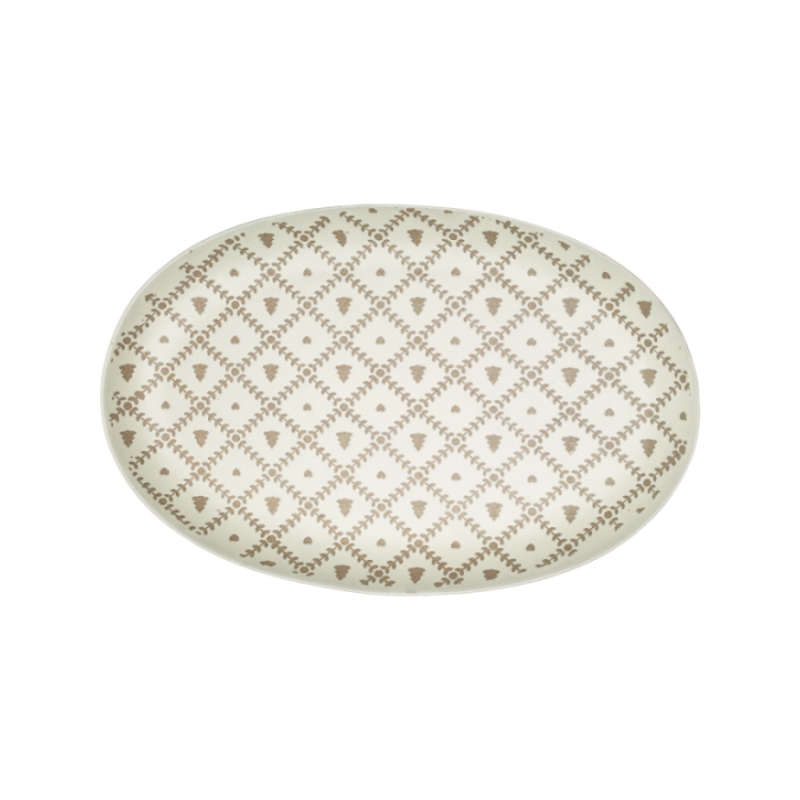
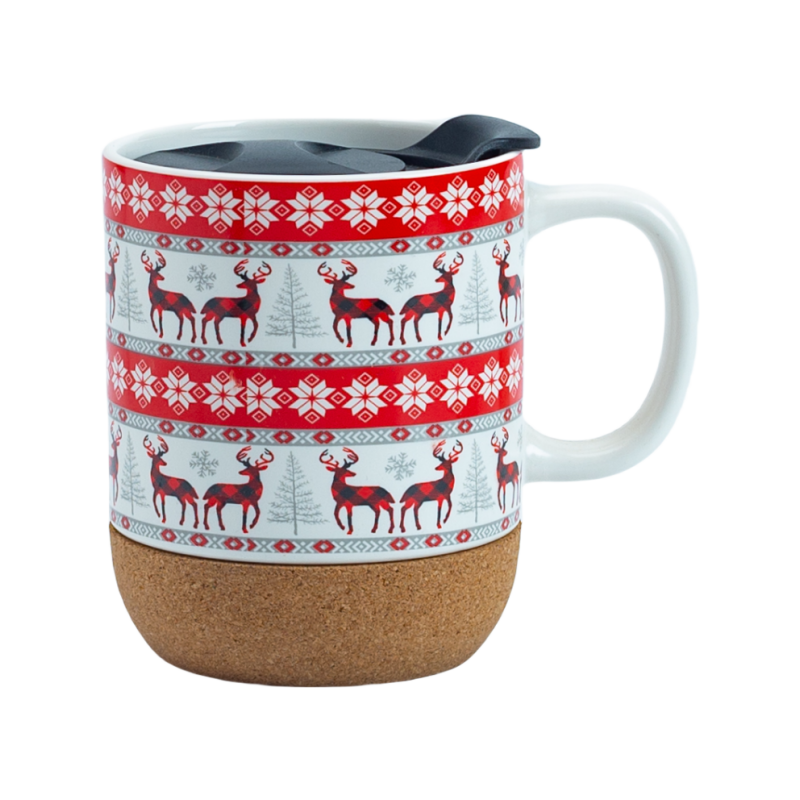
Products in this guide: Japanese Ceramic Dinnerware Plate – Black Stoneware Dinner Set Style · 14oz Christmas Ceramic Mug with Cork Base
That single difference changes how the schedule must be built. It has to be built backwards from the date, with the float placed where it can actually absorb a slip.
The Reverse Timeline
Start at the in-store date and subtract, in this order:
- In-store date — the fixed point.
- Distribution — delivery to the retailer's DC or to the stores, plus the retailer's own booking window and any quality check time. Retail booking windows can be several weeks wide and are not negotiable.
- Final mile and clearance — port to DC, customs, and the appointment for delivery.
- Sea transit — the largest single block, and the one most exposed to peak-season variability. It is also the block most often estimated optimistically.
- Production — firing cycles, decoration, packing. Ceramic cannot be rushed through a kiln, and the firing calendar does not compress for a deadline.
- Materials lead time — lids, gaskets, packaging, and any component with its own supply chain. A mug is not shippable until its lid is.
- Sample approval — physical samples produced, shipped, reviewed, and either approved or revised.
- Artwork and specification freeze — the point after which a change costs a new sample and a schedule slip.
The output of this exercise is not a schedule. It is a drop-dead date for the artwork: the latest date on which the design can be frozen without moving the in-store date.
The Three Gates
Most promotional projects that slip, slip at one of three gates — and each gate has a named decision-maker:
- Gate 1 — artwork and specification freeze. Everything downstream is based on this file. Changes after this point are not edits; they are restarts.
- Gate 2 — sample approval. A physical sample, approved in writing. "It looks fine in the photo" is not an approval, and a verbal yes leaves nobody able to say what was agreed.
- Gate 3 — production release. The factory commits capacity, and the date becomes real. Releasing late is the single most common cause of a late promotion.
Where Promotional Projects Actually Slip
- Artwork arrives late, and everyone downstream absorbs the delay by compressing transit, which does not compress.
- Sample feedback is slow. A sample sits on a desk for a week. That week comes directly off the float.
- Changes after release. A logo adjustment, a colour tweak, a quantity change. Each one consumes the same capacity that the original order had already booked.
- Materials arrive after the mugs. The mugs are ready and the lids are not, so the container waits.
- The booking window is discovered late. The retailer's DC requires an appointment weeks in advance, and the appointment is not available at the moment the goods are ready.
- Optimistic transit assumption. The schedule uses a best-case sailing and a best-case clearance, leaving no room for the one that will actually happen.
Building It So It Holds
- Put float at the front, not the end. A week of reserve placed before production release can absorb an artwork delay; a week placed after production cannot.
- Name the drop-dead dates for artwork, sample approval and release, and circulate them to everyone involved including the end client.
- Fix the change window. After release, changes require a written acknowledgement of the schedule impact — not a refusal, but a cost and date made explicit.
- Pre-approve the route. Where artwork is approved by a third party, agree which version is final and who signs.
- Book the delivery appointment early. Where the retailer allows it, book against the planned date rather than the actual one, and amend if it moves.
- Track the critical component. Identify the slowest item in the bill of materials and schedule the programme around it, not around the mug.
Realistic Expectations
Two things cannot be compressed, and a plan that assumes otherwise is not a plan:
- The kiln. Firing cycles take the time they take, and a promotional quantity occupies a full production slot.
- Ocean transit and the retailer's booking window. Both are outside the supplier's control and both are longer in peak season.
What can be compressed is decision time. That is why the useful discussion with a supplier is not "can you go faster" but "what is the latest date you need my approval, and what happens if I miss it".
For the surrounding decisions, see <a href="https://www.storiwareceramicmugs.com/oid1757203/The-Custom-Mug-Programme-Buyer-Guides-by-Decision.htm">the custom mug programme guides</a>, which set out the development sequence, and <a href="https://www.storiwareceramicmugs.com/oid1756907/Cooperation-Models-How-to-Work-With-Our-Ceramic-Factory.htm">our cooperation models</a> for how scheduled programmes are run. Our <a href="https://www.storiwareceramicmugs.com/products2147420/Custom-Ceramic-Mugs-Cups.htm">ceramic mugs and cups</a> range is produced to a retained specification per item, and the <a href="https://www.storiwareceramicmugs.com/oid1756307/Custom-Ceramic-Mugs-Bulk-Order-Factory-Direct-from-China.htm">bulk order programme</a> explains how production slots and approvals are scheduled. To plan a promotional programme against a fixed date, <a href="/contact-us.htm">send the in-store date, the quantity and the design status</a>.
The spec freeze guide explains how artwork and packing files are locked between orders.
What to Put in the Project Plan
- The in-store date as the fixed point, with everything else derived from it.
- A drop-dead date for artwork, circulated in writing.
- The three gates named, each with a decision-maker.
- Float placed before production release, not after.
- The critical component identified in the bill of materials.
- The booking appointment arranged early, and the change window defined.
The packaging guide explains how retail-ready and protective layers are specified together.
The Habit That Ties It Together
The habit is to work backwards from the shelf date and to publish the drop-dead date. A promotional programme is lost in the approval weeks, not in the kiln.
Related Products
Explore products featured in this guide:


Have questions? See our Sizes & Finishes FAQ and Ordering & Certifications FAQ.
Need a custom quote? Send an inquiry or browse our full product catalog.

