The Promotional Products Industry: How PPAI and ASI Distributors Buy Ceramic Mugs
The Quiet Giant of B2B Ceramic Buying
Promotional-products distributors are among the largest repeat buyers of decorated ceramic mugs in the world — yet most factories barely understand how they buy. A distributor in the PPAI or ASI networks does not order for itself; it orders for end clients — a bank's anniversary mug, a brand's trade-show mug, a company's employee-gift mug — and it buys on speed, imprint capability and reliability. This guide covers the industry cycle, the platform mechanics, the product requirements and the speed rules that win promotional ceramic orders.
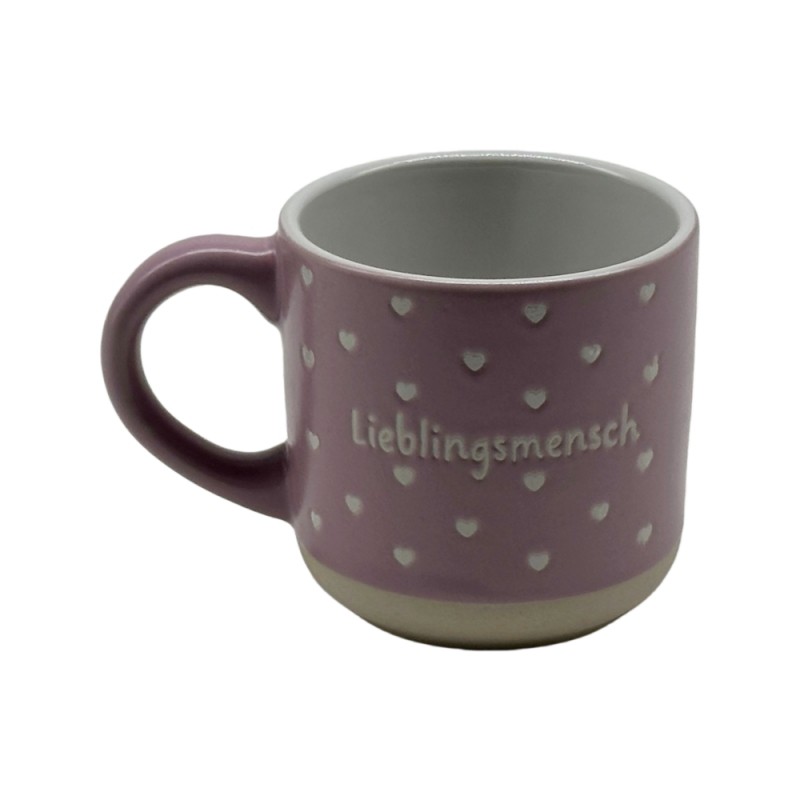
Products in this guide: Bee YOUtiful Kids Cup · Small Ceramic Gift Cup
The Industry Structure and Cycle
The promotional products industry runs on two US-based networks — PPAI (Promotional Products Association International) and ASI (Advertising Specialty Institute) — where thousands of distributors search supplier catalogs and quote programs for their end clients. The buying cycle is year-round but peaks in predictable waves:
- Q1: corporate events and trade-show seasons — branded mugs for spring conferences.
- Q2: the biggest planning wave — summer and fall corporate gifts, employee appreciation, and Q4-holiday programs are sourced now.
- Q3: holiday gift orders — the last chance for Christmas and year-end programs.
- Q4: year-end corporate gifts and next-year planning.
The lesson for factories: the distributor's orders peak when the end-client's calendar peaks, and the sourcing happens 2–3 months before the event. A factory that is ready in Q2 captures the Q4 wave.
The Platform Mechanics
Distributors source through catalogs, not conversations. To be found, a factory's offering must exist on the platforms:
- A searchable catalog: the factory's products are listed with photos, specs, MOQs and pricing tiers. Distributors search by category ("ceramic mug") and compare what appears.
- Clean product data: capacity, dimensions, weight, material and imprint area stated clearly — distributors quote from the data, and a missing spec loses the quote.
- Imprint options visible: the decoration methods available (screen print, sublimation, deboss, decal) and the imprint area and size limits, because the end client's logo determines the whole program.
- Lead times and MOQs stated: distributors work backward from the client's event date; a stated production lead time that fits their window wins, a hidden one loses.
The Product Requirements
Promotional ceramic programs run on specific product traits:
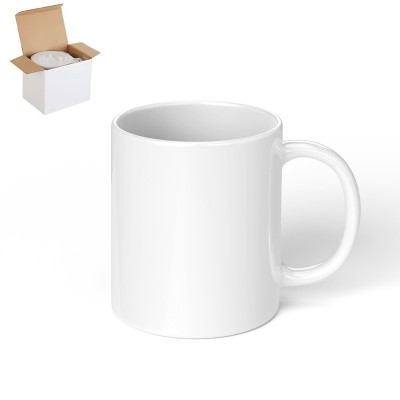
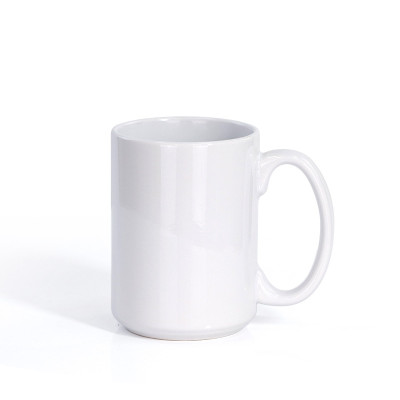
- Imprint-ready surfaces: mugs with a clean, flat imprint area in the standard sizes (11 oz, 15 oz) dominate — the logo is the product. Sublimation-coated blanks (see our sublimation guides) are the fast-growing segment because they accept full-color logos.
- Color and finish flexibility: a promotional program is often rebranded — the same mug shape in multiple glaze colors or with multiple imprint colors. A factory that offers shape + color + imprint combinations sells the distributor a program, not a product.
- Gift-box readiness: many promotional mugs are delivered as gifts — the box spec matters (see our packaging guide), and a stock gift box that fits the standard mug wins reorders.
- Compliance documentation: end clients increasingly require food-contact test reports (LFGB/FDA — see our compliance guides); the distributor needs the document per program, fast.
The Speed Rules
Speed is the currency of the promotional industry — the distributor's client has an event date, and the distributor quotes lead times, not hopes. Three rules:
- Stated, real lead times: a factory that states "10–12 days for decorated samples, 25–30 days for production" lets the distributor plan; a factory that says "we'll see" loses the quote. Publish the numbers.
- Fast sampling: promotional programs often need a quick sample for the end client's approval (see our sampling guide). A 7-day decorated sample wins; a 20-day one misses the quote deadline.
- The rush lane: distributors pay for speed — a factory with an express production lane or rush-order capability captures the emergency programs that others cannot serve.
The Promotional Checklist
Before targeting promotional-products distributors, confirm: the products are listed on the platforms with clean data (specs, MOQ, lead time, imprint options); the imprint-ready surface and size are documented per shape; the decoration methods cover the common logo needs (screen print, sublimation, deboss); the gift-box spec is ready; the compliance documents are issuable per program; and the lead times are published and real. The promotional industry is the quiet giant of B2B ceramics — it buys year-round, it reorders on proven performance, and it rewards the factories that speak its language: catalog, imprint, lead time, speed.
"Promo-Ready Ceramic Programs"
Explore products featured in this guide:

Have questions? See our Sizes & Finishes FAQ and Ordering & Certifications FAQ.
Need a custom quote? Send an inquiry or browse our full product catalog.