The New-Season Buying Cycle: How Home and Tableware Brands Sync Factories to Spring and Fall Launches
The New-Season Launch Is a Supply Question, Not a Design Question
Home and tableware brands run on two product cycles a year — the spring launch (March–April) and the fall launch (September–October). The designs are ready months before the launch; what decides whether a season sells is whether the factory delivered on time. A new-season program has a fixed public date, and unlike a retail holiday (where the window is weeks), a brand launch compounds: retailers order from the catalog, and the catalog is empty if the goods are late.
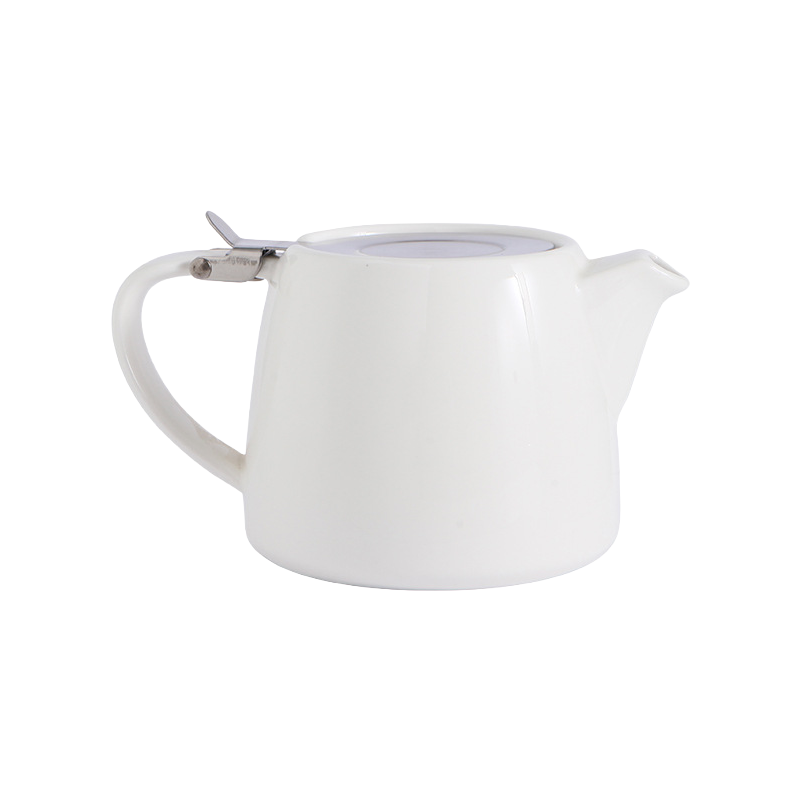
Products in this guide: Japanese Style Stoneware Teapot · Creative Porcelain Tea Set
This guide covers the new-season buying cycle for ceramic tableware brands: the two launch windows, the reverse-planned factory timeline, and the disciplines that keep a launch on schedule.
The Two Launch Windows
- Spring launch (March–April): fresh palettes, lighter glazes, outdoor and garden tableware, tea and breakfast sets. Retailers buy the spring catalog in late winter, so goods must land in January–February.
- Fall launch (September–October): deeper glazes, entertaining and dinnerware sets, holiday-adjacent pieces (without being the holiday line itself). Retailers order in summer, so goods land in July–August.
The critical difference from holiday buying: a new-season launch is a channel order — your retail customers commit to the catalog in advance — while holiday buying is a terminal sell (see our full-year buying calendar). Miss the channel order and you lose the season at the shelf level before the season starts.
The Reverse-Planned Factory Timeline
For a ceramic program, the math runs backward from the launch date:
| Milestone | Weeks before launch |
|---|---|
| Factory locked, brief sent | 26–28 weeks (6+ months) |
| Samples approved (shape + glaze + decoration) | 20–22 weeks |
| Production start (capacity reserved) | 16–18 weeks |
| Production complete, inspection passed | 8–10 weeks |
| Shipment departs (sea freight) | 6–8 weeks |
| Goods landed, warehoused | 2–4 weeks |
| Launch date | 0 |
The 6-month lead is the difference between a brand that launches on date and a brand that ships late. For a brand launching in March, the factory must be locked by September of the previous year; for a fall launch, by March.
The Three Disciplines That Keep a Launch on Schedule
1. Lock the factory before the design is final. The factory reservation is made on the program outline (shape family, quantities, decoration type), not the final artwork. Capacity is the scarce resource — the design can iterate while the kiln slot is secured. Brands that finalize first and book factories later lose the slot to brands that booked early.
2. Split the sample milestone into three gates. One combined sample approval is a risk: a glaze change at the 20-week mark costs two weeks. Split it: shape sample → glaze/color lab-dip → decorated sample. Each gate is smaller, faster and cheaper to revise.
3. Build a launch buffer into the production window. The production complete date is set 2 weeks before the "safe" date, and the safe date is 2 weeks before the shipment date. Ceramic production slips by days, not weeks — but the buffer absorbs the days without moving the launch.
The New-Season SKU Logic
A launch catalog runs on a deliberate SKU structure, not a pile of designs:
- Hero SKUs (2–3): the season's statement pieces — new shapes, new glazes, the pieces that anchor the catalog imagery and the retailer order.
- Core carryovers (5–8): proven sellers from previous seasons, reordered in updated glazes or colors to keep the line coherent.
- Seasonal additions (2–4): small-quantity items that test a trend — if they sell, they move to core next season.
The mix matters because it balances risk: the heroes carry the brand story, the carryovers guarantee sell-through, and the additions test the market cheaply.
What the Factory Needs for a Launch Program
A launch brief is different from a reorder brief. It needs: the season theme and target markets; the SKU list with quantities and the hero/carryover/add-on split; the shape references with any modifications; the glaze and decoration references (Pantone, samples, artwork); the packaging spec including the retail box and hang tag; the milestone calendar (sample gates, production, shipment); and the compliance requirements for the launch markets (LFGB/FDA per market — see our multi-market localization guide). A complete launch brief is what turns a season into a delivered program.
The Launch Checklist
Before the factory is locked for a new season, confirm: the launch dates for both windows and the reverse-planned milestones; the factory reservation with a capacity commitment, not a "best effort"; the three sample gates with dates; the SKU mix (hero/carryover/addition) with quantities; the packaging and compliance package; and the buffer in the production window. The brands that launch on time are not the ones with the best designs — they are the ones whose factory was locked six months before the catalog went out.
"New-Season-Ready Ceramic Programs"
Explore products featured in this guide:
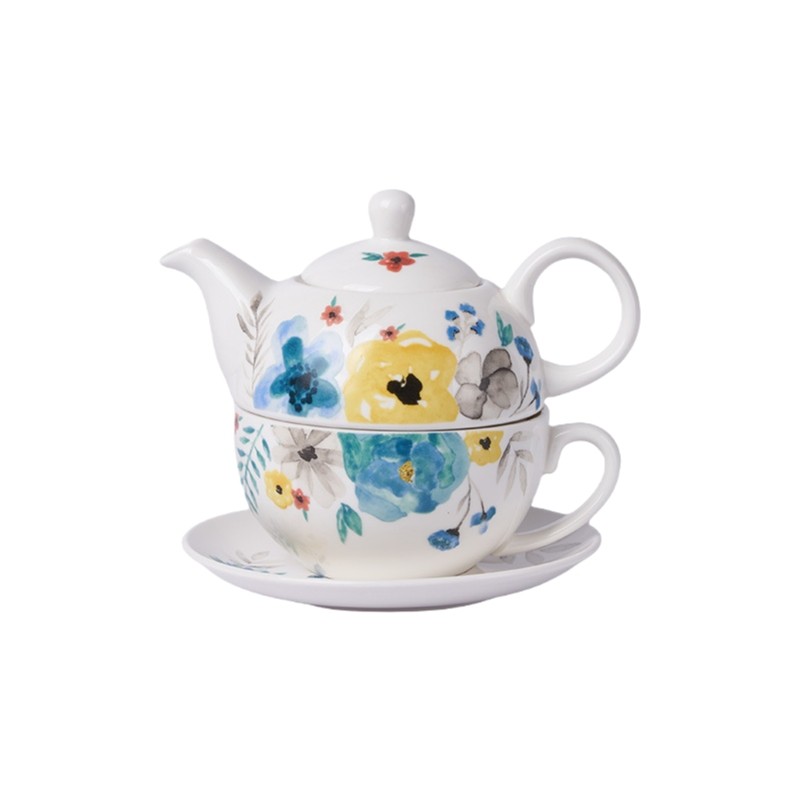
Have questions? See our Sizes & Finishes FAQ and Ordering & Certifications FAQ.
Need a custom quote? Send an inquiry or browse our full product catalog.