The Inland Leg: Where Most Delivery Promises Quietly Fail
The Problem: The Port Is Not the Destination
Ask a supplier for a delivery date and the answer usually describes arrival at a port. Ask the buyer what they need and the answer is arrival at a warehouse, a shop or a third-party fulfilment centre. Between those two answers sits the inland leg: customs clearance, terminal handling, a rail or road movement, and often a transfer between two carriers who have no relationship with each other. Most of the surprises in a ceramic shipment live in that gap — an extra week, a handling damage, or a delivery that arrives at the wrong address entirely.
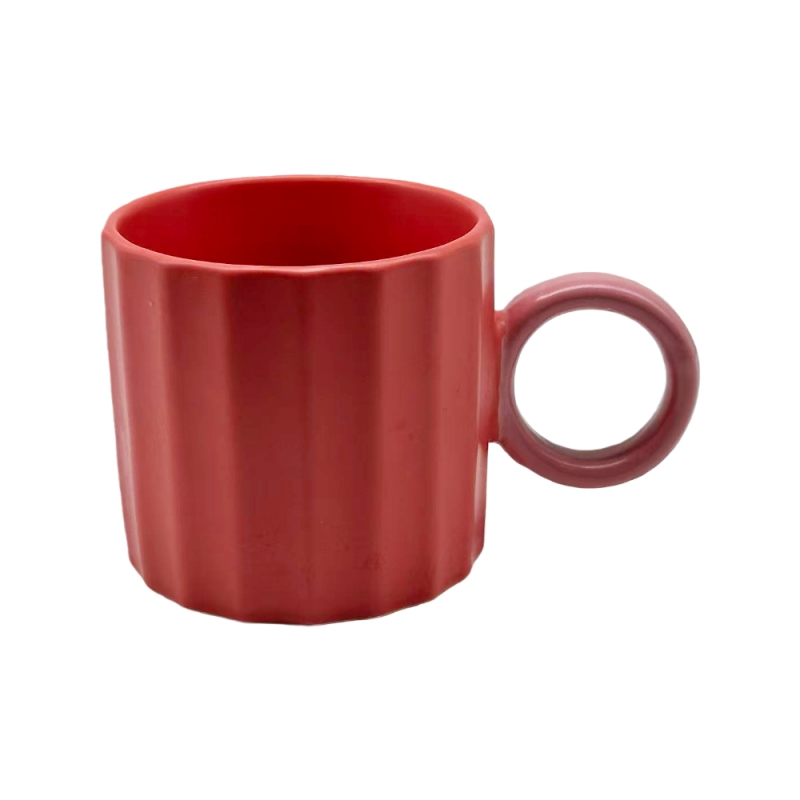
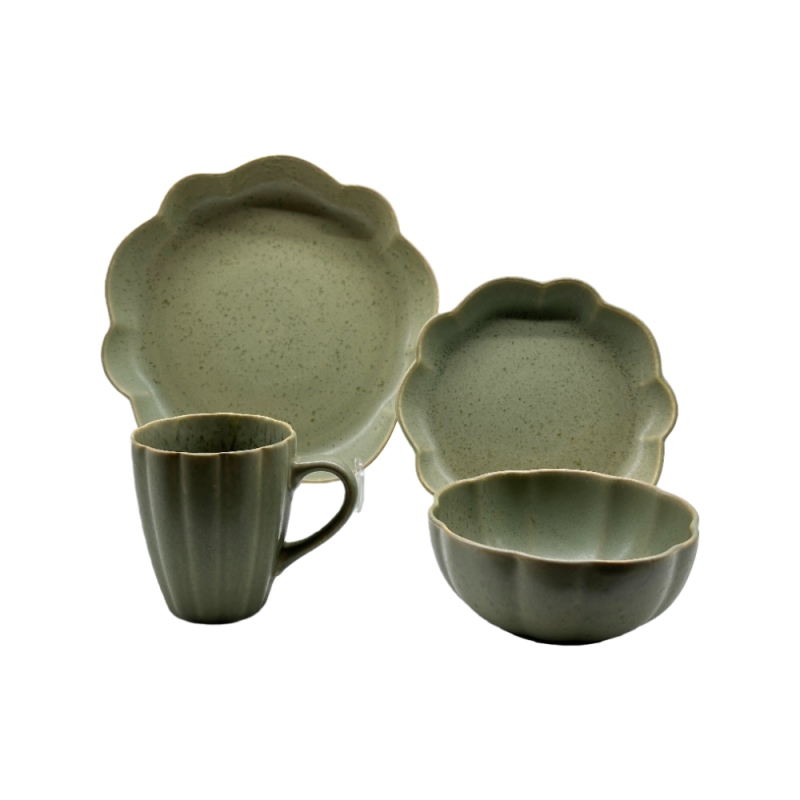
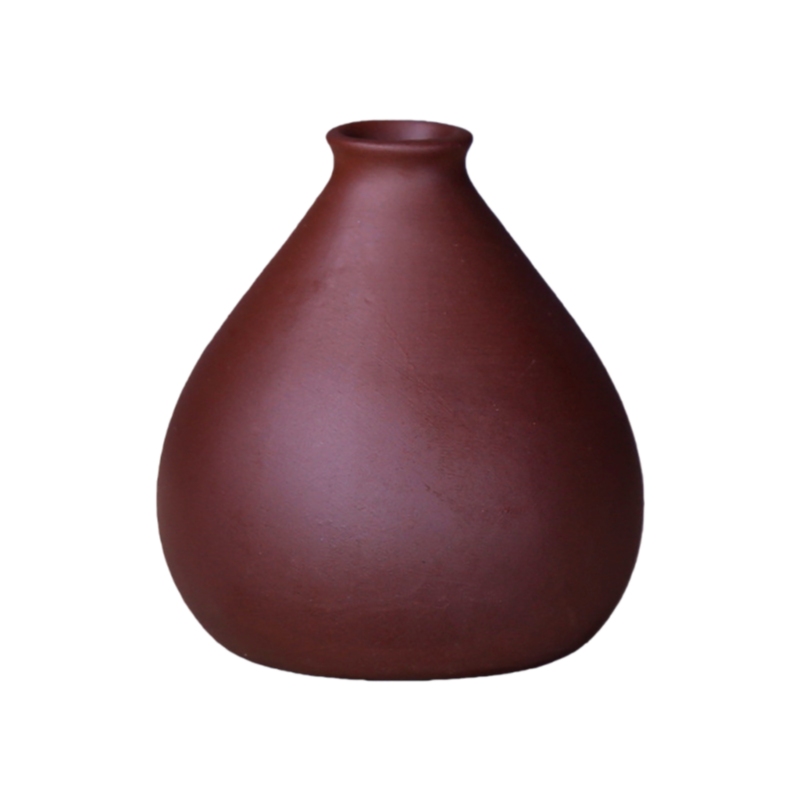
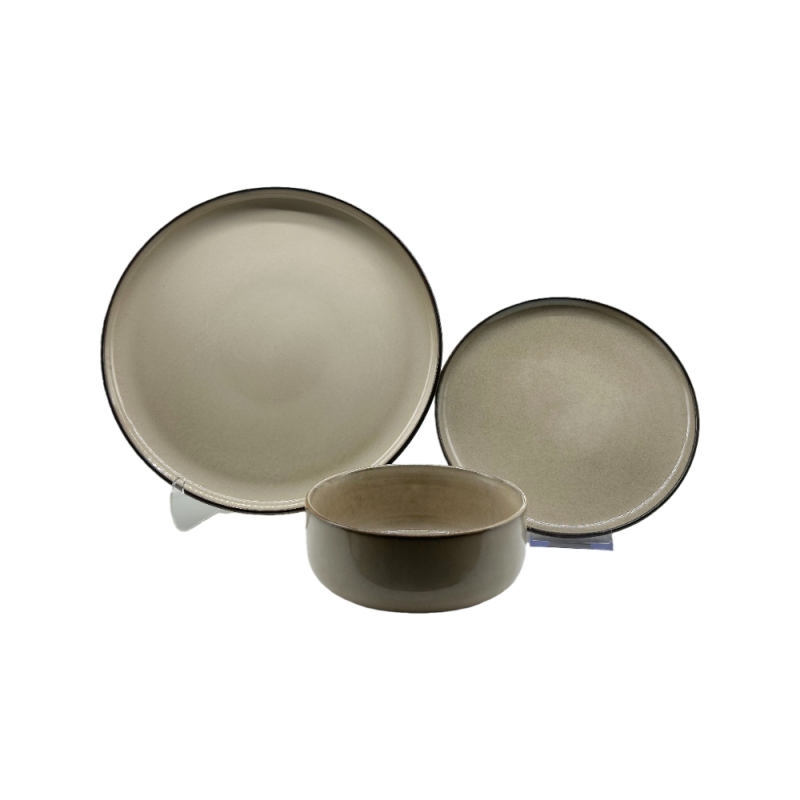
Products in this guide: Creative Ceramic Mug · Artisan Green Stoneware Tableware Set – 4 Piece Ceramic Dinnerware for Modern Home Dining
Where This Fits in the Sourcing Chain
The inland structure determines the realistic arrival date, and therefore the order date. The replenishment calendar maps the ordering windows for the whole year. It also determines packaging: a journey with three transfers needs a stronger pack than a single sea transit. The packaging guide explains how retail-ready and protective layers are specified together. The full chain follows the standard sourcing map. See the full ceramic sourcing process map.
The Combinations That Exist
Sea plus road. The default for most destinations: a container discharges, clears, and moves by truck to the destination. Simple, predictable, and the most common.
Sea plus rail plus road. Common for inland destinations in Europe, North America and increasingly Central Asia. Rail typically costs less than road over long inland distances and takes longer than air; the trade-off is real and worth quoting, not assuming.
Sea plus air. Rare but useful where a shipment must be split for a date, or where an inland destination is easier to reach by air than by either rail or road.
Air plus road. The fastest combination and the most expensive; the inland leg is usually the smaller part of the cost, so this is chosen for the date rather than for the inland economics.
What Determines the Real Arrival Date
Four variables, all of them quotable in advance. Customs clearance time at the port of entry, which is the single most variable element and the one most often assumed to be zero. Terminal and release time, which depends on the port and the period. Inland transit time, which for rail can be measured in weeks rather than days over long distances. And consolidation or deconsolidation, because a container that has to be broken down and redistributed to multiple destinations adds a stage that is easy to forget at the planning stage.
Where the Damage Happens
Handling damage concentrates in transfers: port handling, container unloading, cross-docking and final delivery. Three specification responses reduce it. A carton strong enough for multiple handlings rather than for a single sea voyage. Palletisation that survives being lifted several times, including edges that do not crush. And an inner pack that keeps the product from moving inside its carton — most transit damage in ceramics is not a crushed box but movement inside an intact one.
The Question of Who Owns the Risk
Incoterms allocate cost and risk, but they do not remove ambiguity in practice. The practical position for both parties is to agree which leg is measured against which date: for example, supplier responsible to port of loading, buyer responsible for clearance and inland, with an agreed number of days for each and a named party accountable for the handover. Written down in one paragraph at order stage, that arrangement prevents most of the arguments that otherwise arrive with the goods.
What to Ask For
Four items, every time: the estimated transit time for each leg separately, not a single door-to-door figure; the name of the party handling clearance; the transfer count, because each transfer is a damage risk and a delay risk; and the delivery address and receiving hours, since a delivery that arrives when nobody can receive it becomes a re-delivery charge and another handling cycle.
The Habit That Ties It Together
The habit is to quote the last kilometre as carefully as the first. Programs that do this give dates they can keep, and their customers stop discovering the inland leg for themselves.
Related Products
Explore products featured in this guide:
Have questions? See our Sizes & Finishes FAQ and Ordering & Certifications FAQ.
Need a custom quote? Send an inquiry or browse our full product catalog.