The Glaze Science Behind the Surface: What Buyers Should Know Before Approving a Color
The Glass Layer That Makes the Surface
The glaze is a layer of glass fused onto the clay body in the kiln - it seals the surface, carries the color and the finish, and it is the part of the ceramic the customer actually touches and sees. For the buyer, the glaze is where the color approval happens (see our color-control guide for the lab-dip process), where most batch complaints start, and where a little science goes a long way: knowing what glaze is made of, how firing changes it and why defects happen turns a color complaint into a root-cause conversation. This guide covers the composition, the firing variables and the common defects.
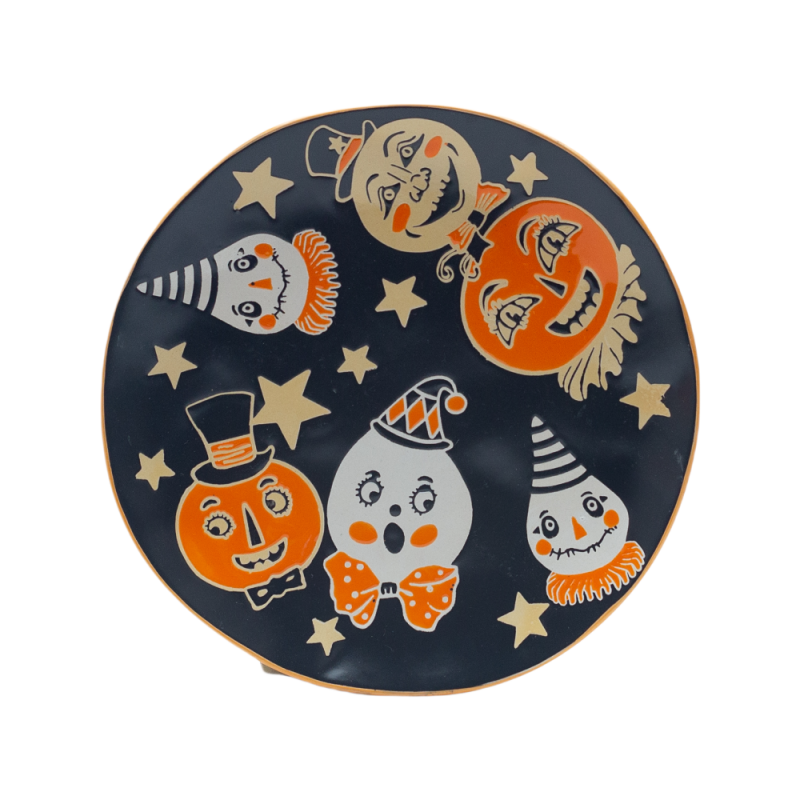
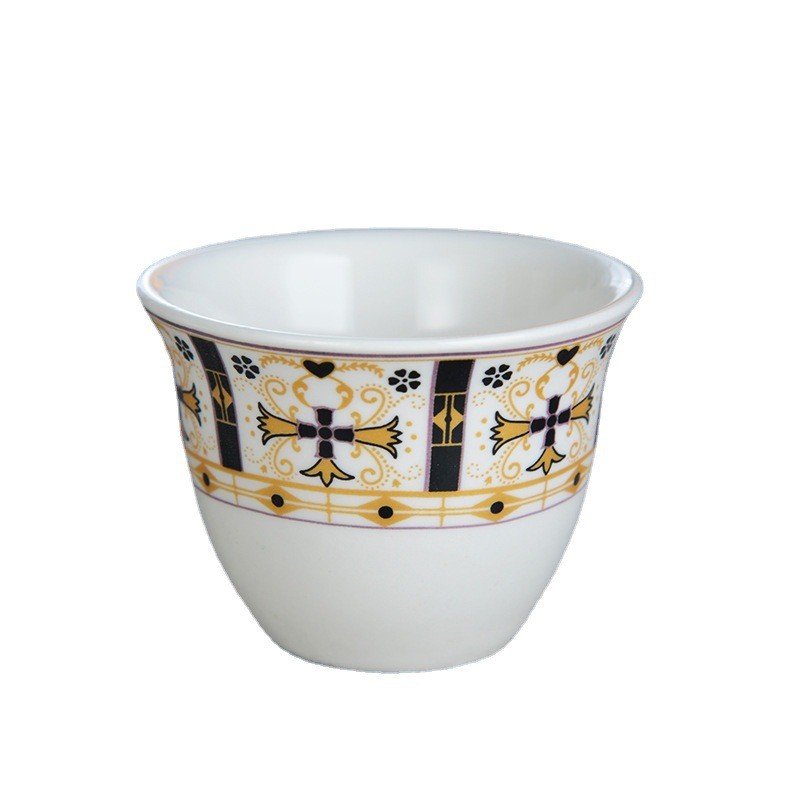
Products in this guide: Whimsical Halloween Ceramic Plates · Decorative Espresso Coffee Cup
What Glaze Is Made Of
A glaze is a recipe of three families of ingredients. The glass-formers - silica - create the glass network. The fluxes - feldspar, and in many formulations a small share of lead or other metals, though food-contact glazes today are lead-free and cadmium-free under the market standards (see our test-report guide for the compliance side) - lower the melting point so the glaze flows in the kiln. And the stabilizers and colorants - alumina for the body fit, plus the metal oxides that produce the color: cobalt for blue, iron for the browns and greens, copper for the greens and the turquoise, manganese for the purples, chromium for the reds and pinks. The same color name can be made from different recipes, and different recipes fire differently - which is why the lab dip is the arbiter, not the color name (see our color-control guide).
How Firing Changes the Glaze
The firing variables decide what the recipe becomes. The temperature profile matters twice: the top temperature and the soak - a glaze fired five degrees hotter can flow differently, and a kiln that soaks longer can shift the color. The atmosphere matters too: an oxidation firing (oxygen present) gives the clean, predictable colors; a reduction firing (oxygen starved) gives the deep, varied effects behind the kiln-varied and reactive glazes (see our kiln and craftsmanship guides). And the cooling rate decides the surface character - a slow cool can allow crystal growth (the crystalline glazes) while a fast cool locks the glass as fired. The practical rule for buyers: the factory's firing discipline is the single biggest consistency variable between the approved lab dip and the production batch (see our kiln guide for the firing side and our color-control guide for the acceptance rules).
Why Glaze Defects Happen
The common defects have known causes. Pinholes and craters: gas bubbles escaping during firing - from the body, the glaze or an over-fast firing, and more common on colored and matte glazes. Crawling: the glaze pulling away from the body - usually a contamination or a surface-tension mismatch between the glaze and the bisque. Blisters and bubbles: trapped gas, often from a glaze applied too thick or a body that out-gasses. And crazing: the fine crackle in the glaze - a thermal-expansion mismatch between the glaze and the body, common when the body and the glaze are not matched (see our defect-guide for the full identification set). The rule: each defect has a cause, each cause has a fix in the factory, and the buyer who names the defect accurately gets the fix instead of the argument.
Using the Glaze Knowledge
The knowledge converts into three practical moves. First, at the color approval: specify the finish (matte, gloss, reactive) and the tolerance in the lab-dip approval, and treat the approved dip as the production reference (see our color-control guide). Second, at the batch review: when a surface complaint arrives, identify the defect class before blaming the supplier - a crazing complaint is a body-glaze fit question, not a color question. And third, at the program design: match the glaze ambition to the tolerance the market accepts - a matte reactive program can embrace variation, a chain program needs the tightest control (see our color-and-glaze trend guide for the market side). The buyers who know the glaze science are the buyers who approve colors that reproduce, and batches that arrive as approved.
"Glaze-Focused Ceramic Products"
Explore products featured in this guide:
Have questions? See our Sizes & Finishes FAQ and Ordering & Certifications FAQ.
Need a custom quote? Send an inquiry or browse our full product catalog.