
The Gasket: The Smallest Part That Decides Whether a Lid Works
The Part Nobody Specifies
Buyers spend their attention on shape, decoration and price, then accept whatever gasket comes with the lid. Yet the gasket touches the drink directly, is the first component to fail, and is the single reason most lids leak in month three.
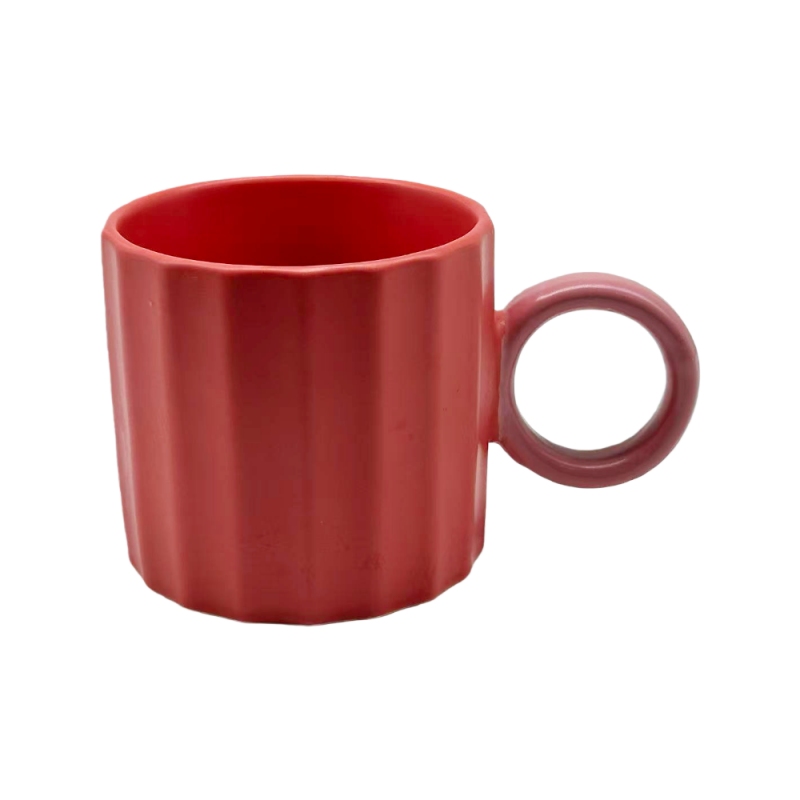
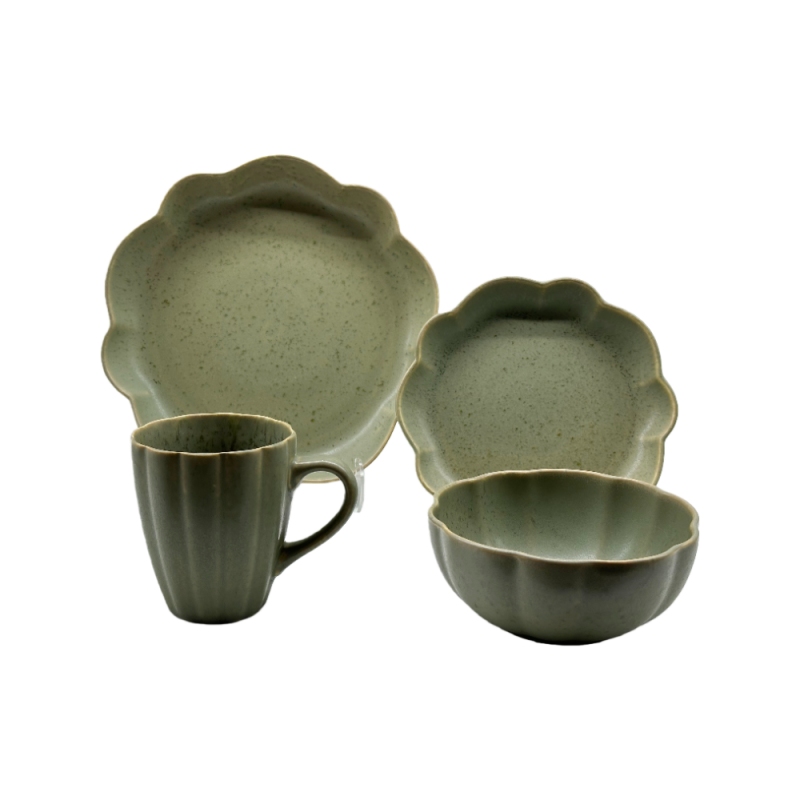
Products in this guide: Creative Ceramic Mug · Artisan Green Stoneware Tableware Set – 4 Piece Ceramic Dinnerware for Modern Home Dining
A gasket is a specification item like any other, and it takes four lines to define properly.
What the Gasket Actually Does
Three jobs, in order of how often they are overlooked:
- Seal. It fills the gap between lid and rim, and does so across the ovality tolerance of the rim.
- Hold. Friction against the rim is often what keeps a push-in lid in place — much more than the lid's own fit.
- Protect. It absorbs the contact between lid and rim, so the glaze does not chip against a hard edge in transit.
The Materials, and Where Each Fits
- Silicone is the standard for food-contact lids. It tolerates hot liquids and dishwasher cycles, does not harden quickly, and is available in food-contact grades with documentation. The cost is higher than the alternatives.
- TPE / TPR — a thermoplastic elastomer. Cheaper and easy to mould into complex shapes, but it softens at lower temperatures and can deform permanently after repeated hot cycles.
- EVA or foam — light duty, often seen on cold-cup lids. Poor heat resistance and short life.
- Cork or natural materials — attractive, and acceptable for dry or ambient use. Difficult to clean hygienically where liquids sit against them, and inconsistent in thickness.
Where the lid will meet near-boiling liquid, the honest answer is silicone or nothing.
The Four Specifications That Matter
- Material grade, named. Not "food-grade silicone" as a phrase, but the grade and a food-contact declaration covering the intended use. The gasket is in contact with the beverage, so it carries the same compliance weight as the glaze.
- Hardness, in Shore A. Softer compounds seal at lower force and are more forgiving of rim ovality, but wear faster and can extrude from the groove. Harder compounds last longer and need more force to seat. Choose against how the lid will be used, not by feel in a meeting.
- Heat resistance. State the maximum temperature the gasket will see in service and in the dishwasher. This is where TPE quietly fails and silicone earns its price.
- Retention. How the gasket is held in the lid: a captive groove, a stretched fit, or a glued seat. A gasket that pops out during washing is a design failure, not a material one.
The Failure Modes to Specify Against
- Hardening and cracking — the classic end of life. Ask for the material's heat-ageing performance rather than a claim.
- Odour and taste transfer. A poor compound absorbs what it seals against. The test is simple: seal hot water, wait, then taste the water.
- Mould in the groove. Where a lid traps moisture against a gasket, black spotting appears. This is a cleaning-design problem: removable gaskets survive, captive ones need a groove that can be rinsed.
- Colour migration. Dark gaskets can transfer colour to a light glaze over time, especially in heat. Check the compound's colour fastness where the gasket meets the rim.
- Deformation set. A gasket that takes a permanent flat after a dishwasher cycle will leak within weeks.
What the Sample Approval Should Cover
- The material grade and a food-contact declaration covering hot liquids.
- A hardness range in Shore A.
- A maximum service temperature, including the wash cycle.
- The retention method, and a statement that the gasket does not come out in a dishwasher.
- A taste-and-odour check on hot water as part of sample approval.
- Spare gaskets or replacement availability, because a lid with an unavailable gasket becomes waste.
For the surrounding decisions, see <a href="https://www.storiwareceramicmugs.com/oid1757203/The-Custom-Mug-Programme-Buyer-Guides-by-Decision.htm">the custom mug programme guides</a>, which cover the accessory questions, and the <a href="https://www.storiwareceramicmugs.com/oid1757096/Ceramic-Quality-Inspection-Hub-AQL-Defects-Testing.htm">quality and inspection hub</a> for how components are sampled. Our <a href="https://www.storiwareceramicmugs.com/products2147420/Custom-Ceramic-Mugs-Cups.htm">ceramic mugs and cups</a> range is quoted with the lid and gasket specified separately, and the <a href="https://www.storiwareceramicmugs.com/oid1756307/Custom-Ceramic-Mugs-Bulk-Order-Factory-Direct-from-China.htm">bulk order programme</a> explains how accessories are approved alongside the mug. To specify a lid and gasket for a range, <a href="/contact-us.htm">send the drink type, the wash regime and the transport conditions</a>.
The spec freeze guide explains how artwork and packing files are locked between orders.
What to Put in the Order
- Grade and declaration, not a generic phrase.
- Shore A range, chosen against the lid's use.
- Maximum temperature, including dishwashing.
- Retention geometry, so the gasket stays in the lid.
- A hot-water taste and odour check during approval.
- Replacement gaskets, so the product has a second life.
The packaging guide explains how retail-ready and protective layers are specified together.
The Habit That Ties It Together
The habit is to specify the gasket before the lid. The lid is what the customer sees; the gasket is what the customer experiences.
Related Products
Explore products featured in this guide:
Have questions? See our Sizes & Finishes FAQ and Ordering & Certifications FAQ.
Need a custom quote? Send an inquiry or browse our full product catalog.

