The Coffee Cup Sourcing Map: Choosing the Right Mug Category for Your Program
The Mug Is Not One Category
Coffee cups look like one product line, but for a buyer they are five different categories with different markets, specs and sourcing logic. Treating them as one SKU plan is how programs end up with the wrong wall thickness, the wrong volume or a lid that does not fit. This guide maps the five categories, what matters in each, and the decision tree a big buyer can run before quoting a single cup.
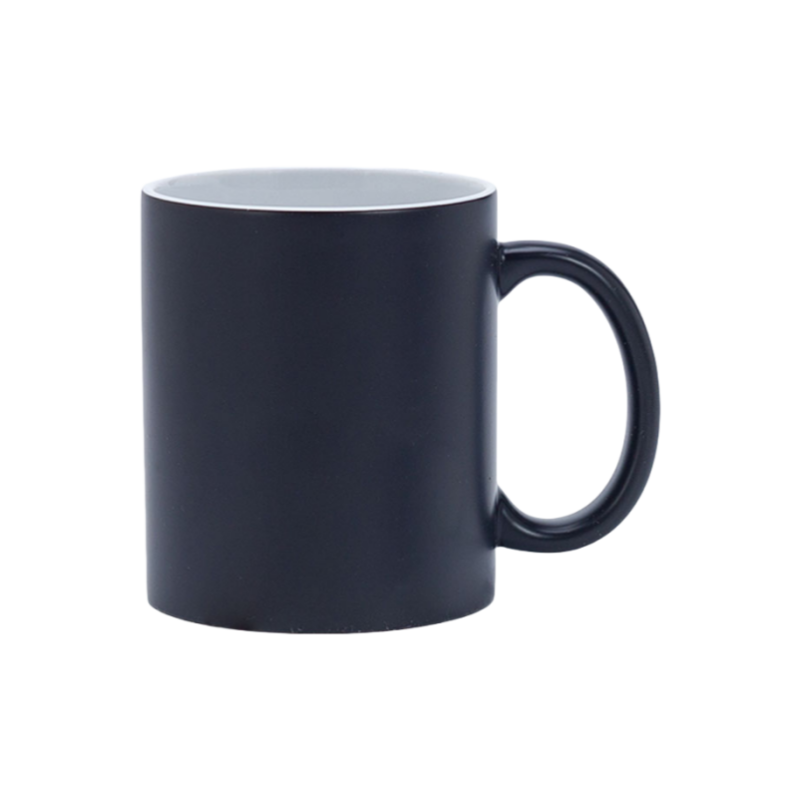
Products in this guide: Reactive Glaze Ceramic Mug 390-400ml · 11oz Sublimation Magic Mug
Category 1: The 11oz Blank Mug
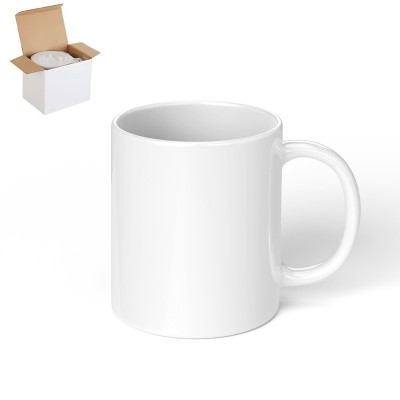
The workhorse. The 11oz straight-walled white mug is the promotional, hospitality and print-ready default — it dominates giveaway programs, hotel room supplies and any order where the mug will be decorated later. The specs that matter: 11oz capacity with a straight profile for even printing, a wide rim for sublimation or screen printing, and a glaze that accepts ink without fisheye. The sourcing logic: this is the volume category, so it is where price, stacking, and consistent firing color are negotiated hardest.
Category 2: The 15oz and 18oz Travel Mug
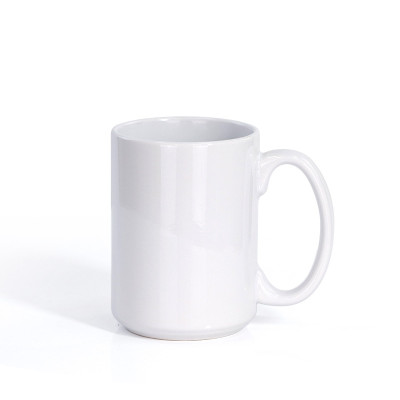
The out-of-home trend made the bigger mug a staple. Large flat whites and takeaway culture pushed the 15oz and 18oz sizes from novelty to core line. The specs that matter: wall thickness (it must hold heat without becoming too heavy), handle size (it must fit a gloved or commuting hand), and rim diameter — the critical dimension if the mug shares a lid system. The sourcing logic: test the lid fit in the sample stage, because a lid mismatch is a line-item failure that no reorder can quietly fix.
Category 3: The 8oz Espresso Cup
The professional category. Cafes, specialty coffee and hotel room bars need the 8oz (or 6oz) cup with saucer, and here form follows function: a thick wall retains the crema-friendly heat, a tulip or round base keeps the shot warmer, and the saucer diameter must match the cup foot. The specs that matter: cup-to-saucer pairing, thermal performance, and the stackability of both pieces. The sourcing logic: this is a pairing purchase — the cup and saucer must be fired and shipped as matched sets, so set-level QC and packaging are the negotiation points.
Category 4: The 20oz+ Cold Cup
Iced coffee, cold brew and large cold drinks made the oversized cup a separate category. The specs that matter: thick walls to slow condensation (a sweating mug ruins a countertop), a stable base for ice weight, and often a wider mouth for straws and lids. The sourcing logic: cold cups sell on durability and finish more than on decoration — glaze defects that would pass on a hot cup get flagged on a 20oz cold cup.
Category 5: The Custom and Decorated Mug
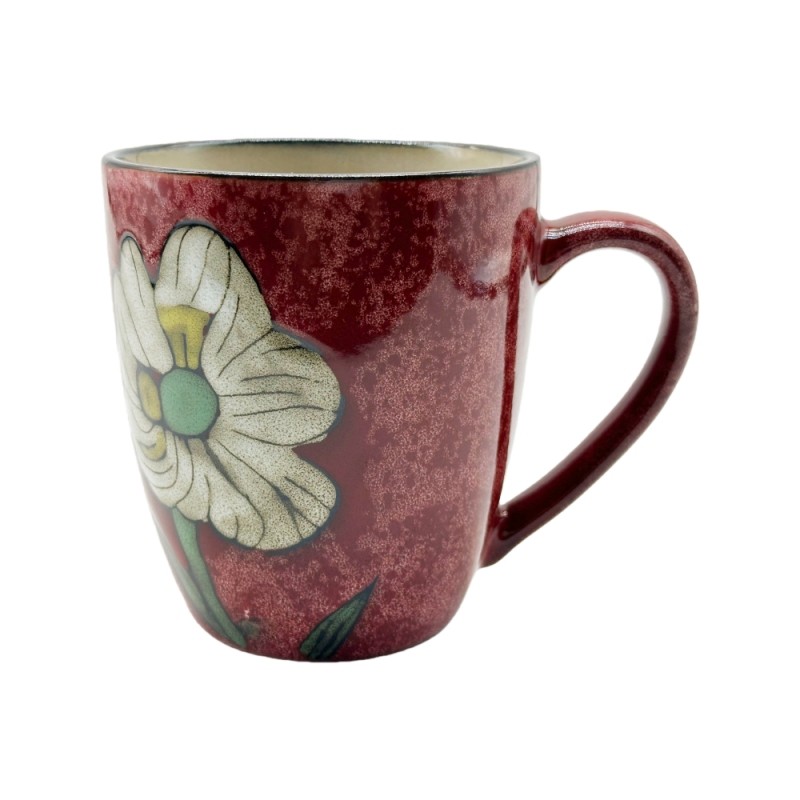
The brand category. This is where a program stops buying stock and starts buying identity: a reactive glaze finish, a decal, a debossed logo or a fully custom shape. The specs that matter: glaze consistency across batches (see our color guide), decoration registration, and the mold investment if the shape is new. The sourcing logic: custom work moves the conversation from price per piece to the development process — sample gates, glaze dips and the mold timeline (see our sampling guide).
The Coffee Cup Decision Tree
Before building the SKU plan, run each potential product through four questions:
- Who buys it? Promotional and print buyers live in Category 1; coffee chains and specialty live in 2 and 3; cold-beverage programs live in 4; brand owners live in 5.
- Will it be decorated? If yes, the mug needs the print-ready profile and the factory needs the decoration capability — this decides Category 1 vs 5.
- Does it need a matching piece? Saucer, lid or set — every paired item changes the QC and packaging scope.
- What is the volume and repeat pattern? Running items belong in 1 and 2 where price and consistency are fought for; seasonal and promotional items can tolerate more variety in 3 to 5.
The Sourcing Logic
Two rules keep a coffee cup program healthy. First, plan SKUs by category, not by customer — a 15oz order for one client and an 11oz order for another are two different products with different specs, and mixing them in one production run invites errors. Second, sample with the end use in mind: bring the lid, test the heat, check the saucer — the sample stage is where category mistakes are cheapest to catch. When the category is right, the negotiation becomes mechanical: volume pricing for 1 and 2, pairing QC for 3, durability claims for 4, and development process for 5. If you are building or expanding a coffee cup line, map the categories first — the right mix is worth more than the best price on the wrong cup.
"Coffee Cup Programs That Sell"
Explore products featured in this guide:
Have questions? See our Sizes & Finishes FAQ and Ordering & Certifications FAQ.
Need a custom quote? Send an inquiry or browse our full product catalog.