The Ceramic Defect Field Guide: Recognizing Pinholes, Warping, Crazing and More at Inspection
The Inspection Is a Language
Every defect has a name, a cause and a signal - and the buyer who can read the defects reads the factory's process behind them (see our factory-QC guide for the gates that should catch the defects first, and our defect-attribution guide for the root-cause methodology). This field guide covers the defects the buyer sees most often at inspection - the pinholes, the warpage, the deformation, the crazing, the blisters, the crawling and the shivering - what each one looks like, what it signals and where it comes from in the process (see our forming, glaze-science and kiln guides for the process context).
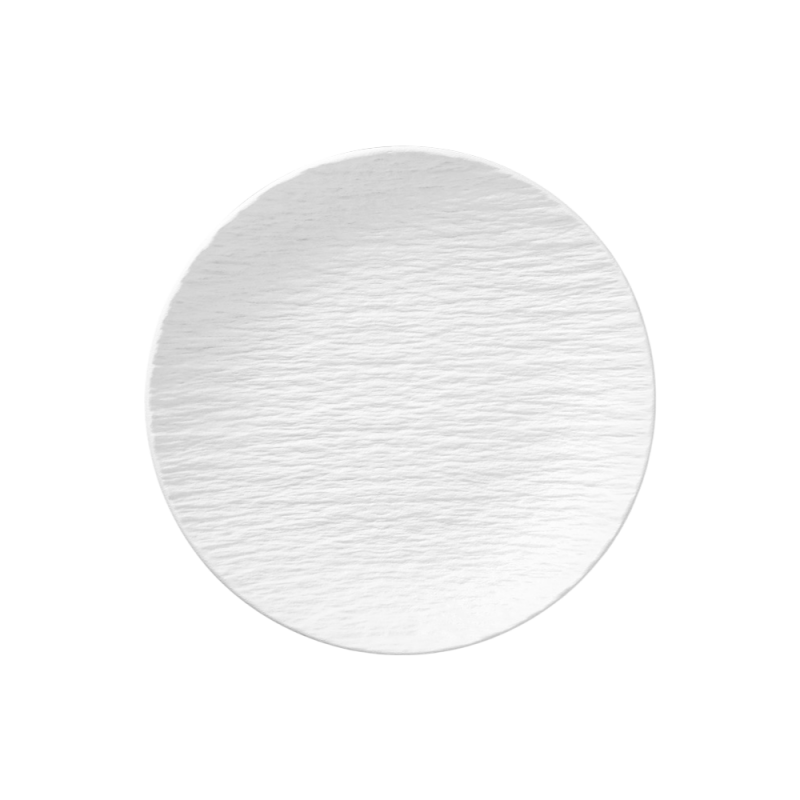
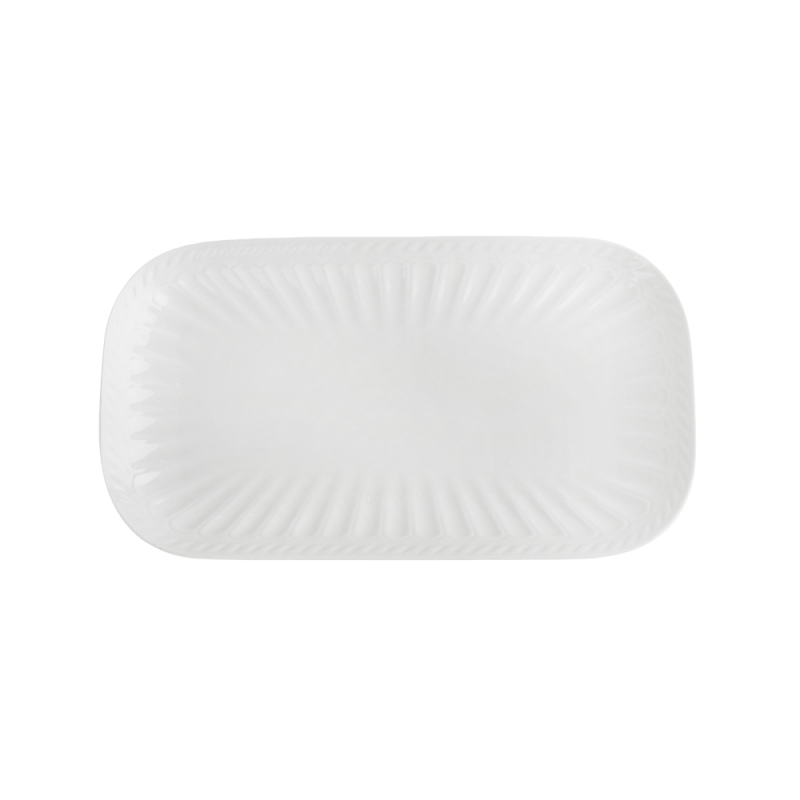
Products in this guide: White Stoneware Ceramic Salad Plates · White Ceramic Sushi Plate
Pinholes: The Tiny Holes in the Surface
Pinholes are the small, pin-sized holes in the glaze surface - they look like tiny craters or pinpricks, often scattered in patches rather than evenly. They come from the gases escaping through the glaze during the firing: the air trapped in the body, the impurities that burn out, or the glaze that was applied too thick and trapped the gas (see our glaze-science guide for the mechanism). The signal: pinholes in the low-fire or the fast-fire lines often trace to the glaze chemistry or the firing schedule, and they matter for the functional pieces - the food-contact surfaces and the pieces that must be easy to clean, because the holes collect the residue. At inspection: look at the surface under the raking light, check the food-contact areas, and count the density - the occasional pinprick is common, the patchy pinhole field is a process problem.
Warpage and Deformation: The Shape That Left the Spec
Warpage is the piece that is no longer flat - the plate that rocks on the table, the rim that waves, the mug that no longer stands square (see our chain-standard guide for the tolerance language that defines "no longer"). Deformation is the bigger cousin - the collapsed rim, the twisted handle, the shape that visibly left the drawing. Both come from the same family of causes: the uneven drying, the uneven clay thickness, the mold-wear that thinned a wall (see our mold-engineering guide), or the kiln loading that let the piece sag in the fire (see our kiln guide for the load discipline). The signal: warpage is the most common field defect on the large flat pieces - the plates and the platters - and the tolerance decides the grade: the spec says how much rock the plate may show, and the inspection measures against it (see our grading guide for the levels).
Crazing: The Fine Crackle Web
Crazing is the fine network of cracks in the glaze - the hairline web that can look like a spider's pattern, often more visible after the thermal cycles, and it appears when the glaze and the body expand at different rates (see our glaze-science guide for the thermal-mismatch mechanism). The signal: crazing is the classic glaze-body compatibility issue, and it matters in two places - the aesthetic programs where the smooth surface is the spec, and the food-safety programs where the cracked glaze can hold the residue and the buyer's market may ask questions (see our certification guide for the market requirements). At inspection: check the glaze surface closely - the crazing is easy to miss in the low light - and ask the factory which glaze-body combination the piece runs, because the fix lives in the recipe, not in the finished piece.
Blisters, Crawling and Shivering
The less common defects complete the set. Blisters are the raised bubbles in the glaze - larger than the pinholes and often breaking open to leave the crater - and they trace to the gas trapped during the firing, the same family as the pinholes but with more energy (see our kiln guide for the temperature-profile effect). Crawling is the glaze that pulled away from the body in patches, leaving the bare body exposed - the glaze that did not wet the surface, often from the contamination or the glaze applied over the dusty bisque. And shivering is the opposite of the crazing - the glaze that flakes off the body in the fine chips, the glaze that is under too much compression. The signal for the buyer: these three are the rarer defects, and when they appear in a batch, they are the loud signals - the process event (the contaminated batch, the firing interruption, the glaze-formula change) that the factory should be able to trace (see our defect-attribution guide for the trace methodology).
From Recognition to Decision
The field guide is only the first step - the recognition must end in the decision. Sort the defects by the severity and the location: the cosmetic defects on the hidden surfaces (the base, the inside of the foot ring) may grade down but still ship, while the structural defects (the warpage over the tolerance, the crazing on the food surface) reject or regrade (see our grading guide for the level rules). Count the defect rate against the acceptance criteria in your contract - the AQL or the agreed percentage - and record what you see: the photos, the counts, the defect names, because the record is the evidence if the batch goes to the claim (see our claim-guide for the documentation). And feed the defect pattern back to the factory - the pattern of the pinholes or the warpage is the process diagnosis, and the factory that reads the pattern with you fixes the cause instead of arguing the piece (see our inspection-guide for the joint review). The buyers who read the defects read the factory - and they turn the inspection from a pass-fail moment into the process conversation that protects the next batch.
"Defect-Checked Ceramic Products"
Explore products featured in this guide:
Have questions? See our Sizes & Finishes FAQ and Ordering & Certifications FAQ.
Need a custom quote? Send an inquiry or browse our full product catalog.