
The Buyer's Factory Audit: A Four-Station Walkthrough Before the First Order
The Visit That Decides the Relationship
Third-party inspection reports tell you if a batch is good (see our inspection guide); a factory visit tells you if the factory can keep being good. For a first order from a new factory — or a major new program from an existing one — the audit visit is the highest-value hour of the relationship. This guide covers the desktop pre-check that makes the visit count, the four-station walkthrough that reveals the factory's real state, and the post-visit decision list.
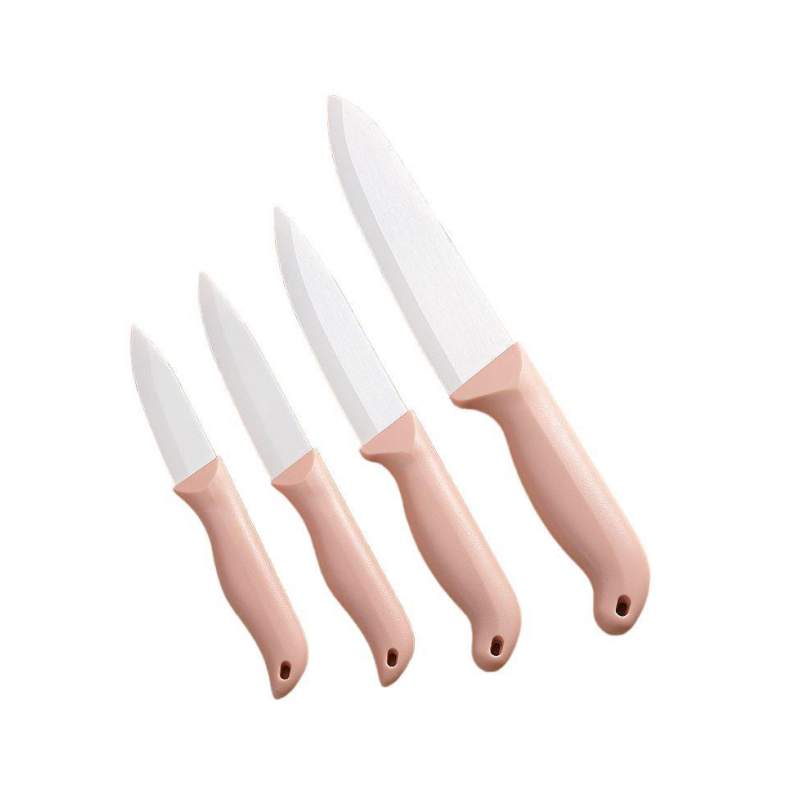
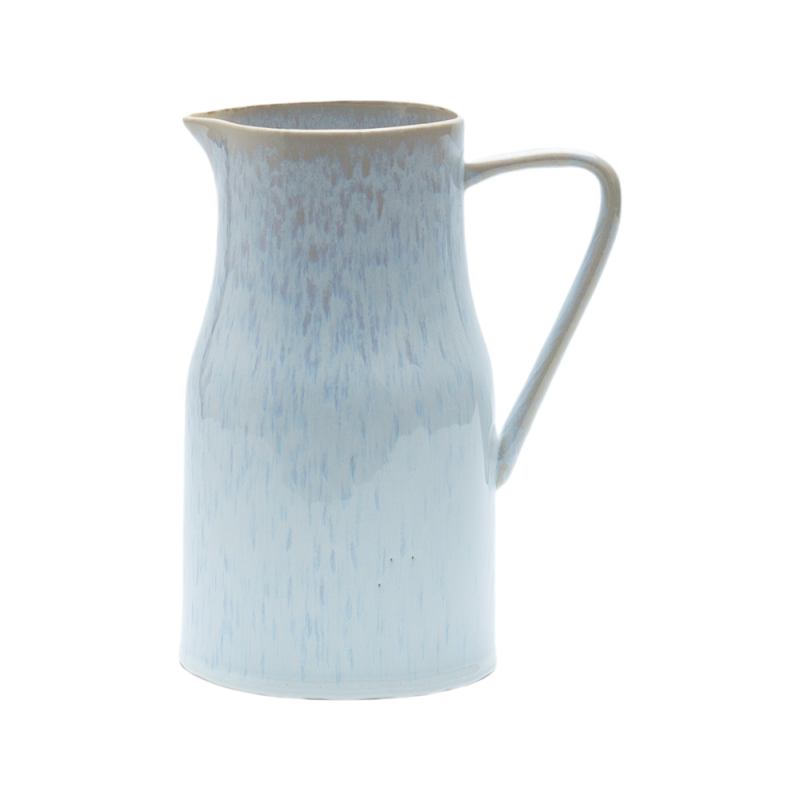
Products in this guide: Ceramic Kitchen Knife Set · Handcrafted Reactive Glaze Ceramic Pitcher
Step 1: The Desktop Pre-Check
Before booking the flight, verify what can be verified remotely: the business license and the factory's registered name match the entity you are dealing with; the certifications (LFGB, FDA, BSCI — see our ESG and test-report guides) are current and issued to this entity; and the capacity claims are consistent — a factory claiming 5 million pieces a year should have the headcount, kilns and warehouse to show for it. The pre-check turns the visit from a discovery tour into a verification tour: you arrive knowing what to check.
Step 2: The Four-Station Walkthrough
Walk the factory in the production order — clay to finished goods — and watch four stations specifically:
- The kiln station: the heart of the factory. Check the kiln count and size against the capacity claim, ask about firing temperature and cycle time, and look at the firing schedule — a kiln that is actually running is a factory that is actually producing. Kiln capacity is the ceiling of everything else (see our capability guide).
- The glaze and decorating station: glaze is where color consistency lives (see our color guide). Check the glaze mixing and storage, the decorating line (printing, decal, hand-painting), and whether the samples you were sent match the current production process.
- The quality-control station: the real QC layout tells the story. Check the inspection points (green ware, bisque, fired, packed), the AQL practice, and the records — a factory that keeps inspection records is a factory that manages quality; one that does not is gambling on it.
- The warehouse: finished-goods storage reveals planning. Check how stock is organized, whether packed cartons carry batch markings (see our GPSR and traceability angle), and how much finished inventory is sitting — too much suggests over-production, too little suggests the factory is running hot.
Step 3: The Walk-Behind Questions
As you walk, ask the questions that documents cannot answer: how do they handle a delayed glaze material? What happened the last time a customer complained? Who is responsible if a batch fails inspection? The answers — concrete or vague — tell you more than the certificates. Also note the communication signals: who walks you (owner or sales), how questions are answered (direct or evasive), and whether the factory shows problems honestly or hides them.
The Post-Visit Decision List
After the visit, score the factory against four dimensions before the first order: capacity truth (does the kiln park match the claims?); process discipline (are the QC records real?); problem transparency (were issues shown or hidden?); and communication (can this factory actually work as a partner?). The rule: the visit either confirms the pre-check or contradicts it — and a contradiction is the most valuable finding of all, because it tells you the paperwork was better than the factory. The buyers who audit well are the ones who never learn the factory's real state from a failed batch.
"Audit-Ready Ceramic Programs"
Explore products featured in this guide:
Have questions? See our Sizes & Finishes FAQ and Ordering & Certifications FAQ.
Need a custom quote? Send an inquiry or browse our full product catalog.