
The Brief: Turning a Design Idea into Something a Factory Can Build
A factory produces a sample that is wrong, and the conversation turns to capability. In most cases the factory built exactly what it was asked for. The brief was simply not specific enough to require the right thing.
Products in this guide: Reactive Glaze Stoneware Plate · Boho Style Hand-Painted Ceramic Dinnerware Set
A brief is not a mood board and it is not a purchase order. It is the document that converts an intention into a set of decisions a production team can execute without asking questions. If questions remain, they will be answered by assumption.
The seven parts of a workable brief
One: the object and its use. What the piece is, and where it will be used. A mug for an office kitchen and a mug for a hotel breakfast tray have different requirements for weight, rim, and base, and those differences are not visible in a photograph.
Two: the quantity and the structure of the order. Total units, number of designs, and whether the design is one artwork across the range or one per variant. This determines tooling, packing, and the production structure.
Three: the form. Capacity in millilitres, height, rim diameter, base diameter, and weight. If a shape is being matched to an existing product, a physical reference is worth more than any drawing.
Four: the body and surface. Body type and colour, glaze finish — gloss, matte, satin — and the intended surface behaviour: whether it should feel smooth, slightly textured, or deliberately uneven.
Five: the decoration. Position, size, colour references, and the method if it is known. The method matters because underglaze, in-glaze, and on-glaze behave differently in a dishwasher and cost differently.
Six: packing and labelling. Inner packing type, carton configuration, units per carton, marking requirements, and any retail or distribution requirement that constrains the box.
Seven: compliance and destination. Market, any food-contact documentation required, care-labelling rules, and any warning text that must appear. These are frequently discovered late, and late discovery is expensive.
How to supply the artwork
Three formats, in descending order of usefulness.
A vector file for anything with edges — logos, type, line illustration. It scales to any decoration size without loss.
A physical reference for anything about colour, surface, or feel. A fired tile, a previous mug, a Pantone chip. Screens lie, and printers vary.
A reference image for mood and direction only. A photograph of a similar product communicates intent, not specification. It should be labelled as a reference, or it will be treated as a target.
The most common artwork failure is a low-resolution raster file sent for a screen-print job, where the supplier either converts it approximately or asks for a better file after the sample has been made.
The master sample guide explains how sealed references keep batches identical.
The six numbers that must always be stated
Capacity. Height. Rim diameter. Weight. Fired colour reference. Carton count.
These six appear in almost every dispute about a sample being wrong. They are also the six that buyers most often assume are obvious, because they are obvious when you are holding the piece and not when you are reading a document.
Two rules make them usable. First, state the measurement method for weight and capacity, since there is more than one way to measure both. Second, state a tolerance alongside the number, because a factory cannot hold an exact figure through firing.
The spec freeze guide explains how artwork and packing files are locked between orders.
The five most common omissions
Where the decoration sits relative to the handle. A design centred on the front is not centred once the handle is added. State the distance from the handle, or supply a template marked with the wrap position.
Whether the piece is expected to stack. Stacking changes the foot ring and the rim profile. Buyers assume it, factories do not unless told.
What the piece must not do. No metallic decoration if it is going into a microwave. No gold rim if it must survive a commercial dishwasher. Negative requirements are specification, and they are usually left out.
The packing count. A buyer who says a carton should be practical has said nothing. The number of units per carton determines the carton size, which determines the pallet, which determines the freight.
The destination market's labelling rules. A care claim valid in one market may be non-compliant in another, and compliance is cheaper to build in than to add.
A one-page structure that works
The brief does not need to be long. One page, seven blocks, each with a heading and either a number or a named reference.
- Object and use
- Quantity and design structure
- Form: the six numbers with tolerances
- Body, glaze and surface
- Decoration: file, position, size, method
- Packing and labelling
- Compliance and destination
Anything that cannot be expressed as a number or a named reference belongs in a separate note, clearly marked as context rather than requirement. This single discipline prevents the most common brief failure: a document where requirements and preferences are mixed, and the factory reasonably treats both as optional.
The honest boundary
A good brief does not guarantee a good sample. A glaze can fire unexpectedly, a new mould can take a second attempt, and a hand-applied decoration will vary. What it does is make the first sample an answer to a question rather than a demonstration of what the factory assumed.
The test of a brief is simple and unglamorous: could a competent production manager, who has never spoken to you, build the right thing from this document alone. If the answer is no, the sample round will tell you so, at the cost of a cycle.
Related Products
Explore products featured in this guide:


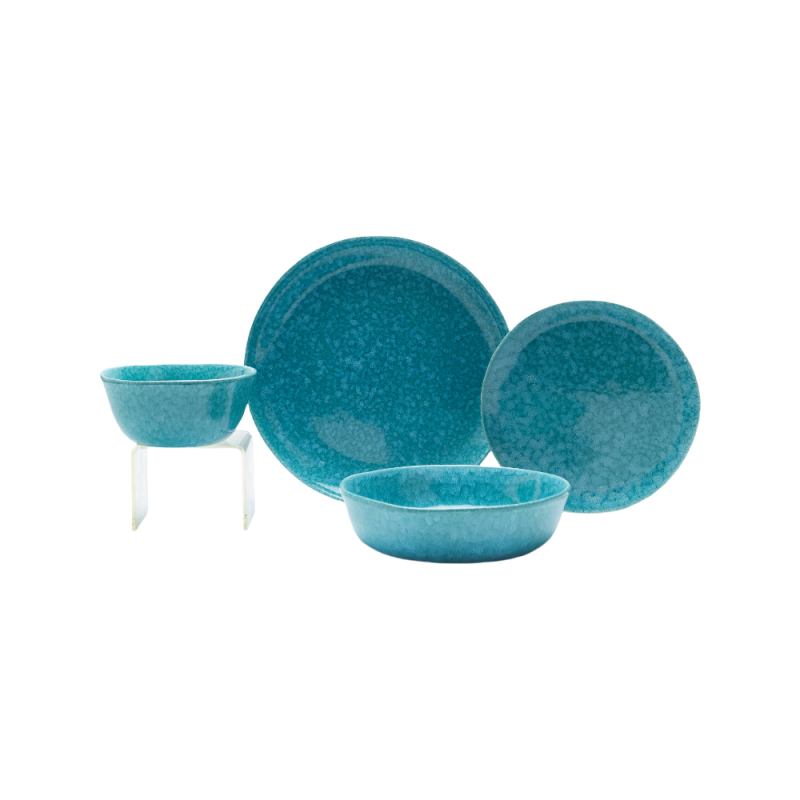
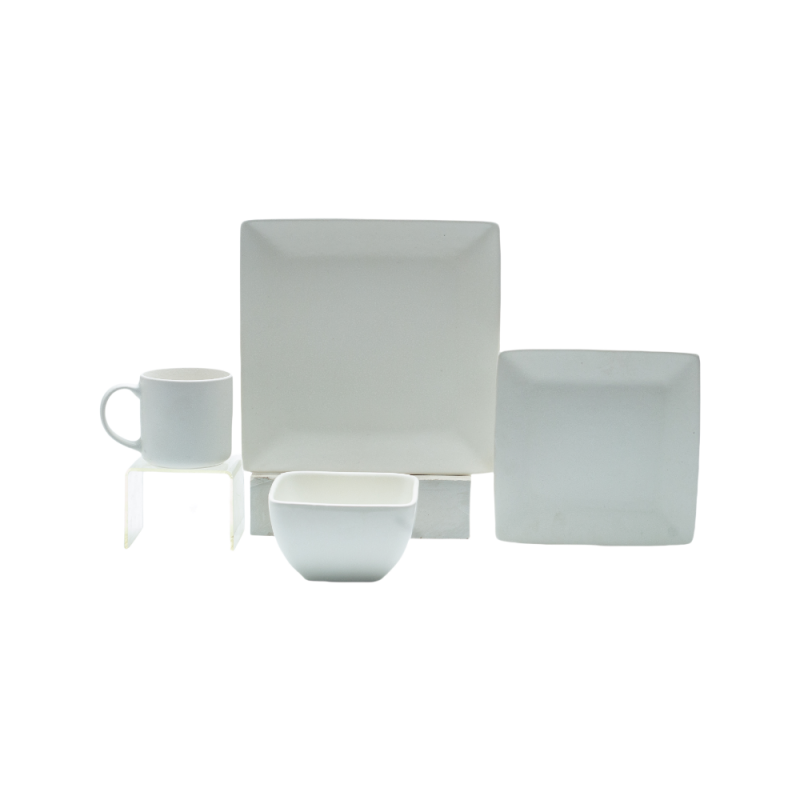
Have questions? See our Sizes & Finishes FAQ and Ordering & Certifications FAQ.
Need a custom quote? Send an inquiry or browse our full product catalog.

