The ATA Carnet: Moving Samples and Display Pieces Without Paying Duty Twice
The Problem: Goods That Leave and Have to Come Back
A display set for a trade fair, a sample collection for a buyer's showroom, a set of glaze references for a design meeting: all of it leaves the country for a few weeks and returns. Imported normally, that journey triggers duties, taxes and a deposit — a large amount of money parked for the sake of a sample case. The ATA carnet exists precisely for this situation: an international customs document that admits goods temporarily, without duty or deposit, on the condition that they leave again.
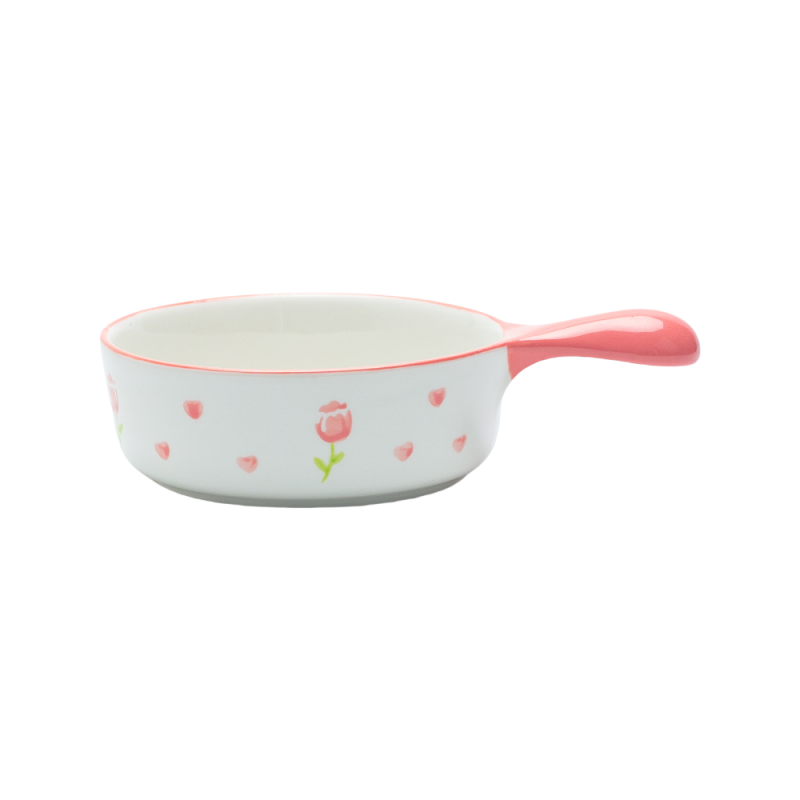
Products in this guide: Cute Ceramic Bowl with Handle · White Stoneware Ceramic Salad Plates
Where This Fits in the Sourcing Chain
Carnet use is decided when the trip is planned, because the goods list and the validity period are fixed in advance. The replenishment calendar maps the ordering windows for the whole year. It also affects how the pieces are packed and labelled for identification. The packaging guide explains how retail-ready and protective layers are specified together. The full chain follows the standard sourcing map. See the full ceramic sourcing process map.
What It Covers, and What It Does Not
Covers: goods for display at exhibitions and fairs, professional equipment, and commercial samples — the classic three categories. The goods are listed on the document, admitted without duty, and must be re-exported within the validity period, typically up to a year.
Does not cover: goods that will be sold in the destination. A carnet does not turn a sale into a temporary movement; sold goods need normal import and duty. This is the mistake that costs money, because it is made at the stand, on the last day, by someone who has just taken an order.
Practical consequence for a stand: display pieces restored to the crate, samples given away in a limited quantity only if the local rules allow it, and any piece that changes hands documented and duty handled — rather than discovered at the airport.
The Rules That Keep It Valid
Four, and they are all about consistency. Every entry and exit must be endorsed by customs, in the right order, with the counts matching the list. The goods must be identifiable — sensible descriptions, model references, photographs for anything ambiguous. The list must match reality, because adding a piece mid-trip is not a small administrative matter. The return must happen before expiry, and partial returns need to be handled deliberately rather than assumed.
Practical Preparation
Four items make a carnet trip uneventful. Apply with lead time — the document is issued in advance and the goods list has to be finalised, so weeks rather than days. Use a forwarder who handles carnets regularly, because the routing and the customs handling differ from ordinary freight. Insure the goods, because a carnet protects against duties rather than against loss. And keep the document with the shipment, not with the traveller's laptop, since it is required at every border.
Where the destination or the goods do not suit a carnet — or where the trip is a single country with a straightforward temporary import procedure — a temporary import bond arranged locally can be the simpler route. The decision belongs to the forwarder and the local rules, not to a preference.
Why It Matters Commercially
Three reasons, all rational rather than administrative. Cash flow: no duty deposit tied up for the length of a trip. Speed: fewer arguments at the border, which matters when a display must be set up on a fixed day. And credibility: a supplier who arrives at an international fair with properly documented goods and a properly listed sample set looks like a supplier who does this regularly — which is precisely the impression a first meeting is meant to create.
The Habit That Ties It Together
The habit is to treat the journey as temporary for as long as it is, and to document it that way. Programs that do this spend their exhibition budget on the stand rather than on duties.
Related Products
Explore products featured in this guide:


Have questions? See our Sizes & Finishes FAQ and Ordering & Certifications FAQ.
Need a custom quote? Send an inquiry or browse our full product catalog.