Takeaway and QSR Ceramics: Heat-Safe Carry, Lid-Fit Sealing and Chain Consistency
The Takeaway Cup Is a System, Not a Piece
The takeaway and quick-service buy looks like a simple cup order - but the operator who runs a to-go program reads it as a system with three moving parts: the body that holds the heat without the burn, the lid that seals without the leak, and the consistent piece that carries the chain's brand across the hundred outlets (see our 20oz-trend guide for the size logic, and our coffee-cup guide for the category structure). The three parts decide the operational numbers: the hold time of the hot drink, the spill rate of the busy shift, and the reorder tolerance of the chain-wide program. This guide reads the to-go category through the operator's operational logic: the heat-safe body, the lid-fit sealing, the service-line stack and the chain consistency that turns a cup into a system.
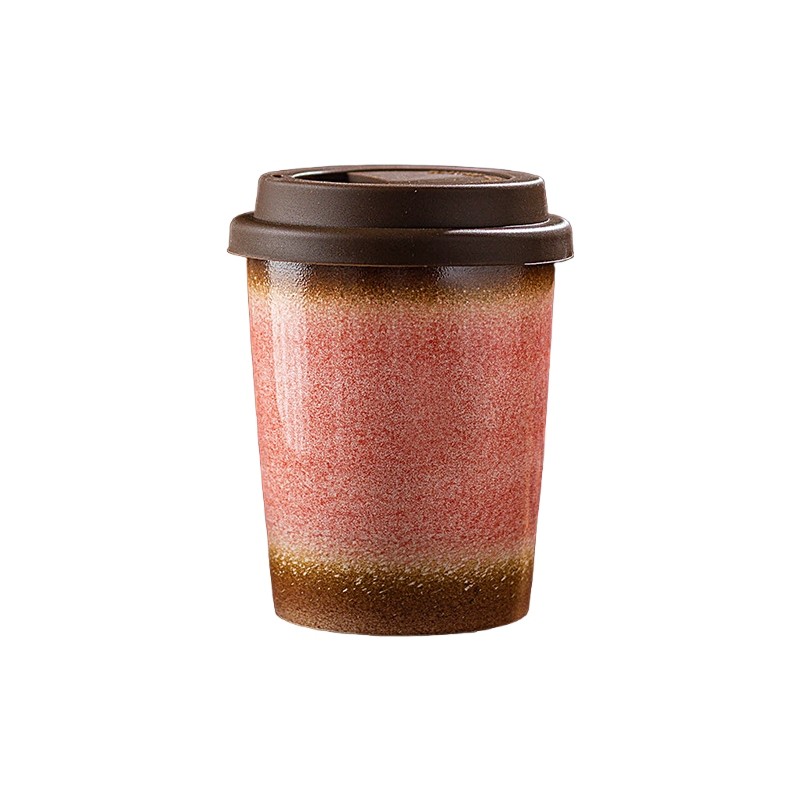
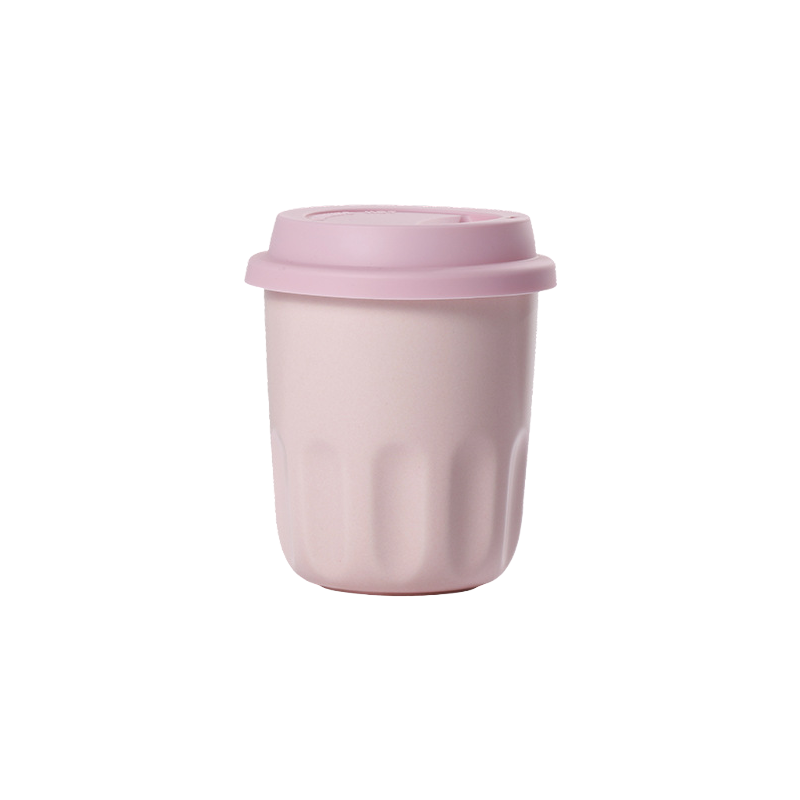
Products in this guide: 290ml Reactive Glaze Ceramic Travel Coffee Mug with Lid · Portable Ceramic Cup with Silicone Lid
The Heat-Safe Body: Hold the Heat, Manage the Burn
The takeaway piece earns its place in the system by holding the heat - and the heat story is two stories at once (see our appliance-safety guide for the thermal rules). The first story is the temperature management: the thick-walled stoneware body holds the drink hot longer than the thin porcelain cup, and the piece that holds the heat also stays cooler on the outside, so the customer holds the cup and the operator keeps the hot-drink promise (see our stoneware-guide for the material logic). The second story is the thermal-shock safety: the to-go cup meets the hot fill, the cold counter and the microwave reheat in the same shift, and the body and the glaze need the thermal tolerance for the whole cycle - the craze-free glaze, the crack-free body, the rim that survives the sudden temperature change (see our oven-safety guide for the thermal-shock standard, and our glaze-science guide for the craze reality). The signal: the to-go body should be speced for the thermal cycle - the hold time, the outside temperature and the thermal-shock tolerance - before the logo goes on.
The Lid-Fit Sealing: The Leak Is the Complaint
The second part of the system is the lid, because the leak is the complaint that kills the repeat purchase - and the ceramic to-go cup brings its own lid logic (see our travel-mug guide for the lid design, and our café-ware guide for the service standard). The ceramic cup with the dedicated lid - the silicone seal, the press-fit rim, the drinking hole that controls the flow - becomes a reusable takeaway system that the coffee shop sells once and refills for years (see our reusable-program guide for the sustainability side). The lid-fit questions are the engineering questions: does the lid seat on the rim without the wobble, does the seal hold the cup at the tilt, does the stack keep the lids clean in storage, and does the same lid fit the same cup on the reorder (see our QC guide for the tolerance checks, and our certification guide for the food-contact documents). The signal: the takeaway lid should be tested with the cup - the same rim, the same seal, the same batch - because the lid that fits the sample and not the reorder is the leak that arrives in the next container.
The Service-Line Stack and the Chain Consistency
The third part of the system is the operation: the stack and the consistency. The to-go cup stack matters because the takeaway line moves fast - the cup that nests and stacks without the stick saves the counter space and the reach time, and the cup that resists the stack costs the shift seconds that multiply across the day (see our stacking guide for the nesting principle, and our commercial-china guide for the edge design). And the chain consistency matters because the to-go cup is the brand touchpoint: the customer sees the logo at the first sip, and the chain that runs two hundred outlets needs the same color, the same glaze and the same logo placement on every cup - the decorated cup or the printed cup needs the reproducible decal, the stable glaze and the documented batch (see our decal guide for the printing logic, and our color-control guide for the batch acceptance). The signal: the chain program should be built on the repeatable spec - the stackable body, the consistent decoration and the documented tolerance - because the to-go cup is the brand that the customer holds in the hand.
The Takeaway Checklist for the Operator
The takeaway and QSR buy closes with a four-point checklist. First, spec the thermal cycle: the hold time, the outside temperature and the thermal-shock tolerance of the body and the glaze (see our appliance-safety guide for the rules). Second, test the lid fit: the seat on the rim, the seal at the tilt and the same fit on the reorder (see our QC guide for the checks). Third, build the stack and the service: the nesting body, the counter-friendly footprint and the fast line (see our stacking guide for the principle). And fourth, lock the chain spec: the reproducible decoration, the stable glaze and the documented batch for the hundred-outlet program (see our color-control guide for the acceptance). The operators who treat the to-go cup as a system buy it once and scale it across the chain - because they bought the heat-safe body, the sealed lid and the consistent piece, not just the cup.
"Takeaway-Ready Ceramic Cups"
Explore products featured in this guide:
Have questions? See our Sizes & Finishes FAQ and Ordering & Certifications FAQ.
Need a custom quote? Send an inquiry or browse our full product catalog.