Sustainable Packaging for Ceramic Mugs: The Green Options Retail Buyers Accept
Packaging Is Now Part of the Product
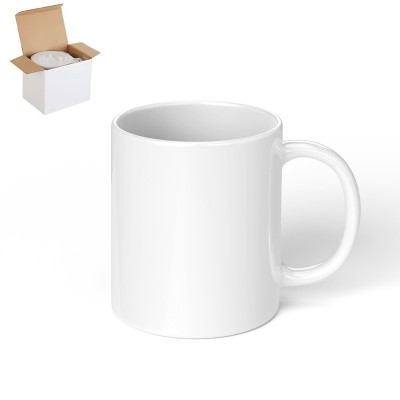
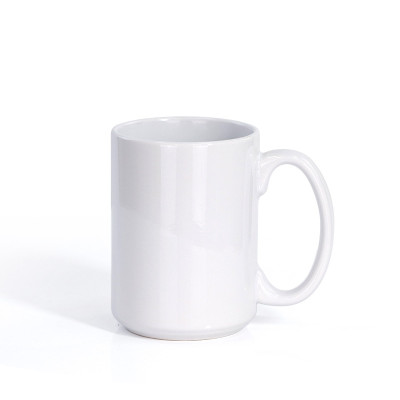
European and US retail buyers no longer treat packaging as an afterthought. In 2026, sustainability is the entry ticket: buyers evaluate packaging against recyclability, plastic content and regulatory compliance before they evaluate its cost. For ceramic mugs — a product that already carries a "natural material" story — the packaging either completes that story or undermines it. A ceramic mug in a plastic-wrapped, mixed-material box undercuts the product's whole positioning.
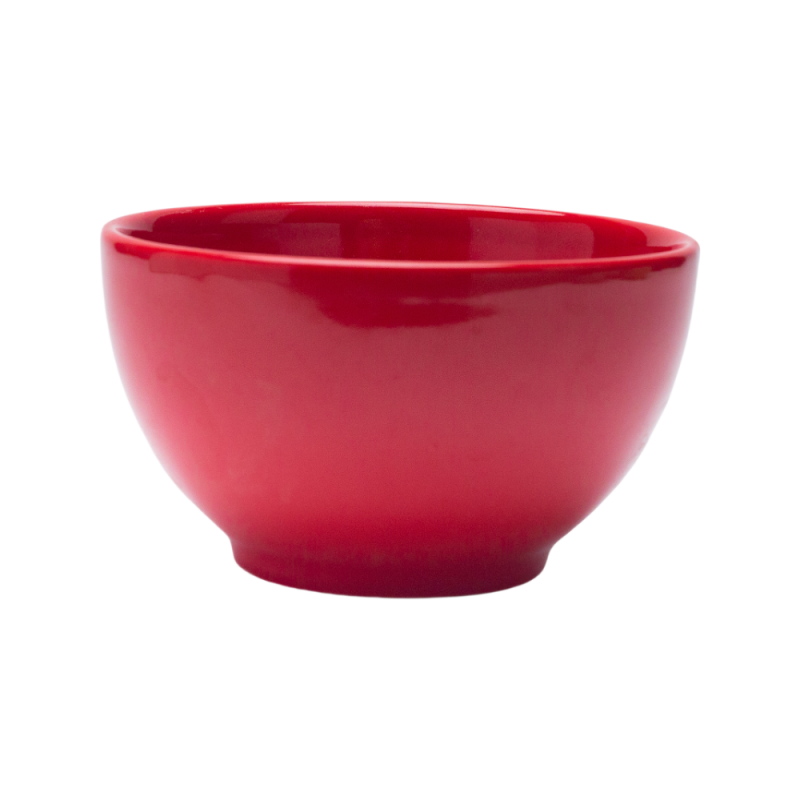
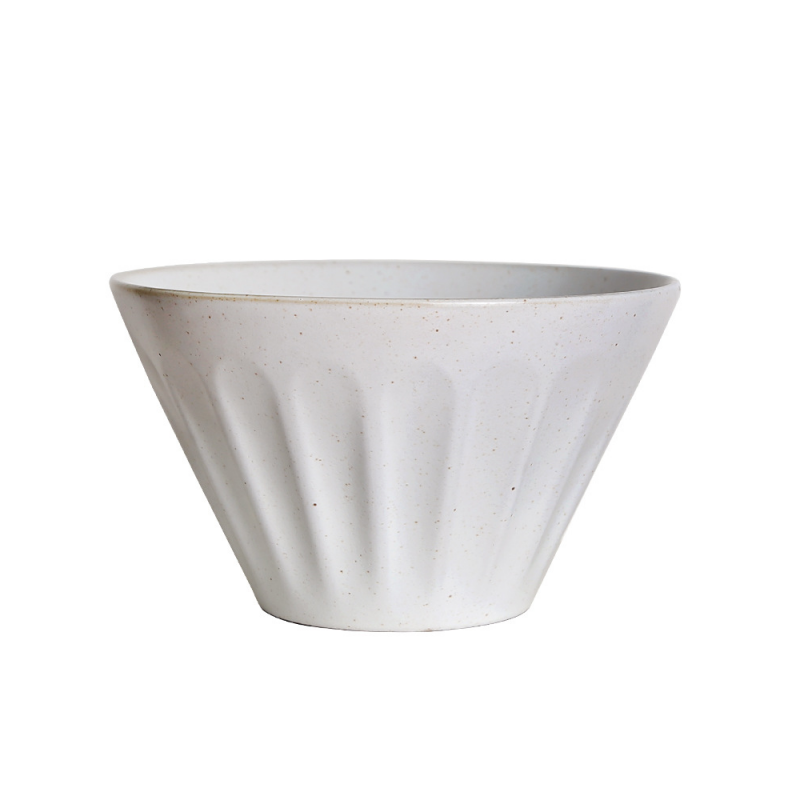
Products in this guide: Vibrant Glazed Ceramic Bowl · Japanese Ramen Bowl
This guide covers the packaging options that actually satisfy retail buyers, the regulations that matter, and how green packaging moves from a cost to a selling point.
The Packaging Stack, Decarbonized
The outer box or sleeve. The standard retail packaging for mugs — a printed carton or sleeve — can be specified in recycled cardboard (70-100% recycled content), printed with water-based inks, and designed without plastic lamination. This is the single highest-impact change: the visible outer packaging sets the sustainability tone for the whole unit.
The inner protection. This is where most ceramic packaging still fails the green test. Foam, plastic bubble wrap and EPE foam sheets are common — and are exactly what buyers now reject. The plastic-free alternatives: molded pulp (recycled paper pulp formed to the mug shape), corrugated paper inserts, and kraft paper wrap. Molded pulp is the premium option — it protects as well as foam for most mug shapes and reads as visibly eco-friendly.
The retail box interior. For gift-boxed mugs, the interior tray can be molded pulp or recycled paperboard instead of plastic thermoform trays. Add a printed recycled-paper insert card instead of a plastic label. Every plastic element you remove makes the whole box easier to recycle — and easier for a buyer to approve.
The seal and tapes. Specify paper tape and water-based adhesives. Plastic packing tape on an otherwise recyclable box breaks the recyclability story; paper tape keeps the box single-material.
The Regulation That Now Drives Everything: PPWR
For EU-bound programs, the Packaging and Packaging Waste Regulation (PPWR) is the framework that matters. It progressively requires: packaging to be recyclable by design, minimum recycled content in plastic packaging, and reduced packaging weight and volume. The timeline is staged, and retail buyers are already asking suppliers to confirm PPWR-readiness even before the strictest deadlines. For ceramic packaging, the practical reading is simple: design the packaging to be recyclable, avoid mixed materials that defeat recycling, and document what the packaging is made of.
What Retail Buyers Actually Check
When a buyer evaluates your ceramic packaging, they check four things:
- Recyclability. Can the outer box and inserts go in standard household recycling? Mixed-material packs (cardboard + plastic tray) usually cannot.
- Plastic content. Is there plastic in the box, the tray or the wrap? Zero-plastic packaging is the strongest signal.
- Certifications and declarations. FSC-certified cardboard and a packaging declaration (material breakdown) carry weight with buyers.
- Packaging-to-product ratio. Oversized boxes with excess void are a compliance and cost red flag under PPWR's reduction goals.
The Cost Question: Green Packaging Economics
Green packaging historically cost more; the gap has narrowed. Molded pulp is competitive with foam at volume, recycled cardboard costs near virgin stock, and water-based inks add little. The real economics are on the other side: buyers increasingly require sustainable packaging, so the cost of not having it is losing listings — not a price premium. For gift and premium lines, green packaging also justifies a slightly higher retail price because it completes the premium story. Treat packaging as a spec to optimize, not a cost to minimize.
How to Spec It: The Supplier Checklist
When you order ceramic mugs with sustainable packaging, put it in the purchase order:
- Outer packaging: recycled cardboard (state the recycled content), water-based inks, no lamination.
- Inner protection: molded pulp or corrugated paper — no foam, no plastic bubble wrap, no EPE.
- Gift interior: recycled paperboard or molded-pulp tray, paper insert card.
- Tapes and adhesives: paper tape, water-based adhesive.
- Documentation: ask for a packaging materials declaration and, where relevant, FSC certification and PPWR-readiness confirmation.
Green Packaging as a Selling Point
For retail programs, sustainable packaging is not a compliance cost — it is a shelf story. "Recycled cardboard box, molded-pulp tray, zero plastic" is a line that goes on the product page, on the listing and in the buyer presentation. It supports a slightly higher price, it satisfies the buyer's sustainability requirements, and it protects the mug in transit. A ceramic mug is already a sustainable product — the packaging is what makes the claim complete.
Packaging That Completes the Product
The most effective packaging strategy for ceramic mugs is the simplest: one material wherever possible, recycled where available, and zero plastic throughout. Our factory supplies ceramic programs with sustainable packaging options — recycled-cardboard retail boxes, molded-pulp protective inserts, and paper-based seals — configured to your retail requirements and documented for PPWR-readiness. Send us your packaging spec or your retail market; we will quote the green packaging option with the protection specs that keep your mugs arriving intact.
"Naturally Finished Ceramic Pieces"
Explore products featured in this guide:
Have questions? See our Sizes & Finishes FAQ and Ordering & Certifications FAQ.
Need a custom quote? Send an inquiry or browse our full product catalog.