Southeast Asia Tableware: The Halal F&B and Hotel Sourcing Opportunity Beyond Ramadan
The Second Big Muslim-Market Story
Everyone knows the Middle East buys tableware. The story that gets less attention — and offers a different entry point — is Southeast Asia. Malaysia, Indonesia and Thailand combine a large Muslim population (with halal-driven procurement rules), fast-growing hospitality and F&B sectors, and a tariff environment very different from the EU. For ceramic suppliers, it is the rare market where the same products serve hotels, restaurants, retail and religious-segment demand at once. This guide explains how the region buys, what halal really means for ceramics, and how it differs from selling to the Gulf.
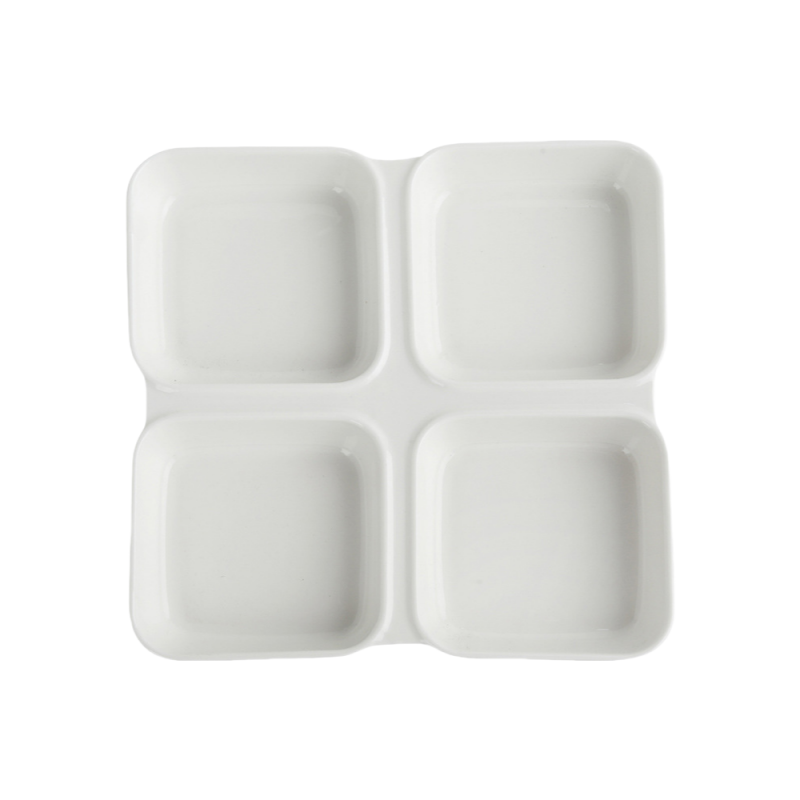
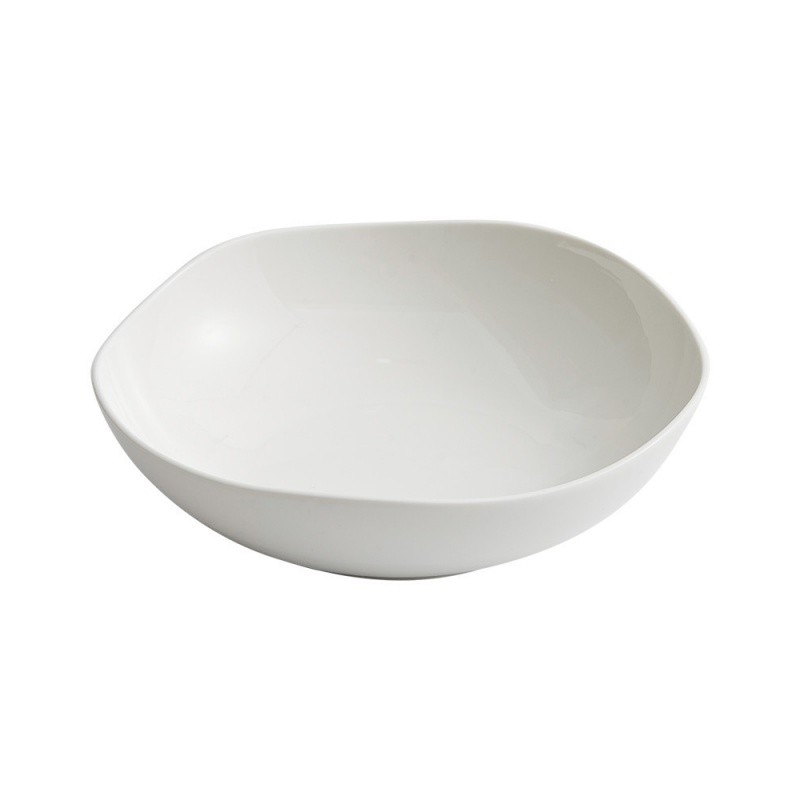
Products in this guide: 8.5" White 4-Section Dessert Plate · Luxury Wave Ceramic Salad Bowl
The Market Shape: Three Segments, One Region
Malaysia — the established hub. Malaysia has a mature hospitality sector and the region's strongest halal certification infrastructure. Hotels, international chains and Muslim-friendly F&B brands procure tableware with halal requirements as a standard, not an option. It is the easiest entry point in the region: established importers, clear standards, English-speaking procurement.
Indonesia — the volume opportunity. With the world's largest Muslim population and a rapidly expanding middle class, Indonesia's hotel and F&B growth is steep. Procurement is more fragmented and price-sensitive than Malaysia, but volume potential is the largest in ASEAN. Local content and direct-import rules matter; working with a solid local importer or distributor is the practical route.
Thailand and the rest — the tourism channel. Thailand's tourism-driven hospitality buys premium tableware for hotels and resorts, often through Bangkok-based importers. Vietnam's domestic market is growing too, though its focus remains export production.
What Halal Actually Means for Ceramic Tableware
Halal certification for food-contact ceramics focuses on two practical things:
1. Materials and processing. No prohibited substances in glazes or decoration — the concern is lead, cadmium and any glaze component derived from non-permitted sources. Ceramic glaze formulated without lead and cadmium, meeting food-contact migration limits, satisfies the material requirement for most halal programs.
2. Production and handling. Halal certification bodies audit production: no cross-contamination with non-halal materials, clean production lines and documented processes. For imported ceramics, the practical route is a halal certificate from a recognized body for the product line, plus the standard food-contact test reports (the same LFGB/FDA migration reports most EU and US programs already require).
The buyer's takeaway: if your factory already runs lead-free glazes with migration test reports, the additional halal certification is usually an audit and documentation exercise — not a product change. Suppliers that can produce both sets of documents (food-contact reports + halal certificate) can quote the region's buyers without friction.
How Southeast Asia Differs from the Middle East
| Factor | Middle East (Gulf) | Southeast Asia |
|---|---|---|
| Certification focus | Gold/organic-free, premium finishes | Halal certification, lead-free glaze proof |
| Buyer profile | Hotel groups, gifting, VIP | Hotel/F&B, importers, retail chains |
| Price sensitivity | Premium-tolerant | Value-conscious, especially Indonesia |
| Volume pattern | Seasonal spikes (Ramadan) | Steady year-round + Ramadan lift |
| Logistics | Air + sea, Dubai hub | Sea dominant, KL/Singapore/Jakarta hubs |
| Language | English common | English (MY/SG), local languages needed deeper |
The practical difference: the Gulf rewards premium presentation and seasonal gifting; Southeast Asia rewards halal documentation, consistent quality and value pricing across a steady demand base.
The Sourcing Window and Entry Strategy
Entry route. Start with Malaysia: identify 2-3 established importers or distributors serving hotels and F&B, and come with the documentation ready — food-contact test reports, halal certificate (or the plan to obtain one), and hotel-supply references. Malaysia's certification infrastructure means a certified product line there can often extend to Indonesia later.
Order patterns. Demand is steadier than the Gulf — hotel refurbishments, restaurant openings and retail reorders run year-round, with a Ramadan lift in Q1-Q2. The steady base is what makes the region attractive: it is a volume market with a predictable rhythm, not a spike market.
Logistics. Sea freight dominates; plan 4-6 weeks for KL/Singapore and slightly longer for Jakarta. Packaging for tropical climates matters — high humidity and heat mean moisture-resistant cartons and careful packing for the longer sea transit.
Position for the Region
For ceramic suppliers, Southeast Asia is the complement to the Gulf story: the same quality standards, a different documentation set (halal + food-contact) and a steadier demand rhythm. Our factory supports both — lead-free glazes with migration test reports, halal certificate options for eligible product lines, and export documentation for Malaysia and Indonesia routes. If you are evaluating Southeast Asia, tell us your target segment (hotel, F&B, retail or distributor); we will confirm the documentation path and quote the region with the right packaging and logistics terms.
"Hotel & F&B Ready Ceramic Pieces"
Explore products featured in this guide:
Have questions? See our Sizes & Finishes FAQ and Ordering & Certifications FAQ.
Need a custom quote? Send an inquiry or browse our full product catalog.