Sourcing a Ceramic Teaware Line: How Buyers Structure Cups, Saucers, Pots and Gift Sets
Teaware Is a System, Not a Single Cup
Tea buyers rarely order one shape. A teaware line is a system — cups, saucers, a pot, a tray, often a gift box — and the margin lives in how the pieces relate to each other. A cup alone sells at commodity price; a cup, saucer and box that share a design language sell as a set at a premium. This guide covers how bulk buyers structure a ceramic teaware line: the tiers, the specs, the configuration logic and the order checklist.
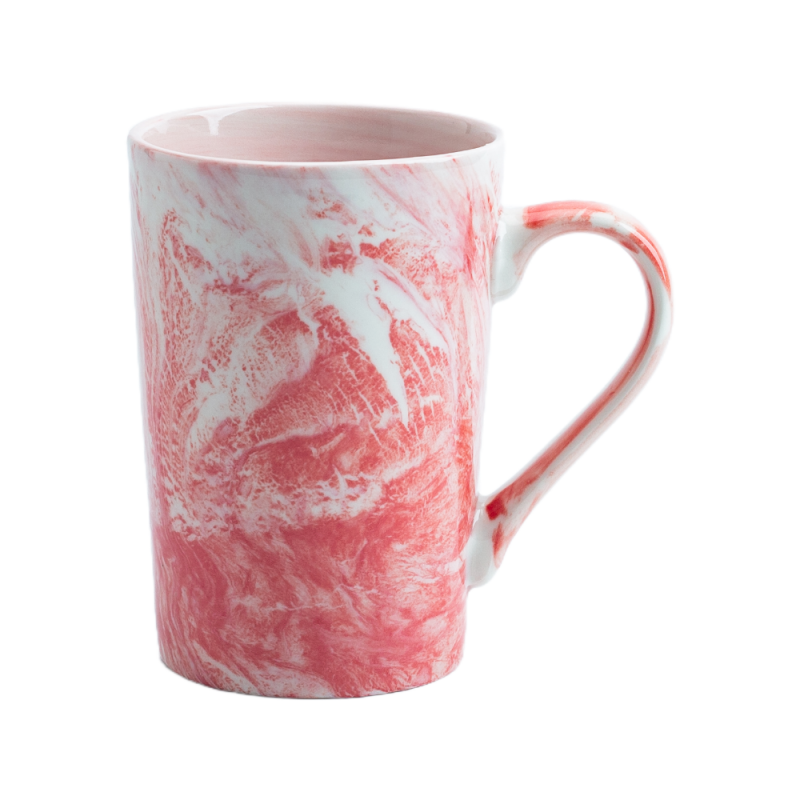
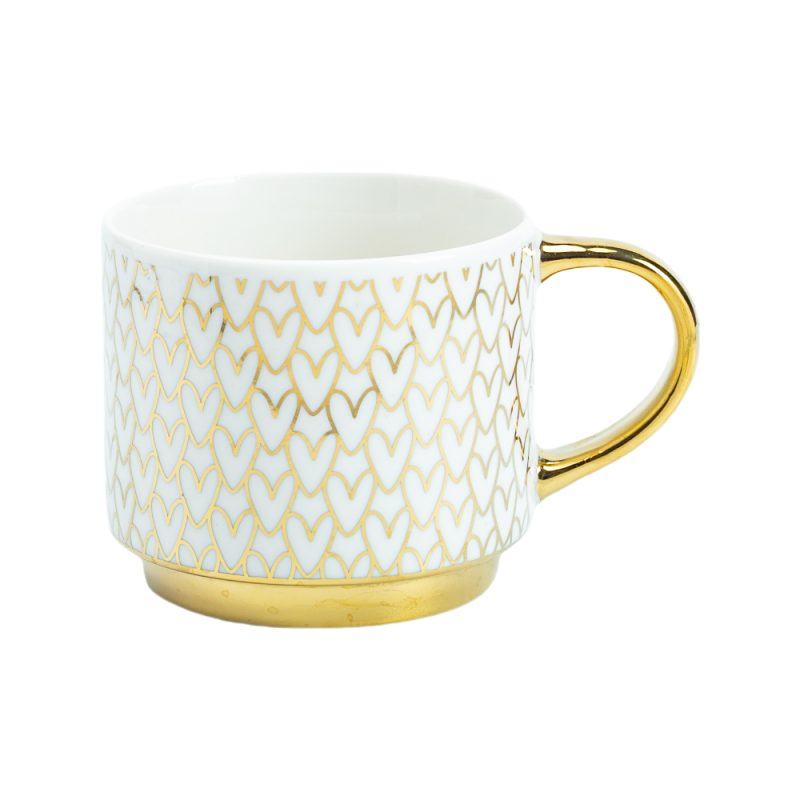
Products in this guide: Marble Ceramic Latte Mug · Gold Handle Ceramic Mug
Tier 1: The Entry Line — Whiteware Cups and Saucers
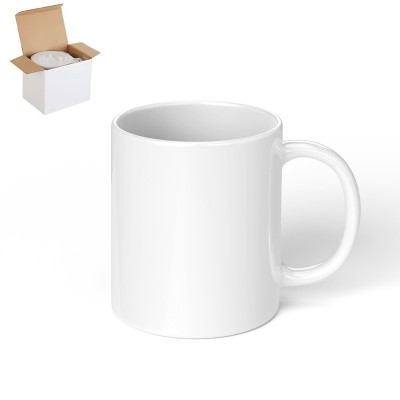
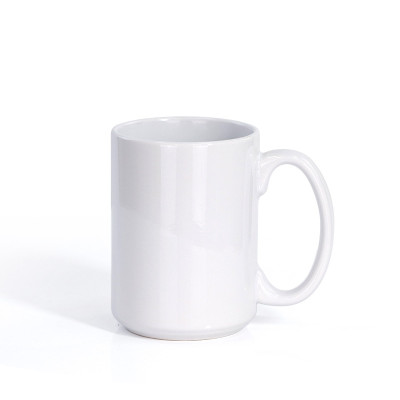
The entry line is plain whiteware: glazed cups, saucers, and a standard teapot, produced from the factory's existing shapes. It is the lowest-cost way to enter teaware because there is no mold fee and no decoration setup.
The entry line still needs spec decisions. The three that matter most:
- Capacity: 150–200 ml is the standard tea-drinking cup across most markets; 250–300 ml suits Western breakfast tea. Pick one capacity for the core line and keep it consistent — mixed sizes fragment your inventory.
- Cup-saucer ratio: the market norm is one saucer per cup, but food-service buyers often order cups with a lower saucer ratio (1 saucer per 4 cups) for counter service. Decide the ratio before you quote.
- Wall thickness: a 3–4 mm wall keeps tea hot without being heavy; thicker walls increase freight cost and thermal lag. State the tolerance in the spec, not the mood.
Tier 2: The Mid Line — Glaze and Decoration
The mid tier takes a whiteware shape and adds identity: a reactive glaze, a marble or speckled finish, a hand-painted band, a decal pattern. This is where most private-label teaware brands compete — the shape is standard, the finish is the brand.
Decoration decisions to lock before sampling:
- Glaze style vs decoration placement. Reactive and marble glazes cover the whole piece and are applied at the glaze stage — they cannot be combined with a sharp printed logo in the same area. Screen-printed and decal patterns sit on the glaze and can carry fine detail. Decide which carries the brand.
- Pattern placement across the set. A pattern that works on a cup may not work on a saucer or pot. Specify where the motif appears on each piece — rim, body, base — so the set reads as one design.
- Metallic accents. Gold and silver handles or rims move a line into the premium tier and are a fast way to build a gift-ready SKU, but they add a firing step and a cost per piece. Confirm the metallic finish's dishwasher durability with the factory before committing.
Tier 3: The Premium Tier — Gift Sets and Signature Shapes
The premium tier is where margin lives: decorated cups with saucers in a printed gift box, a matching teapot, a brand story on the hang tag. Two rules make gift sets work:
- The box is part of the product. A printed gift box with the brand and the set name justifies a price the loose pieces cannot reach. Include the box spec (structure, printing, insert) in the PO — the factory can supply it, but only if it is specified.
- One hero set per season. A gift program with ten SKUs spreads production across too many small runs. Pick one hero set, execute it well, and let it carry the line; rotate the hero by season.
The Set Configuration Logic
Sets are configured from three numbers:
- Cup count per set: retail gift sets run 2, 4 or 6 cups with saucers; food-service programs buy cups loose with a ratio.
- Pot size relative to cups: a 6-cup set pairs with a 700–900 ml pot; a 4-cup set with a 500–600 ml pot. The pot should fill the cups about 1.5 times over for refills.
- SKU depth: a healthy teaware catalog runs 5–10 SKUs (2 cup sizes, 2 finishes, 1 pot, 1 tray, 1 gift set) — enough range to look like a brand, small enough to manage minimums.
The Spec Sheet the Factory Needs
A teaware program ships on the spec sheet, not the artwork alone. Send: the capacity and wall tolerance per piece; the cup-saucer ratio; the glaze or decoration reference with Pantone or sample; the metallic accent specification if used; the pot volume and spout-handle geometry; the tray dimension; the gift box structure, printing and insert; and the carton spec for freight. Complete specs are what turn a teaware idea into a factory quote — and a quote you can hold them to.
The First-Program Checklist
Before the first teaware PO, confirm: the shapes and capacities (one core cup capacity, one saucer ratio); the finish tier (whiteware, glaze-decorated or gift set); the set configuration (cup count, pot size, tray); the metallic or premium details with dishwasher-durability confirmation; the gift box spec if applicable; and the AQL and sampling standard for the set. Start with one hero set and one mid-tier finish, prove two sell-through cycles, then extend the line. That is the teaware playbook — a system bought as a system, not a single cup with hopes attached.
"Teaware-Ready Ceramic Programs"
Explore products featured in this guide:
Have questions? See our Sizes & Finishes FAQ and Ordering & Certifications FAQ.
Need a custom quote? Send an inquiry or browse our full product catalog.