Sourcing Ceramics for Japan: Coffee Culture, Gifting and Food-Contact Rules
A Market That Buys on Finish
The purchasing brief from a Tokyo importer reads almost like a quality manual: glaze even across every piece in the container, clean rims, colour consistent from approved sample to bulk run, and test documents matched to Japanese food-contact rules travelling with the order. None of this is unusual. Japanese buyers of ceramic tableware — importers, coffee operators, lifestyle retailers and gift programmes — are exacting about finish, precise about the specification they agreed to, and loyal once a supplier holds a documented standard across repeat shipments.
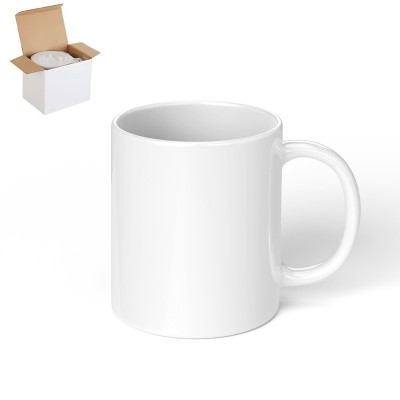
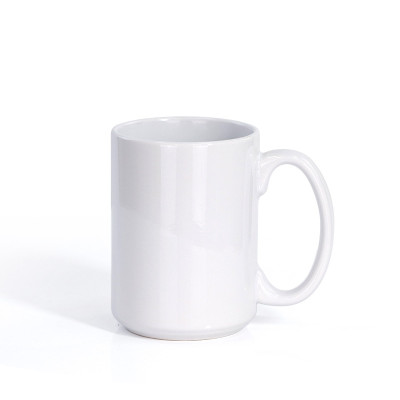
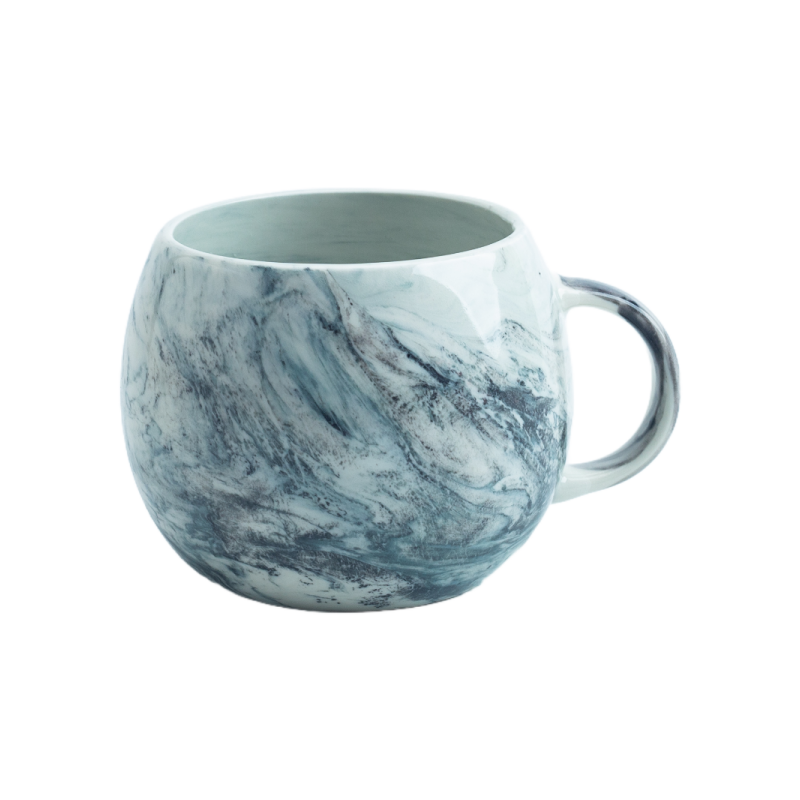
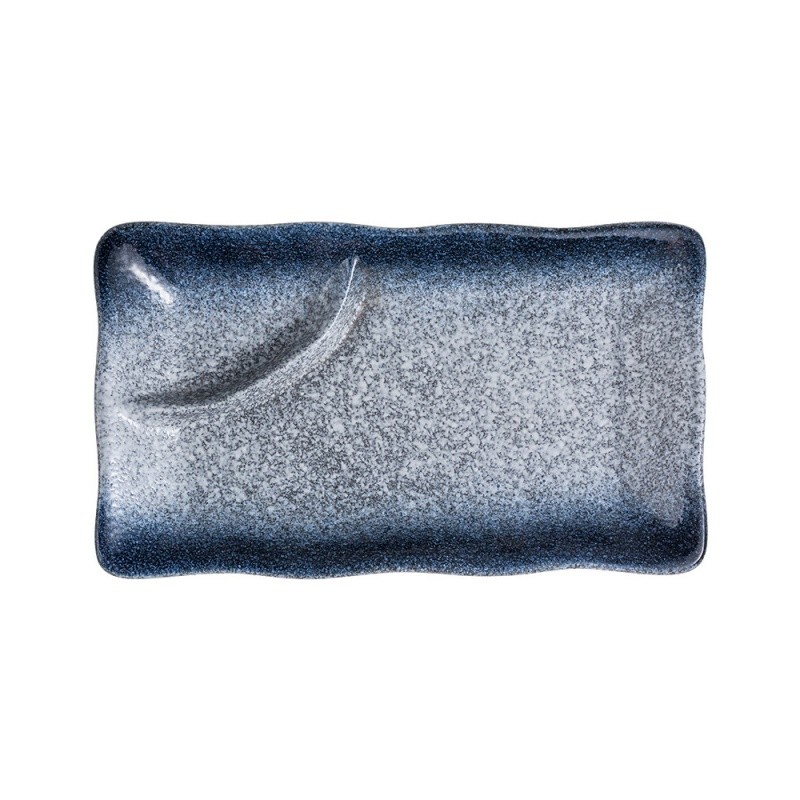
Products in this guide: 455ml Marble Ceramic Mug · Ceramic Sushi Tray with Built-in Sauce Dish
For an exporter or importer building a range, Japan is a demanding but durable market. Volume is spread across coffee service, everyday home dining, foodservice and the gifting economy, and repeat ordering runs through established relationships rather than spot purchases. Two disciplines separate suppliers who build a real Japan business from those who stop at the sample stage: quality control and packaging that protect the goods to the shelf, and the ability to produce the compliance file that Japanese channels expect for food-contact ceramics.
This guide maps the practical route for importers, brands and foodservice groups: where Japanese volume sits, which food-contact rules attach to ceramic tableware under Japan's official framework, how import documentation works, how much time to plan for, and how the gifting calendar sets the rhythm of the year. It reflects the official public framework as it stood in September 2026 and is operational guidance for buyers, not legal advice. It deliberately quotes no specific limits, rates or fees; the reference that governs any order is the latest official announcement of the Japanese authorities. For the factory-selection groundwork behind a Japan range, our complete guide to sourcing custom ceramic mugs from China covers choosing and qualifying a supplier.
Map the Route: Where the Volume Moves
There is no single front door to the Japanese market: volume reaches end buyers through parallel routes, each with its own expectations about product, packaging and documentation. Most exporters serve two or three rather than all five.
Trading houses and specialised importers. A large share of commercial tableware imported into Japan is arranged through general trading houses and specialised importing and wholesale companies. They aggregate demand from retailers and foodservice chains and handle language, import notification and distribution. For a first-time exporter they are usually the most practical entry point, because the trading partner carries the market knowledge and the compliance routine.
Coffee chains and specialty coffee. Japan's coffee culture is mature, with national chains and independent specialty shops operating side by side. For chains, storeware is part of the brand: cups and saucers must be durable, stackable and uniform across stores, with an acceptable path for replacement orders in later seasons. Specialty operators buy cups that feel right in the hand, with clean rims and stable glaze, and many also sell branded mugs and cup-and-saucer sets from the counter as retail merchandise. For this channel, our coffee cup sourcing map runs through the shapes, capacities and finishes that foodservice and café buyers keep ordering.
Lifestyle and kitchenware retail, and value variety chains. Housewares retail in Japan is deep: department stores, kitchenware specialists and general merchandise chains all carry dining ceramics for the home. Alongside them sit the large value-priced variety chains, whose kitchen and dining sections move high volumes of mugs, bowls and plates under strict specification and cost discipline. These programmes reward suppliers who can fill coordinated shape ranges, match colourways to home trends and deliver packaging that survives dense warehouse handling.
The gifting channel. Gift culture — the everyday custom of bringing a small present when visiting, and the two large seasonal gift periods of the year — creates steady, structured demand for ceramic gifts: gift-boxed mugs, matched cup-and-saucer sets and decorated plates designed to be given. Presentation decides the sale: box inserts, printed cartons, clean backstamps and consistent decoration carry the perceived value. Department store gifting floors, online gift catalogues, corporate programmes and special-occasion lines all belong to this channel.
Foodservice and hotels. Izakaya, cafés and hotel restaurants use ceramic tableware in volume: service plates and bowls, teaware and coffee ware that survive daily washing, plus presentation pieces for higher-end menus. Buying runs through foodservice distributors and procurement groups, reorders on a stable cadence and values durability and replaceability over novelty — rewarding consistent quality, honest capacity forecasts and a documented product file.
The channel map matters because each route expects a different file: stackability data and replacement terms from a coffee chain buyer, packaging mock-ups and seasonal capacity from a gifting programme, durability evidence and steady reorder times from foodservice. Decide which two or three channels the range serves before quoting, then assemble the file each asks to see.
The Compliance Baseline: Per-Material Food-Contact Standards
Japan sets specifications for food-contact utensils, containers and packaging under its food hygiene legislation. The standards that matter for ceramic tableware are laid down by material type in the ministerial notification known to the trade as Notification No. 370, Japan's specification standard for food-contact utensils, containers and packaging. Ceramic ware that comes into contact with food must therefore meet the material-specific specification, verified through lead and cadmium migration testing applied by category of vessel, together with sensory-related checks.
For a supplier, the practical consequence is simple: before shipping to Japan, the exporter should be able to hand over a lead and cadmium migration test report issued to the Japanese specification for the item being shipped. A report generated to another market's method does not automatically answer a Japanese buyer's question. The report should name the actual SKU and decoration it covers, state the method it followed, and be recent enough to describe the product as it is made today. When a new glaze or decoration enters the range, the evidence should be renewed — the situation covered in our guide to when to test ceramic tableware and how to cut cost, which sets out a testing rhythm that controls cost without leaving gaps.
What to request from the supplier before a Japan order:
- A lead and cadmium migration report issued to the Japanese specification, matched to the vessel category of each SKU in the order.
- A clear statement of which glaze and decoration the report covers, so a later change of glaze or print is visible on the file.
- Sensory and appearance checks recorded on the same batch documentation where the specification requires them.
- A commitment to notify the buyer before any change to body, glaze, decoration or firing that could affect the tested product.
None of this is exotic: the evidence must name the product as made, the market whose method it follows and the date of the sample — and Japan expects that file complete, in order and available before the container ships.
The Resin Positive List, the 2026 Revision and Japanese Labels
Two further points in the Japanese framework are easy to misunderstand, and both are worth getting right before quoting.
The synthetic-resin positive list. Japan regulates synthetic resins used for food contact through a positive list: only base materials and additives that appear on the official list may be used in food-contact resins. The regime has been fully enforced since June 2025, with the transition period over. The key scope point for ceramics: pure ceramic ware is not a synthetic-resin product and sits outside the list. Many ceramic items are composites, though: a lid with a resin seal ring, a resin cap or a fitted plug carries a food-contact resin component that must itself comply with the list. The buyer should ask the supplier to confirm that any resin seals, lids, plugs or fittings on the order are made from listed base materials and additives, and to provide the supporting documentation. The scheme also carries information-transfer and record-keeping duties along the supply chain, so the confirmation should be written, dated and kept in the product file rather than given by word of mouth.
The 2026 specification revision. Japan revised its specification standard again in June 2026, with updates affecting test conditions such as migration test temperature and related total-migration-style specifications. The revision leaves the structure intact — specifications remain set by material type, with lead and cadmium migration testing for ceramics — but a report issued under older test conditions may no longer match current practice. Before ordering, confirm that each SKU has been checked against the latest official notification and that any test the revision now requires has been run. As always, the reference is the official text as currently published, not a summary from a third party.
Japanese labelling. Japanese-language labelling and compliance information are the basic entry threshold for Japanese channels. Labels, backstamps and any consumer-facing claims must be provided in Japanese and must meet the food hygiene rules and Japan's fair-representation rules for premiums and product claims. The practical arrangement is to have label artwork checked by the importer or an agent in Japan before mass production, and to keep the approved proof with the SKU file.
Import Documentation: Notification and Inspection
Imported food-contact utensils and containers enter Japan through a notification and inspection mechanism administered by the quarantine stations and public health centres under the food hygiene framework. The process centres on import notification: the importing party files the notification for the goods, and the authorities may inspect documents and, where warranted, the goods themselves before release.
The exporter does not file the notification, but supplies everything the importer needs to file it well. The standard file includes the product specification with dimensions and materials, the per-material test reports described above, confirmation on any synthetic-resin components, label and packaging information, and the usual shipping documents. First-time products and new factories draw closer attention, so the importer will ask for a complete, organised file. Translating the key documents or summarising them in Japanese in advance smooths the process.
The exporter should treat documentation as part of the product: test report, positive-list confirmation, label proof and packing records assembled per SKU, dated and current, so the importer's notification is produced in minutes rather than reconstructed from email threads.
Logistics and Lead Time: Count in Weeks
Planning for Japan should be done in weeks, not days. A realistic programme runs from sample approval and document preparation through production, firing, inspection and packing, then sea freight to Japanese ports, import notification and release — several weeks in total, with gifting-season peaks adding pressure at the factory and in the warehouse.
Three habits keep the schedule honest. First, front-load the compliance work: reports, positive-list confirmations and label approvals settled before production starts, since none of them can be rushed once the goods are made. Second, add buffer before the calendar moments in the next section, when display windows and gift deadlines are fixed even if arrival dates drift. Third, agree on inspection and sampling in the purchase terms, so that a packed container does not wait on a dispute about who checks what.
A supplier that gives honest capacity and shipping windows, then meets them, earns the trust that Japanese programmes reward with repeat business.
The Seasonal Calendar: Gifting Drives the Year
The Japanese year for ceramics is shaped by gifting. Two structured gift seasons sit at its centre: the mid-year gifting season in summer and the year-end gifting season in winter, when families, businesses and individuals exchange seasonal gifts as a matter of custom. Ceramic mugs, cup-and-saucer sets and coordinated tableware are staples of these exchanges, sold through department store gifting floors, catalogue and online gift services, and corporate programmes. Christmas gift boxes add a further peak, while everyday retail and foodservice demand runs through the rest of the year.
Reverse planning matters more than in most markets. Retail displays and gift catalogues are fixed to dates announced by the channel each year, so the ordering decision has to be made months ahead: the buyer who orders after the catalogue deadline waits a full season. The main tableware and housewares trade events in Japan, whose dates the organisers confirm each year, are where seasonal programmes and new ranges are typically reviewed and committed. Ask each channel for its order window and work backwards to the production slot — honestly, about whether the factory has capacity when the window demands it.
Reaching Buyers: The Route Through Importers and Agents
Most foreign suppliers reach Japanese end buyers through an intermediary, and that is rarely a weakness: a trading company or specialised importer brings the language, the compliance routine and the retail and foodservice relationships that are slow to open from outside. An agent in Japan can play the same role for a manufacturer that wants closer market contact without building a full local operation.
The relationship is long-term by design. Japanese buying programmes value suppliers who respond to documents and samples quickly, communicate problems before they become surprises, hold agreed quality across reorders and keep their files current. For an importer or brand planning the range, the same logic applies in reverse: choose the trading partner or agent who understands the food-contact file, because that file is what keeps the goods moving.
Japan-Ready Self-Check List
Before a Japan programme is committed, run the range against a short list.
- Lead and cadmium migration report available for each SKU, issued to the Japanese specification and matched to its vessel category.
- Report names the current glaze and decoration, and any glaze or print change since testing is visible and notified.
- Synthetic-resin positive list: written confirmation that any resin seals, lids, plugs or fittings use listed base materials and additives, with supporting documents filed.
- The 2026 specification revision checked: each ordered SKU confirmed against the latest official notification before ordering.
- Japanese label and backstamp artwork approved, with claims wording checked and the proof kept on file.
- Packaging specified for retail display or dense warehouse handling as the channel requires, with carton markings confirmed.
- Order windows taken from the channel's calendar, with capacity reserved ahead of the gifting seasons.
- Document pack per SKU ready for the importer's import notification before production starts.
None of this is an exotic barrier; it is the entry discipline of a market that buys on finish, plans on the gifting calendar and verifies the file. A supplier that holds quality, keeps documentation honest and meets seasonal windows will find Japan a demanding but loyal market — judged, as of September 2026, against the official public framework and the latest announcements of the Japanese authorities.
"Japan-Ready Ceramic Coffee & Tableware"
Explore products featured in this guide:
Have questions? See our Sizes & Finishes FAQ and Ordering & Certifications FAQ.
Need a custom quote? Send an inquiry or browse our full product catalog.