Sourcing Ceramics for Europe: A Buyer's Guide to a Fragmented Market
Europe Is Not One Market
North America is one regulatory block and roughly one way of buying; Europe is three: the EU, the UK and the non-EU states around them (Switzerland, Norway, the Balkans). Each has its own compliance weight and channel habits, and a sourcing program that treats Europe as one market leaks money in every market. This guide maps the split, the channels, the compliance stack and the freight structure — the four things that change how you buy ceramics for Europe.
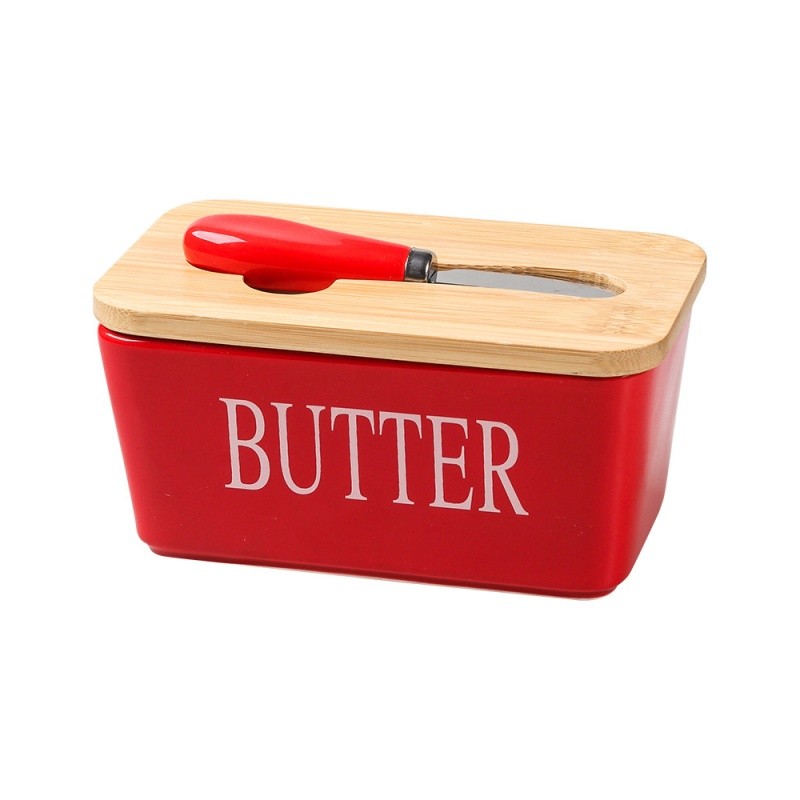
Products in this guide: Vintage Blue & White Porcelain Dinnerware Set · Ceramic Butter Dish with Cover and Knife Slot
The Three-Europe Split
The EU is the biggest block and the one with the newest rule: the GPSR (General Product Safety Regulation), fully effective since December 2024, applies to ceramics too — decorative ware included (see our GPSR guide for the full obligations). The UK sits outside the EU framework: its own product safety regime and its own authorised-representative requirement, and import paperwork that is not the EU's. The non-EU states largely follow EU-style standards in practice but have their own customs and documentation. The practical rule: plan compliance per destination market, not per "Europe", and keep the EU documentation set complete because it is the template the other two adapt.
The Channel Map
The buyers in Europe break into the same big-B shapes as elsewhere, with local accents:
- Distributors and importers — the volume channel. They buy in containers, they know the compliance burden, and they expect the factory to carry the documentation load. Their procurement is the most professional and the most patient.
- Brand owners and private label — they care about the development process (see our sampling and color guides) and about ESG data, because European retailers push sustainability requirements down the chain (see our ESG guide).
- Retail groups and hospitality — the quality bar is the highest in the world: commercial dishwashers, hotel specs, and a low tolerance for variance. They audit factories before approving a supplier.
- Online-first sellers — the fastest-moving channel, buying smaller, faster, and more dependent on the seller to solve compliance (which is why the GPSR paperwork from the factory is their lifeline).
The Compliance Stack
For food-contact ceramics, the stack has four layers, and the factory should provide evidence for each:
- LFGB (Germany) — the de facto benchmark in Europe; German buyers and their neighbours treat it as the reference standard for food-contact ceramic.
- EU framework (and its member-level limits) — the migration limits for lead and cadmium that the EU applies across its members (see our test-report guide for how to read the numbers).
- GPSR (since December 2024) — the new horizontal rule: an EU responsible person, traceable batch marking, label language for each market, and product information shown online. It is now a non-negotiable for any ceramic sold into the EU.
- Client-specific protocols — hotel groups and large retailers add their own testing and audit requirements on top.
The sourcing rule: ask the factory for the documentation before the PO, not after. A factory that has the GPSR dossier and LFGB reports ready is a factory that understands the market; one that discovers them during production is a cost you will carry.
The Freight Structure
The European route gives buyers an option North America does not: rail. The three modes behave differently on this lane:
- Sea — the default: lowest cost, 30-40 days to North European ports, then customs and trucking inland.
- Rail — the middle path: roughly half the transit time of sea at a premium over sea, running on the China-Europe corridors (see our shipping guide for the full comparison). It is the practical choice for programs that miss the sea window or run mid-season replenishment.
- Air — for samples, emergencies and premium runs only: 3-7 days at a multiple of the cost.
Two Europe-specific notes: the Mediterranean and North Sea ports handle the majority of volume, so inland distribution cost varies meaningfully by entry port; and the EU customs declaration plus GPSR batch data means the paperwork must travel with the goods — a container without its documentation is a container that waits.
The Buyer Profile and the Sourcing Rule
European buyers are document-driven: they will ask for test reports, factory audits, ESG answers and GPSR dossiers in the same conversation where an American buyer might ask for price. That is not friction — it is the market's way of filtering suppliers, and the factory that shows up with the paperwork already done has the advantage. The sourcing rule for Europe: price is the last question, not the first. Lead with the documentation set, the batch traceability and the freight plan, and the volume conversation follows. If you are building or entering a European program, structure the offer around the compliance stack first — it is the part of the order that European buyers cannot buy around.
"European-Ready Ceramic Programs"
Explore products featured in this guide:

Have questions? See our Sizes & Finishes FAQ and Ordering & Certifications FAQ.
Need a custom quote? Send an inquiry or browse our full product catalog.