Sourcing Ceramics for Central and Eastern Europe: Poland, Czechia and Hungary
The Modern Channel Opportunity in the EU's East
For a long time, the mental map of European tableware demand stopped at Germany's eastern border. That map is out of date. Poland, Czechia and Hungary belong to the European Union's single market, and their retail and hospitality sectors have modernised at speed: international supermarket chains, discount operators, catering wholesalers and an expanding café-and-restaurant scene now buy tableware through structured procurement, against clear specifications, and with the same expectations for compliance documentation and reliable delivery as buyers anywhere in Western Europe.
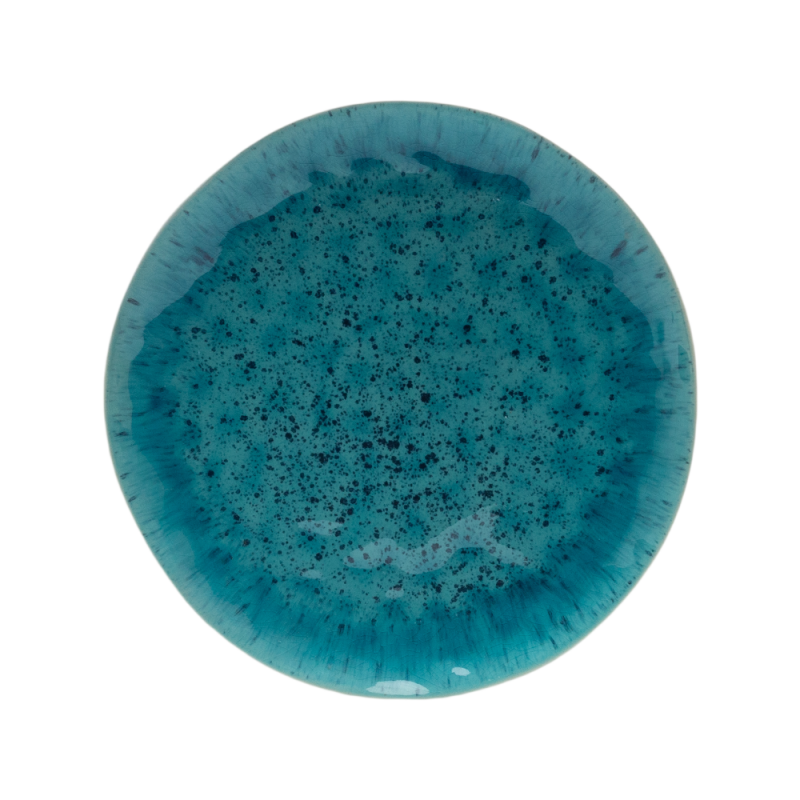
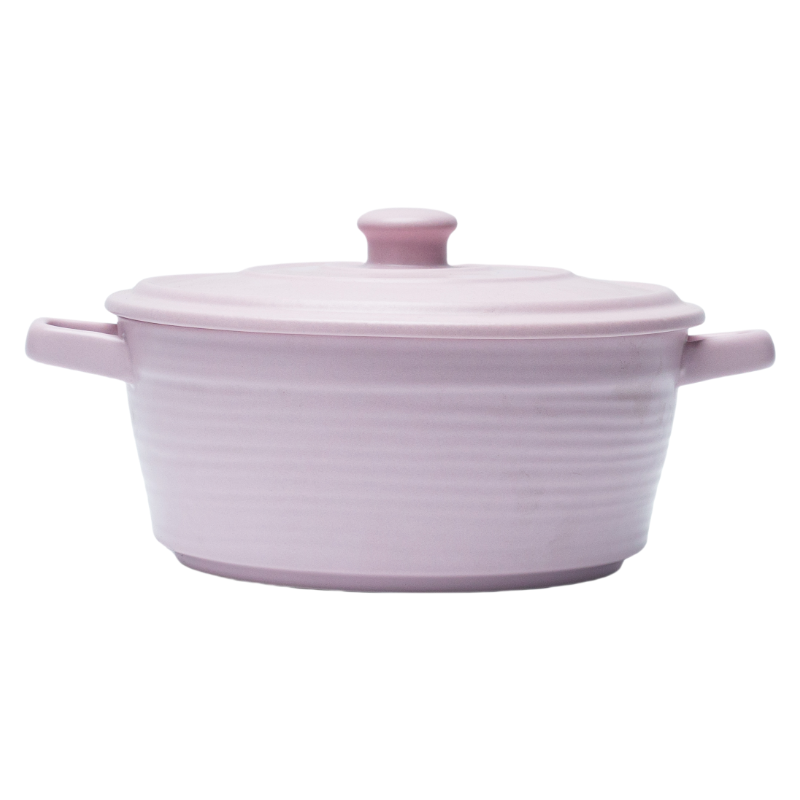
Products in this guide: Classic Ceramic Dinnerware Plate · Stoneware Casserole Dish with Lid
The commercial significance is direct. One EU food-contact framework governs all three countries, so a range prepared once, with its declaration of conformity, supporting test reports and the EU responsible-person details required by the General Product Safety Regulation (GPSR), can be sold across the whole region. Goods clear customs at the point of first entry into the EU and then circulate freely: no repeated customs procedure occurs when stock moves from Poland into Czechia or Hungary. The importer's work therefore concentrates in a few places — choosing channels, structuring price tiers, getting local-language labelling right, and planning logistics so that stock arrives when each channel is buying.
This guide is a practical, buyer-side working document for importers, distributors and hospitality procurement teams building a Central and Eastern European range. It reflects the official public framework as of September 2026, is not legal or tax advice, and cites no specific duties or figures. If you are less familiar with this part of Europe, start with our buyer's guide to sourcing ceramics for Europe's fragmented market, which explains how one range can serve several mid-size markets at once.
Channel Map: Modern Retail, Discount, Local and the Trade
Demand runs through four channel families, each wanting a slightly different product story.
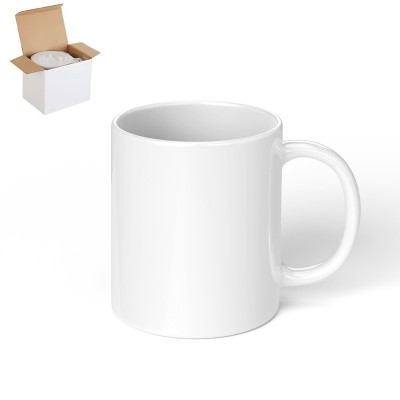
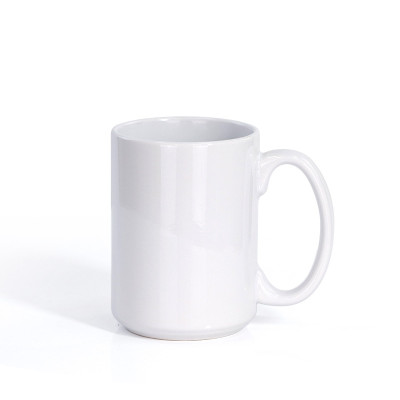
- Modern retail and discount. International chains and discount operators have deep penetration in Poland in particular, with similar formats across Czechia and Hungary. Buying is centralised and data-driven, and replenishment is constant. What wins is dependable basics: durable, stackable dinnerware, solid-colour bowls, large coffee mug formats for takeaway and workplace use, and oven-to-table pieces such as stoneware casseroles. Glaze consistency across batches matters as much as the original sample, and a complete compliance file per SKU is a condition of listing.
- Local and specialty retail. Independent kitchenware shops, gift outlets and department-style formats still carry a meaningful share of the mid-market. They look for ranges with a clear visual identity, pieces that work as gifts, and the ability to run seasonal decorations. Volumes per shop are modest, which is why a local distributor who consolidates demand across many doors is usually the practical route.
- Foodservice and hotel. Café culture is still expanding across the three countries, and restaurants, hotels and catering operations replace tableware on a constant cycle. Demand is steady and repeatable rather than seasonal: coffee cups and saucers, hotel breakfastware, daily-service plates and bowls, and oven-to-table dishes that do double duty. Hospitality buyers value a supplier who can hold one recipe and finish across several reorders.
- A note on local production. Central Europe has its own ceramics-producing tradition; Poland's Bolesławiec region is the best-known example. Local buyers know quality stoneware and cannot be sold on vague "European craft" claims. The realistic positioning for an imported range is a combination of differentiated design, consistent specification and a competitive landed cost against what local and Western European producers offer at the same tier.
Price Architecture: Three Tiers, Not One Market
Treating Poland, Czechia and Hungary as one uniform price level is a mistake. Demand is stratified into tiers that cut across all three countries, and a range that tries to sit in the middle of every tier usually wins none. The most practical structure is two or three deliberate tiers.
| Tier | Typical buyers | What usually wins the order |
|---|---|---|
| Volume and entry | Discount and chain buying teams, catering wholesalers | Durable, stackable basics at a competitive landed cost, consistent quality, reliable replenishment |
| Mid-range | Retail chains, cafés, hotel groups, specialty shops | Clean design, consistent matte or neutral glazes, flexible pack sizes, private-label options |
| Gift and upper | Gift retail, brands, department and premium foodservice | Distinctive decoration, presentation packaging, seasonal coherence across the range |
Two consequences follow. The same supplier can serve more than one tier if the range is deliberately segmented — volume buyers and gift buyers should not be shown the same product the same way. And the tier decision drives everything downstream: which glazes and finishes to develop, which packaging to buy, and which distributor can present the range credibly. Decide the tier before you build the range, not after.
Compliance Checklist: One EU Framework, Local Languages
Because all three countries are EU members, the compliance conversation is shorter than it looks — but it must be executed cleanly for three local markets.
- Declaration of conformity. Every food-contact ceramic item needs a DoC that matches the SKU as made, supported by test reports from the production it was actually made in. A report from a previous glaze or a different factory does not cover the product. Keep the evidence in one folder per SKU and refresh it whenever the body, glaze, decoration or firing changes.
- The GPSR responsible person. For consumer products, the GPSR requires an economic operator established in the EU who can be identified on the product and who holds the file. If you import from outside the EU, you or your importer become that operator, or you appoint an authorised representative. It is a standing obligation, not a one-time form; our GPSR guide for every importer selling into the EU walks through how to name the responsible party correctly.
- Local-language labelling. Consumer-facing information must reach consumers in the language of the market, so Polish, Czech or Hungarian text is expected on packaging and product information. For one container serving several countries, the practical answer is a multilingual backstamp, an outer-box print in the market language, or an agreed add-on label applied at the warehouse or by your distributor before the goods reach shelves. Decide the mechanism before production — retrofitting labels to thousands of pieces is expensive and error-prone.
- Decoration and print checks. If a backstamp or care instruction is printed in three languages, the artwork proof must be checked against every language version, and any change to a glaze or decal on a food-contact surface should trigger fresh confirmation that the product still matches its documentation. When in doubt, consult our complete certification checklist for selling ceramics in Europe, which lays out the full set of documents buyers and authorities will ask to see.
Rules here are updated from time to time; the governing reference is always the latest official announcement from the EU authorities and the relevant member state, not a third-party summary.
Import Documentation: Clearance and Free Circulation
The import mechanics rest on a single principle: once goods are cleared at the point of first entry into the EU, they are in free circulation and can move between Poland, Czechia and Hungary with no further customs procedure. So instead of preparing a different import file per country, you prepare one clean clearance file at the EU border and treat onward movements as ordinary commercial deliveries.
The clearance file should contain, at minimum: the commercial invoice; the packing list; the transport documents; the declaration of conformity and supporting test reports for each SKU; the details of the GPSR responsible person where consumer products are involved; and label or packaging proofs. These are the same documents the compliance file holds per SKU, which is a good reason to keep one standing file rather than rebuilding paperwork for every order.
Two points deserve emphasis. First, decide before shipping who handles clearance at the EU border, what Incoterms cover, and which entity appears on the customs entry; a first-time importer with no EU presence will usually appoint a customs agent and an importer of record. Second, a VAT mechanism applies to imports and intra-EU sales, and registration and reporting obligations differ by country and by sales structure. This guide deliberately gives no figures on duties or tax; confirm your structure with a customs broker and a tax adviser who covers the region.
Logistics and Stocking: Road and Sea to a Polish Hub
The most common routing for a Chinese ceramic programme is sea freight to a Polish hub, customs clearance, then road or rail distribution across the three markets. Some buyers prefer landing at a larger Western European hub and moving overland; rail from Asia into the region also exists. The route matters less than the discipline around it: every option is measured in weeks, so the further a season's stock has to travel, the earlier the order must be placed.
Build the ordering calendar backwards from the delivery window. Start with the date the goods must be on the shelf, then subtract the supplier's production time, the transport leg and a buffer for port processing, seasonal congestion and occasional delays. In peak seasons, factory and vessel capacity tighten, so the buffer must grow. Safety stock at a Polish warehouse or with a distributor near the season is usually cheaper than an urgent air-freight top-up — and it is the difference between missing a Christmas listing window and being the supplier who reliably filled it.
The Seasonal Calendar: Christmas, Easter and the Spring Refresh
Demand follows two main beats, and an import programme should be built around both.
- Christmas is the largest event of the year. Gift retail, seasonal dinnerware, festive foodservice and corporate gifting all peak in the run-up to the holiday, and retailers finalise festive listings well before the consumer season begins. Order windows for Christmas stock therefore close months earlier than a consumer would assume. Plan this calendar item first, book production capacity early and have the goods at the hub in good time.
- Easter and the spring refresh form the second beat. Cafés and restaurants refresh their ranges in spring, hotel breakfast programmes change over, and specialty and gift retail restocks after winter. It is a smaller wave than Christmas but valuable as a second shipping opportunity before the quiet summer period.
A twelve-month planning calendar with two or three defined order windows is the practical way to manage both beats, and it protects the supplier relationship as well as the shelf position: suppliers who see a forward schedule deliver better than suppliers asked for everything in an emergency. Fold trade-fair timing into the same calendar; dates and participation requirements are published by each organiser for the year concerned.
Reaching Buyers: Distributors, Trade Fairs and the Local Touch
Entry into the region usually runs through two complementary routes.
- Local distributors and wholesalers are the gatekeepers to both modern retail and foodservice. A distributor who already holds listings with chain buying teams, catering wholesalers and hotel groups can place a range far faster than a foreign supplier calling cold. When evaluating one, ask what they lack in their ceramics range, which tiers they serve, whether they can apply local-language labels, and how they replenish hospitality accounts. The right partner turns your compliance file and tier structure into part of their own sales story.
- Trade fairs provide the meeting ground. Regional sector fairs let you meet distributors, retail buyers and hospitality procurement teams in a few days, and to show a range that is presentation-ready: sample sets, local-language packaging proofs and a compliance pack a buyer can take away. Fair dates and formats are set by each organiser for the year in question — confirm them directly before committing a team to travel.
Two cultural points matter in negotiation. English is widely used in trade, so communication is rarely a barrier, but products must carry Polish, Czech or Hungarian text where consumer information is concerned, and translated sales materials outperform English-only brochures. And because the region knows ceramics well, buyers will judge the range on specification, finish and landed cost rather than storytelling. Bring a range that survives that scrutiny.
Self-Check List Before You Commit
Run through this list with your supplier and your sales plan before placing the first order for a CEE programme.
- Intended use defined for every SKU, with a matching DoC and test report from actual production.
- GPSR responsible person named for consumer products, with details confirmed for packaging.
- Labels, backstamps and packaging text finalised in Polish, Czech and Hungarian, or a costed multilingual sticker plan agreed before production.
- Artwork locked; supplier committed to written notice of any change to body, glaze, decoration or firing.
- Tier strategy decided — which SKUs sit in volume, mid-range and gift, and who sells each.
- Channels mapped per country, with a distributor or direct route identified for each.
- Clearance plan agreed: who clears at the EU border, which Incoterms apply, which entity is importer of record.
- Logistics route fixed, with the Polish hub or alternative entry point and onward legs understood.
- A twelve-month order calendar with windows reversed from Christmas and spring delivery targets and buffers built in.
- A standing file with one folder per SKU, an annual review date and a named owner, so paperwork survives staff changes and customer audits.
This guide reflects the official public framework for the region as of September 2026, based on general sourcing practice and official public sources. It is not legal or tax advice. Where a rule, duty or labelling requirement applies to a specific shipment, the governing reference is the latest official announcement from the EU authorities and the relevant member state.
"Practical Ceramic Range for CEE Markets"
Explore products featured in this guide:
Have questions? See our Sizes & Finishes FAQ and Ordering & Certifications FAQ.
Need a custom quote? Send an inquiry or browse our full product catalog.