Sourcing Ceramics for Australia and New Zealand: The Café-First Market Guide
The 7 A.M. Flat White Test
The queue is on the footpath outside a Melbourne café at seven in the morning, and most orders are the same drink: a flat white, the milk-coffee format that Melbourne — routinely described as one of the world's great coffee cities — has made its own. By mid-morning a large share of those coffees is leaving in takeaway cups. By lunch the same room is serving brunch on ceramic plates from the same supplier lists. Coffee is not a beverage category in Australia and New Zealand; it is the operating rhythm of hospitality, and it runs on ceramic.
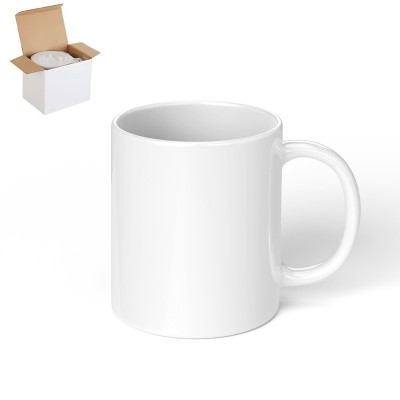
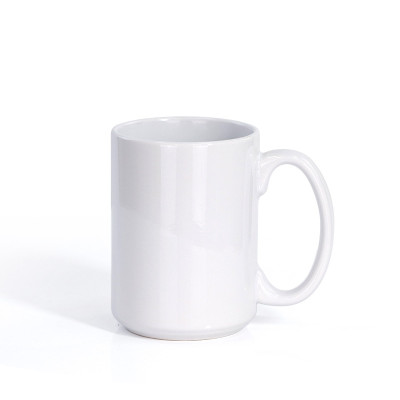
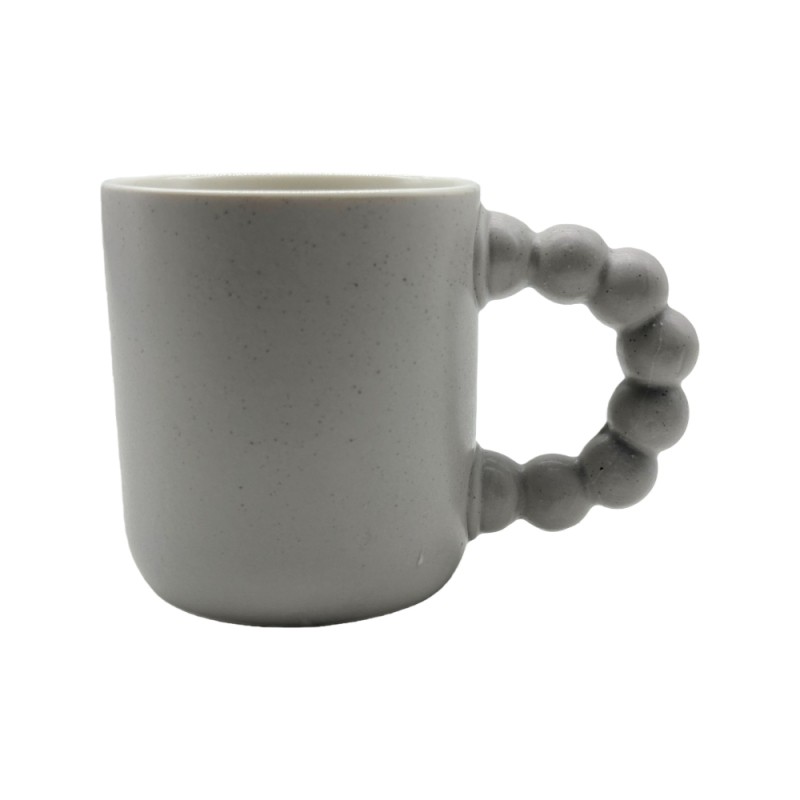
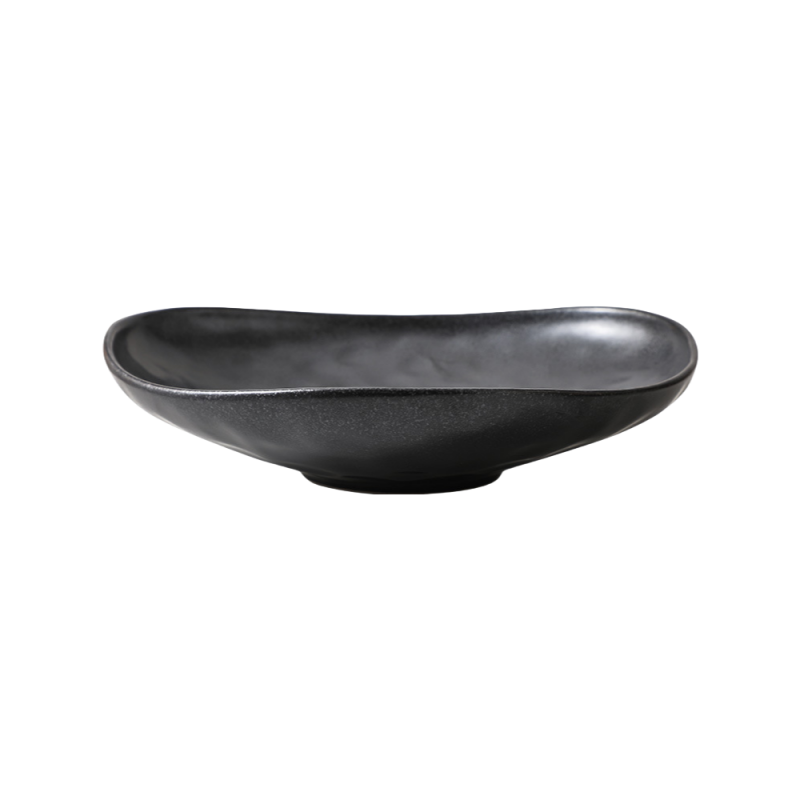
Products in this guide: New Bone China Ceramic Mug · Custom Ceramic Dinnerware Salad Plate
For a supplier or importer of ceramic tableware, that rhythm is a specific, repeatable demand: mugs, cup-and-saucer sets and plates built for café service and takeaway, in two compact English-speaking markets with mature specialty-coffee habits, dense independent cafés, and chains, hotels and food-service groups that buy in structured volume. Australia and New Zealand are a primary market with their own calendar, compliance expectations and buying style — not a fill-in market for the northern off-season.
This guide is a working brief for importers, brand owners and food-service or retail groups sourcing ceramics for the AU/NZ market. It is built from practical sourcing logic and from the official public framework as it stood in September 2026. It is not legal or tax advice, quotes no rates, limits or fees, and defers on every rule to the latest official announcement of the relevant market authority.
The Channel Map: Importers, Distributors and the Cafés at the End of the Line
Ceramics do not travel from a Chinese factory to an AU/NZ café in one step. The goods move through layers, and your margin, paperwork and risk change with the layer you sell into.
- Importers and distributors hold the customs relationship, keep local stock and sell to cafés, restaurants and retailers. They carry the clearance, biosecurity and tax mechanics described later, which makes them the usual first port of call for an overseas factory or brand. They buy on landed cost, supply consistency and documentation that survives an audit.
- National café chains and roasters buy in structured volume, run their own quality programs and often specify the body, glaze and capacity of their cups. Winning them means passing supplier qualification, through a head-office buying team.
- Independent cafés rarely import directly; they buy what the distributor stocks, which is why the distributor's range often decides what actually sells.
- Hotel and food-service groups extend the brunch-and-café culture into hotels, pubs, caterers and workplace food halls. They buy matched plate, bowl and mug programs, demand chip-resistant, stackable product, and order on renovation and seasonal cycles.
- Supermarket and retail private label is formal sourcing: tenders, specification sheets, test reports against a named standard and delivery windows tied to a program calendar.
Your role decides the file you build. Sell to an importer and the job is product consistency plus clean export documentation; target a chain or private-label program and the job is a qualification package built before the first order. Either way, you sell through people who must re-sell your goods with confidence, so a stronger file makes a stronger sale. When the product itself is the question — capacities, rim and handle shapes that survive a busy counter and a takeaway rush — our coffee cup sourcing map runs through the formats you can offer these channels.
The Compliance File Your AU/NZ Customers Will Ask For
Food and food-contact materials in both countries sit under one joint authority, FSANZ (the Australia New Zealand Food Standards Authority), which administers the Food Standards Code applying in Australia and New Zealand. Two features matter to a ceramics buyer.
First, the framework is general, not list-based. Unlike the European Union or the United States, AU/NZ operate no national permitted-substance list for food-contact materials. The Code sets a general safety requirement: a food-contact article must not transfer substances to food in quantities that would harm health. The baseline is a safety outcome, demonstrated by testing against an accepted standard.
Second, the accepted reference for ceramics is the Australian standard AS 4371:2012, which sets migration limits for lead and cadmium from ceramic tableware. Large retailers and food-service groups commonly write AS 4371:2012, or an internationally recognised equivalent, into acceptance criteria. Because it is a reference benchmark rather than a prescriptive law, it only does its work when you name it in the specification and purchase order. Ask every supplier: which standard does your report follow, and does it cover the actual body, glaze and decoration I plan to ship?
Beyond chemistry, the practical compliance file runs on three lines, each with a document behind it.
| Checklist line | Why the market cares | What to ask for |
|---|---|---|
| Country-of-origin marking | Ceramics must identify where they were made | Markings on goods and cartons matching the invoice |
| True product description | Customs releases cargo on accurate descriptions | Invoice and packing-list descriptions that match the goods |
| Wood-packaging biosecurity | Border screening is strict on untreated timber | ISPM 15 treatment markings on the packing list |
| Named-standard test reports | Retailers and chains make them an acceptance condition | A dated report against AS 4371:2012 or the standard your customer names |
Do not assume a European or North American file transfers unchanged: the AU/NZ file runs on general conformity under the Food Standards Code, AS 4371:2012 testing, origin marking and a biosecurity-ready packing declaration. Build that file before your customer asks for it.
Import and Documentation: What Moves Through the Border With Your Cargo
Australian clearance runs on advance lodgement: the importer or its agent files cargo and goods information through the border's integrated cargo system before the vessel arrives, so inspection and release decisions are largely taken before landing. New Zealand follows the same logic of advance screening, with biosecurity at its centre. Sourcing from China, the consequence is blunt: documents must be complete at the port of loading, because the window to fix a missing paper is the voyage itself.
The document set is familiar, with AU/NZ twists:
- A commercial invoice and packing list that match each other and the goods, with wood-packaging treatment markings shown where timber is used.
- Transport documents, consistent with the invoice.
- Test reports and declarations, dated and traceable to the batch on board.
- Country-of-origin information consistent across goods, cartons and invoice.
- The GST filing. Both countries apply a goods and services tax declared at import clearance. This guide quotes no rate or threshold: GST is declared at clearance, and the applicable rate and any thresholds are set by the current rules of the Australian and New Zealand tax authorities. Confirm your cargo's treatment with your agent or accountant against those current rules; it is the layer that changes most often.
All of this falls on the importer of record — another reason the distributor channel is the practical entry point. The in-market importer owns the filing, the biosecurity relationship and the tax mechanics; you own the product side, which is exactly the part a factory can get wrong quietly. Put the supplier's obligations in writing — accurate documents, named-standard reports, packing declarations, and notice of any change to the approved specification — in the purchase order and contract, so a customs query is answered by a document trail, not a phone call. For the full process from requirement to production order — sampling, specification lock, quality and shipping terms — our complete guide to sourcing custom ceramic mugs from China works through it end to end.
Logistics and Timing: Plan to a Southern-Hemisphere Calendar
The most common mistake northern buying teams make with AU/NZ is importing their own season logic. The two countries sit in the southern hemisphere: the local summer peak — Christmas and New Year, which is also high summer — runs November to January, and their winter falls in your mid-year. A program planned on northern gifting dates will land in the wrong season.
Plan backwards from the local event. Sea freight from China to Australian and New Zealand ports is measured in weeks, not days. Arrival date is the sum of production, packing, the loading port call, transit and clearance — and the shipping calendar itself counts, because vessel space tightens around the northern holidays just before the AU/NZ peak, competing for the same capacity.
Buyers who run these programs smoothly follow a few rules: fix the required arrival date from the customer's program, refit date or launch, then subtract the weeks of transit plus production time to set the latest order and loading dates; load before the shipping rush, not into it — the northern pre-Christmas peak and the Chinese New Year break both squeeze the routes feeding AU/NZ; order seasonal and branded programs earlier than feels comfortable, because a distributor stocking for November needs the container in hand in the weeks before; and treat the factory's committed loading date, not its promised delivery date, as the milestone you manage.
Buyers running a parallel Southeast Asia program will recognise the same logic on different festival peaks: our sourcing playbook for Southeast Asia plans around its own holiday calendar, a useful check that your scheduling is local rather than a habit copied between markets.
The Procurement Calendar: Christmas Before the Summer Crowds
AU/NZ retail concentrates its gifting and tabletop season at the end of the calendar year, in the local summer. Gift mugs, festive dinnerware and tableware for the summer hospitality peak must reach shelves and distributor warehouses by November, pushing order decisions back months on a calendar that does not match a northern buying year.
Three beats shape it:
- The Christmas and summer program. Work backwards from an arrival in the weeks before the peak. Because the peak falls in early summer, the practical buying window sits earlier in the year than northern buyers expect; decide the program, lock the specification and place production so the container sails before the late-year capacity squeeze.
- Retail range planning. Grocery and homeware private-label programs are planned months ahead of shelf date. The retailer's range-review window fixes your sample dates and specification freezes, so ask the buying team for the planning calendar in your category. Miss the window and the program waits a year.
- Trade events. The region runs its own tableware, hospitality and retail trade events, and dates move year to year. Confirm against the organiser's announcement for the current year, never last year's brochure.
Keep one master calendar with three columns — local peak, needed arrival date, latest committed loading date. When one drifts, the others move with it.
Getting a Route to Market: Agents, Distributors and the Local Partner
The realistic question for an overseas factory or brand is not whether the market is worth the effort — the demand is there — but how to enter without absorbing the import mechanics one shipment at a time. The workable routes are few:
- Sell to an in-market importer. The importer owns customs, biosecurity, GST and warehousing and buys in container volumes. Your side is product stability, named-standard test reports, reliable packing declarations and honest lead times — the lowest-friction entry, where most overseas suppliers start.
- Appoint an agent or distributor for a defined segment. A café-channel distributor is not a private-label one; a focused agreement beats a vague national mandate. Define territory, segments, program volumes and how you keep national-chain accounts direct.
- Go direct to chains with a local representative. Chains buy centrally but want a local contact for samples, lead-time and quality questions. A commission agent or small office supplies that presence while the buying decision stays with you.
- Use the trade calendar as a meeting point. Hospitality and tableware trade events gather buyers and distributors on published dates; with dates and venues as announced by the organisers for the current year, they are the practical place to qualify the two or three partners you actually need.
Every working route splits labour cleanly: someone in-market carries the import mechanics; the factory relationship supplies consistent quality and honest scheduling. Before signing a partner agreement, write down how enquiries are attributed, who owns the customer relationship and what happens to accounts you brought in yourself. Ambiguity here is how good programs lose their best accounts to a partner who assumed they were his.
The Buyer's Self-Check Before You Commit the Order
Run this list once before signing an AU/NZ order. If every line is answerable from your files, the shipment will be the easy part.
- Do I know which channel I am selling into, and which layer owns customs, biosecurity and GST?
- Is my product file built on general conformity under the Food Standards Code, with a dated report against AS 4371:2012 or the internationally recognised standard my customer names?
- Do goods and documents carry country-of-origin marking and accurate descriptions, consistent from factory floor to invoice?
- Is the wood-packaging treatment confirmed with my forwarder before loading, with markings on the packing list?
- Have I checked the GST treatment of my cargo against the tax rules current at import?
- Is my arrival date set backwards from the local summer and Christmas peak, with transit in weeks and a buffer before the shipping rush?
- Do seasonal and private-label orders fit my customer's range-planning windows?
- Have I verified this year's trade-event dates against the organiser's announcement?
- Are the supplier's documentation and change-notification obligations written into the order and contract?
An AU/NZ program rewards the buyer who treats café culture and Christmas as one planning problem: the mug in the morning queue and the gift under the tree run on the same calendar, and both run on ceramic. The rule governing any point in the market is the latest official announcement of the relevant Australian or New Zealand authority, and this guide reflects the official public framework as of September 2026. Use it as operational guidance for buyers, not as legal or tax advice.
"Café-Grade Ceramic Tableware for Your AU/NZ Program"
Explore products featured in this guide:
Have questions? See our Sizes & Finishes FAQ and Ordering & Certifications FAQ.
Need a custom quote? Send an inquiry or browse our full product catalog.