
Sending Samples: Courier, Paperwork and Customs
The Sample Is the Critical Path
A production schedule has many steps, but most of them can be compressed. Sample transit cannot. If the pre-production sample sits in customs for a week, the whole plan moves by a week — and it moves after the buyer has already promised a launch date.
Products in this guide: 11oz Sublimation Blank Ceramic Mug · 11oz Sublimation Magic Mug
Sample shipping looks like admin. It is actually schedule control.
Which Way the Samples Go
Samples move in both directions, and each direction has its own paperwork:
- Factory to buyer — the pre-production sample, colour swatches, and any physical references the buyer needs to approve.
- Buyer to factory — a reference piece, a competitor product to match, artwork proofs, or an approved sample being returned for reworking.
- Third destinations — samples sent to an end client, a testing laboratory, or a trade fair.
The paperwork is the same shape in every case, and so is where it goes wrong.
The Documents That Matter
- A commercial invoice with a real value. Declaring "no commercial value" is a common habit and a common cause of delay: customs officials value goods on their own terms, and an invoice with no value on it invites a hold. A nominal but defensible value is the practical answer.
- A clear description and HS code. The description should say what the item is, not what it is for — a mug is a ceramic mug, and the code follows the material.
- "Sample — not for resale" stated plainly on both invoice and carton. Some destinations accept this for certain relief mechanisms; none accept it as a substitute for a value.
- Material and finish detail where the sample contains more than one material (ceramic body plus a silicone gasket, a lid, or a bamboo component). Customs classify the whole item, and mixed materials attract questions.
- A packing list when the parcel contains more than one item or more than one carton.
- Photographs taken before sealing. If a sample arrives damaged or does not arrive at all, the photograph is what supports the claim.
Duties, Taxes and Who Pays
The invoiced value determines the duty and tax that will be assessed, and the shipping terms determine who is asked to pay it:
- Buyer's courier account is the simplest arrangement and the most common between established partners. The buyer's own account number is billed directly.
- DAP — the sender arranges carriage to the destination but the receiver pays duty and tax.
- DDP — the sender pays everything, including duty and tax. This is convenient for the buyer and requires the sender to know the destination's requirements in advance.
Labelling a sample as a gift to avoid duty is a customs offence in most jurisdictions, not a clever shortcut. It also removes the invoice that the receiving side needs to clear the goods.
Cost and Time Control
- Consolidate. Several samples sent in one parcel usually cost less than the same samples sent separately, and they arrive together — which matters if the buyer is comparing them.
- Match the service to the deadline. Express couriers are the default for samples because the sample is usually on a critical path. Cheaper services may save cost on a sample that is not yet needed, and lose money on one that is.
- Build transit into the schedule. The plan should show courier transit, customs clearance and delivery as separate items with their own days, not as a single assumption.
- Track and confirm delivery. "Shipped" is not "received". Confirm arrival and condition, because the clock on approval only starts when the sample is in the buyer's hands.
- Return or archive. Agreed reference samples should be labelled, dated and archived. A reference that cannot be found is the same as no reference.
Where It Goes Wrong
- Undervalued invoice. Released late, with a penalty, or held pending explanation.
- Vague description. "Promotional goods" tells customs nothing and invites inspection.
- Missing material detail on a mixed item. The parcel is opened, and the delay begins.
- Sending to a personal address when the destination requires a registered importer, which leaves the receiver unable to clear the goods at all.
- No record of what was in the parcel. Damage or loss becomes unprovable.
For the surrounding decisions, see <a href="https://www.storiwareceramicmugs.com/oid1757203/The-Custom-Mug-Programme-Buyer-Guides-by-Decision.htm">the custom mug programme guides</a>, which place sampling in the development sequence, and the <a href="https://www.storiwareceramicmugs.com/oid1757097/Ceramic-Packaging-Container-Freight-Hub.htm">packaging, container and freight hub</a> for how goods move once a programme is running. Our <a href="https://www.storiwareceramicmugs.com/oid1756307/Custom-Ceramic-Mugs-Bulk-Order-Factory-Direct-from-China.htm">bulk order programme</a> explains how samples are scheduled against production. To arrange a sample shipment, <a href="/contact-us.htm">send the destination, the courier account and the items required</a>.
The spec freeze guide explains how artwork and packing files are locked between orders.
What to Put in the Order
- A stated sample value that customs can accept.
- A precise description and HS code on the invoice.
- Material detail for every component of the sample.
- The shipping term named — buyer's account, DAP or DDP.
- Sample transit shown separately in the production schedule.
- A pre-shipment photograph, and confirmation of arrival and condition.
The packaging guide explains how retail-ready and protective layers are specified together.
The Habit That Ties It Together
The habit is to treat a sample parcel like an order: value, description, tracking and a record of what went in it.
Related Products
Explore products featured in this guide:
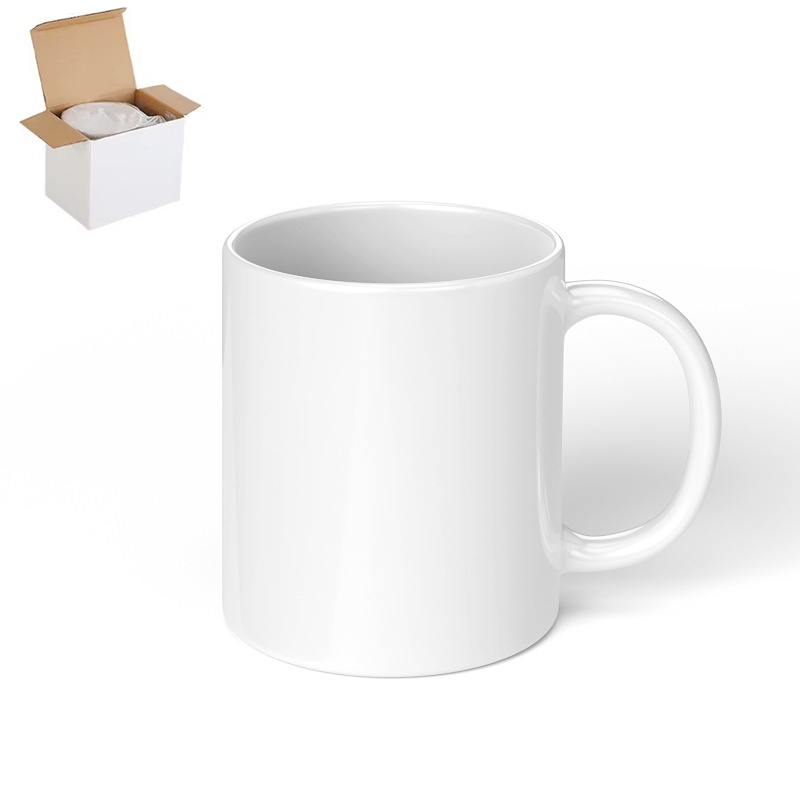
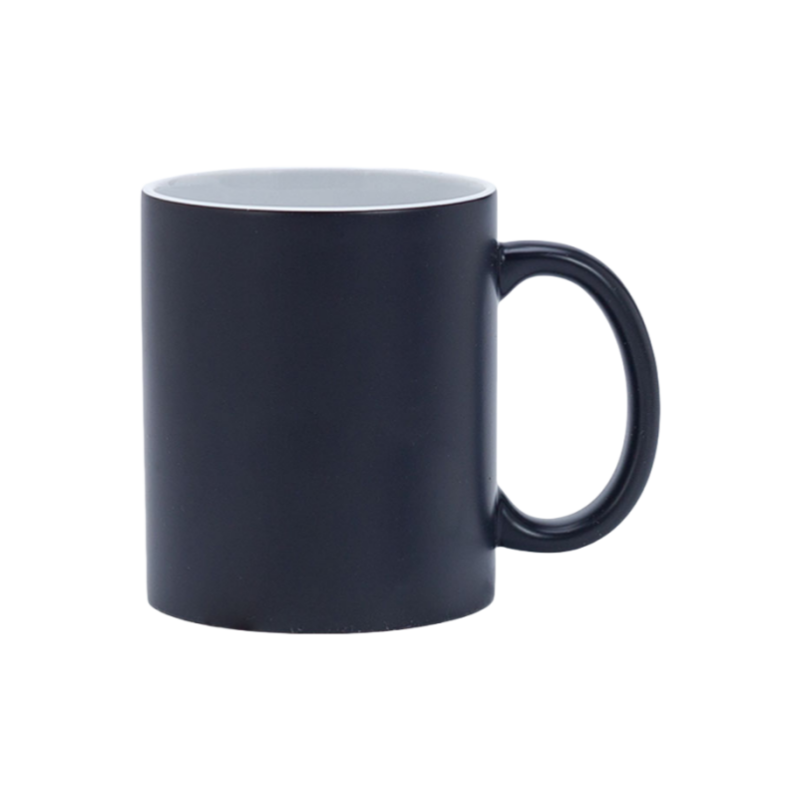
Have questions? See our Sizes & Finishes FAQ and Ordering & Certifications FAQ.
Need a custom quote? Send an inquiry or browse our full product catalog.

