Selling Ceramics into North America: The Compliance, Channels and Buyer Profiles Importers Must Know
North America Buys Differently — and Buys Big
North America is the largest single ceramic import market, and it is the most compliance-driven: a US or Canadian buyer asks for the same quality as Europe and adds a documentation standard of its own. The buyers who treat North America as "just another market" lose deals to buyers who arrive with the paperwork ready. This guide covers the compliance that gates entry, the channels that move volume, the buyer profiles, and how the tariff environment shapes sourcing today.
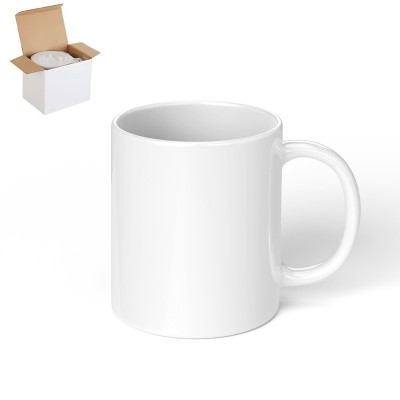
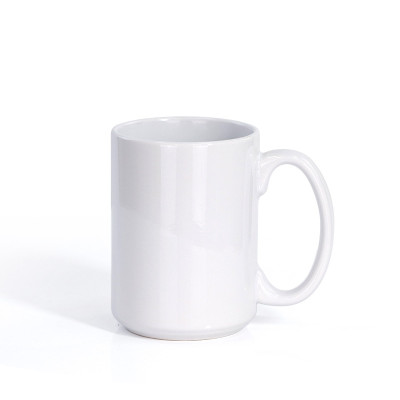
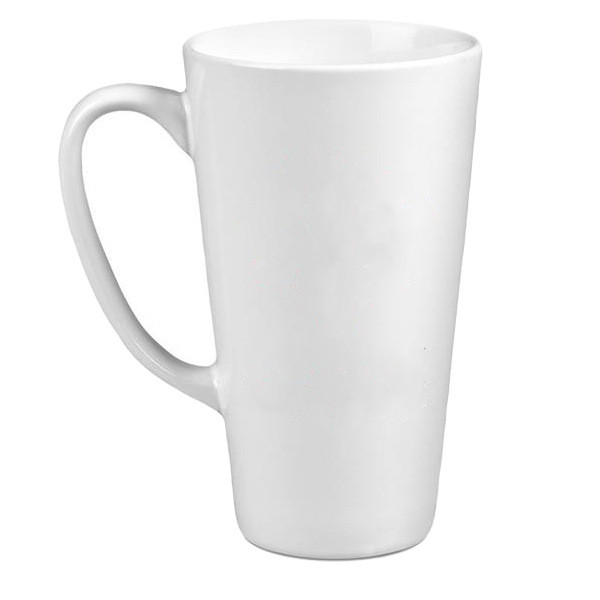
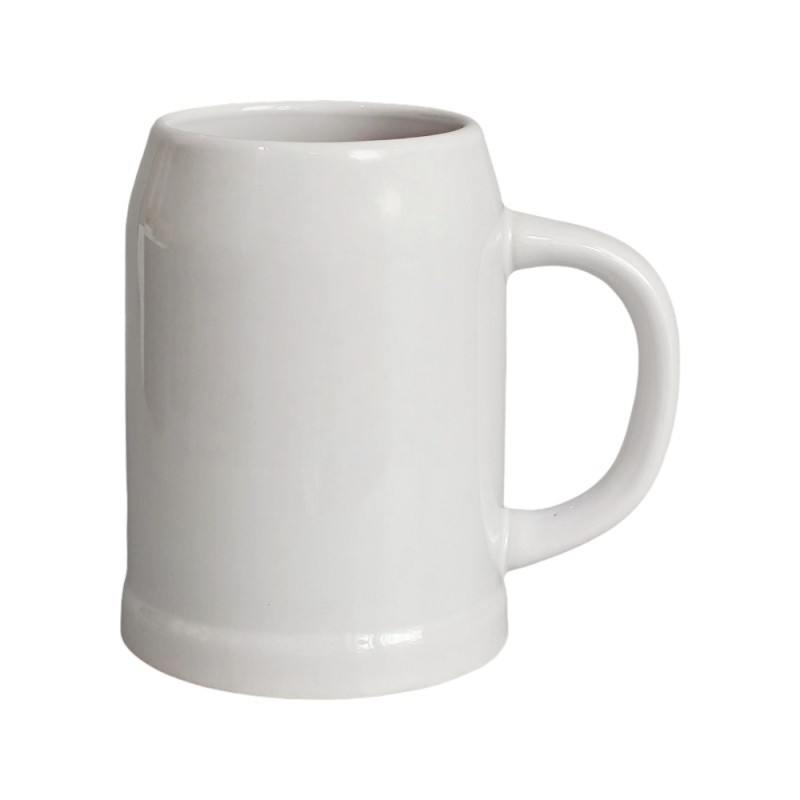
Products in this guide: Blank Sublimation Latte Mug · 0.5L Ceramic Beer Stein
Compliance: The Entry Gate
North American compliance has two layers every importer must have ready:
- FDA food-contact compliance: ceramic tableware sold for food use must meet FDA limits on lead and cadmium migration (21 CFR 1096). The factory's test reports must be current and issuable per product; a US buyer will ask for them before the first PO, and a customs or FDA audit will ask again.
- California Proposition 65: any product sold in California (which is effectively the national market) requires a Prop 65 warning if it exceeds the strict lead/cadmium thresholds. Many suppliers pre-print the warning on the box or include it as a label — the alternative is a lawsuit-prone omission. Compliance here is a labeling decision, made at design time, not at customs.
The practical rule: ship every North American program with the FDA report per product and the Prop 65 position decided (no-lead glaze, or warning label). The documentation is the entry ticket — buyers who arrive with it negotiate; buyers without it get asked to come back.
The Channels That Move Volume
North American ceramic volume flows through four channels:
- Importers and distributors: the largest channel — they buy containers, hold stock, and supply retailers and food service. They negotiate on volume, delivery reliability and compliance documentation (see our supplier-scorecard guide for what they measure).
- Brand owners and private-label programs: brands that source custom or decorated ceramics under their own labels — the OEM and private-label models covered in our E-series guides. They buy on design capability, MOQ flexibility and brand-standard quality.
- Retailers (direct and indirect): large retail chains buying direct or through importers — seasonal programs, gift sets and private-label lines. They buy on the full-year calendar (see our buying-calendar guide) and are unforgiving on delivery.
- Food service and hospitality: restaurant chains, hotels and catering groups — daily-use ware with commercial durability requirements (see our chain-standard and hotel guides). They buy on spec sheets, dishwasher cycles and replacement reliability.
The Buyer Profiles
The typical North American ceramic buyer differs by channel, but shares three expectations:
- Documentation first: the FDA report, the Prop 65 position, the carton spec and the delivery schedule are asked for before the price. Arrive with the file, not the promise.
- Reliability over price: North American buyers have been burned by suppliers who quote low and deliver late — the reliable supplier with a mid-range price wins more repeat business than the cheapest quote that slips. Delivery reliability is the #1 scoring dimension (see our supplier scorecard).
- Big volumes, long relationships: the market rewards committed programs — annual agreements, consolidated shipments, reorder discipline (see our inventory guide). A North American buyer thinks in containers and seasons, not pieces.
The Tariff Layer
The current tariff environment reshapes the sourcing decision: the US tariff increases on Chinese ceramics (covered in our US 50% tariff guide) have made cost routing part of the buyer's calculus. Three responses dominate:
- Cost re-routing: buyers compare direct China sourcing against Vietnam production and transshipment options (see our Vietnam-capacity guide) — the factory's origin story is now a cost factor.
- Bulk-forward buying: buyers accelerate orders to lock pre-tariff pricing and secure inventory — which is why container demand spikes before tariff changes.
- Supplier communication: the tariff-aware supplier names the origin, the HS code and the duty implication in the quote (see our quotation guide) — the supplier who helps the buyer model the duty cost wins the order.
The North American Checklist
Before targeting North American buyers, confirm: the FDA test reports are current and issuable per product; the Prop 65 position is decided (no-lead glaze or warning label) and applied to the packaging; the channel strategy is clear (importer/distributor, brand, retail or food service); the delivery reliability story is backed by data (on-time record, capacity, buffer — see our peak-logistics guide); and the quote names the origin, HS code and duty implication. North America is a big, documentation-first market — the suppliers who walk in with the file win the room.
"North-America-Ready Ceramic Programs"
Explore products featured in this guide:
Have questions? See our Sizes & Finishes FAQ and Ordering & Certifications FAQ.
Need a custom quote? Send an inquiry or browse our full product catalog.