
Seconds and B-Grade: Where the Cheap Identical Mug Comes From
A buyer approves a mug, places an order, and six months later finds the same shape online at roughly half the price. The first assumption is that the original factory was overcharging. The more common explanation is duller: it is the same mug, at a different grade, bought from the same kiln.
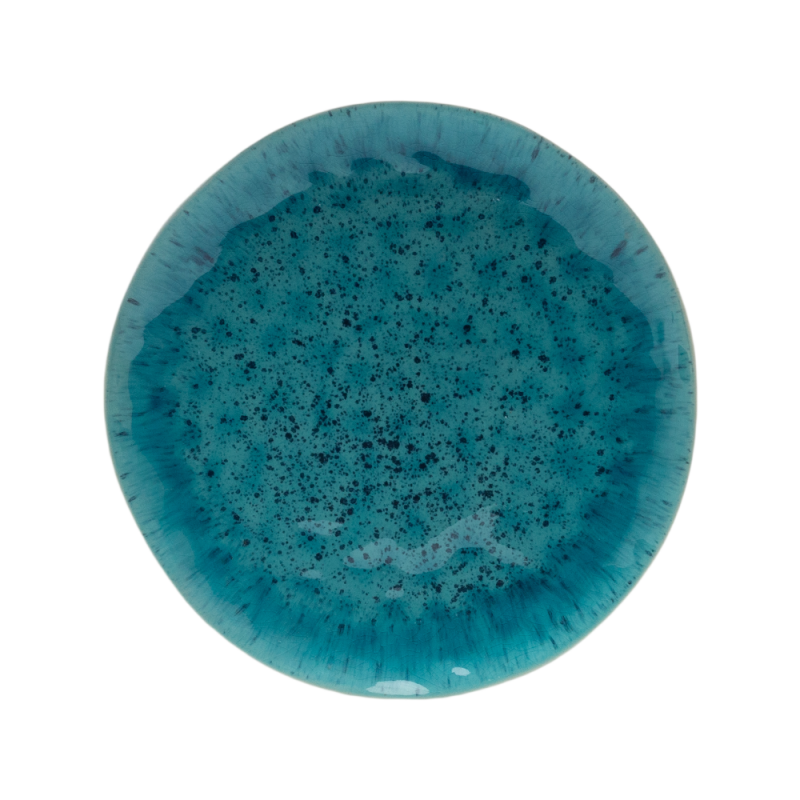
Products in this guide: Best Ceramic Dinnerware Plate – Cheap Ceramic Plates & Ceramic Dishware · Custom Ceramic Dinnerware Salad Plate
Seconds are not a rumour or a grey-market invention. They are a normal output of ceramic production, and every factory that fires a kiln produces them. What varies is how they are graded, who they are sold to, and whether anything is written down.
Where seconds come from
A fired mug can miss the approved standard in several distinct ways, and each produces a different kind of second.
Colour drift. Glaze and decoration shift between lots. A batch that sits outside the approved shade range is still a usable mug, but it is not the approved mug.
Surface defects. Pinholes, small blisters, crawling along a rim, glaze misses near the foot. Most are cosmetic, and most are visible from arm's length.
Decoration offset. A print or decal lands slightly off register, drops in intensity, or shifts after firing. On a logo mug this is the difference between a branded product and an unbranded one.
Deformation. An out-of-round rim, a base that rocks, a handle that leaned in the kiln. These affect use, not just appearance.
Overproduction. Factories run above the ordered quantity to cover losses. The surplus is not defective, but it is unapproved, and it has to go somewhere.
That last category matters more than buyers expect. Perfectly good mugs made against your artwork, outside your order, are the hardest kind of second to control.
The grading problem
The industry uses letters — A, B, C, sometimes "second" and "reject" — but there is no shared definition behind them. One factory's B-grade is another factory's A-grade on a good day, and a third factory's scrap.
This is not dishonesty. It is the absence of a standard. Grading is a set of thresholds about defect size, count per piece, colour difference and function, and each factory sets its own.
The practical consequence: a grade label on an invoice tells you almost nothing. What tells you something is a written grading standard with numbers in it — the maximum accepted defect size, how many defects per piece, how much colour difference is allowed, and which defects are functional rather than cosmetic.
Ask for that document before you discuss price. A supplier who cannot produce one is selling by adjective.
Three risks of buying seconds
Seconds look like a straightforward arbitrage: same product, lower price, sell it cheaper. The risks are not about quality. They are about everything around it.
The supply is not repeatable. Seconds arrive when they arrive. A batch exists because a run went slightly wrong, not because someone planned it. Building a product line on an unpredictable stream of defects means you cannot reorder, and you cannot promise anything to a retail customer.
Channels blur. The same body, the same artwork, two very different prices, in the same market. Your distributor finds it, your retail buyer finds it, and the conversation is no longer about your product but about why your price is double.
Approvals do not travel. A food-contact test report is issued against a specification, not against a category. If the grade has different glaze or a different firing pass, the paperwork may not describe what you are actually selling.
There is a fourth risk for anyone selling under someone else's brand: seconds made against a client's artwork are the client's property in most contracts, and reselling them is a licensing problem, not just a commercial one.
The master sample guide explains how sealed references keep batches identical.
If you buy seconds, put it in writing
Buying seconds is a legitimate decision for some channels — staff canteens, promotional giveaways where the mug is a vehicle, sample stock. It stops being legitimate when it is undocumented.
Four points belong in the agreement.
- The grading standard. The written thresholds, attached as an annex, not referenced by letter.
- The proportion. What share of the shipment may be B-grade, and what happens if it exceeds that.
- The permitted use. Which markets and channels the goods may enter, and which are excluded.
- Identification. Whether the goods carry a marking that separates them from A-grade, and who applies it.
The third point protects your own A-grade business as much as the buyer's. A cheap identical mug in the wrong channel costs more than the margin it earns.
If you sell A-grade, protect the line
The defensive side of the same problem is easier to manage than most suppliers think, and it starts with records.
Keep a sealed approved sample, and keep it sealed. It is the reference that separates a batch that drifted from a batch that was never right.
Keep batch records that tie a shipment to a production run and a date. When a customer sends a photo of a mug that is not what they ordered, the record answers the question in minutes instead of weeks.
Write the channel into the sales terms. A distributor agreement that does not mention which channels are permitted has not protected anyone.
And ask the factory, directly, what happens to overproduction and rejects. The answer is often "we handle it". A follow-up question about how is entirely reasonable, and it is the question that reveals whether your artwork is circulating.
The packaging guide explains how retail-ready and protective layers are specified together.
Seconds are a normal part of this industry. Treating them as a secret is what turns a normal by-product into a problem — for the brand that finds its mug underpriced in its own market, and for the buyer who cannot reorder what turned out to sell.
Related Products
Explore products featured in this guide:


Have questions? See our Sizes & Finishes FAQ and Ordering & Certifications FAQ.
Need a custom quote? Send an inquiry or browse our full product catalog.

