Sample Libraries and Catalogues: Managing the Assets That Actually Sell the Range
The Problem: The Sales Material Is Older Than the Stock
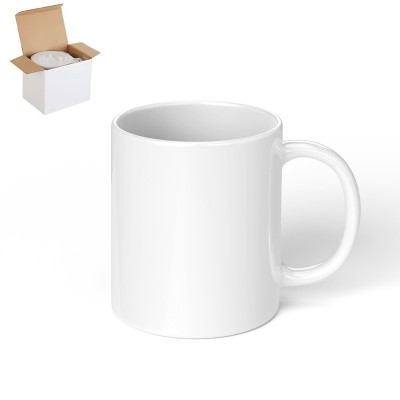
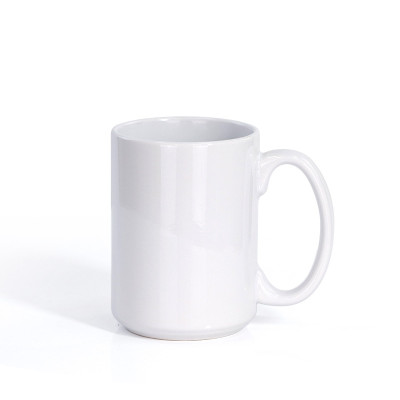
A customer requests a quotation for a bowl shown in the catalogue. The reference is real, the photograph is accurate, and the body was discontinued two seasons ago — nobody removed the page because nobody owns the catalogue. Meanwhile the sample room holds three versions of the same mug, only one of which matches what the factory currently fires, and the sales team is carrying whichever came to hand. Neither problem is dramatic, and together they produce a predictable sequence: a quotation that cannot be produced, a sample that does not match the delivered goods, and a customer who concludes that the supplier does not know their own range. The assets are sound; the management is missing.
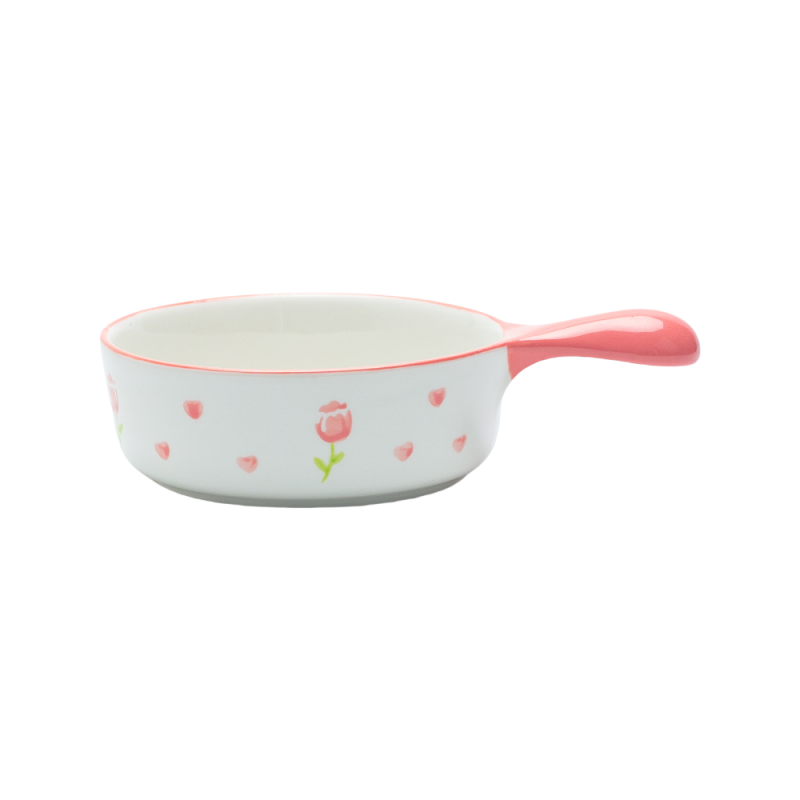
Products in this guide: Reactive Glaze Stoneware Plate · Cute Ceramic Bowl with Handle
Where This Fits in the Sourcing Chain
A sample library is an extension of the sealed reference that defines quality. The master sample guide explains how sealed references keep batches identical. Its accuracy depends on knowing which references are live, which is the retirement question handled deliberately rather than by accident. The SKU retirement guide explains how a line is phased out and replaced. And its renewal depends on the development pipeline feeding it new references with proper documentation. The new product development guide explains how a design becomes a producible item. The full chain follows the standard sourcing map. See the full ceramic sourcing process map.
What a Sample Library Should Hold
Four categories, each with a defined purpose, and a rule for each.
The sealed reference per body and glaze. One physical piece, sealed and dated, that defines what the finish is supposed to look like. This is the anchor: everything else is compared against it.
Current decoration references. One piece per active decoration, on the current body, replaced when the decoration changes. A decoration reference on a retired body is worse than no reference, because it invites a quotation that cannot be repeated.
A packing reference. One carton, one insert, one label as actually produced — because packing disputes are otherwise argued from memory.
The specification sheet. Every physical item in the library is accompanied by its written specification, so the person holding the sample can also see the dimensions, material, capacity and firing band. A sample without a specification is an ornament.
The Catalogue as a Controlled Document
The catalogue is a commercial document and should be managed like one. Three properties make it trustworthy. Accurate specifications, drawn from the specification sheets rather than from the original design brief. Live status, stating clearly which references are in production, which are seasonal and which are retired. A version date and an owner, so that the answer to "which catalogue are we quoting from" is never a discussion. The discipline is unglamorous and it removes an entire category of customer-facing error.
Keeping the Two in Step
Two rules keep physical and printed assets aligned. No sample without a specification sheet, because an undocumented sample will eventually be quoted from memory. No catalogue line without a live reference, which means a reference is retired from the catalogue when it is retired from production — the same moment, not a later one. And a periodic sweep, tied to the seasonal or annual calendar, keeps both current: new references in, retired ones out, materials refreshed where they have aged. The SKU retirement guide explains how a line is phased out and replaced.
Retiring Without Losing the Record
Retirement is not deletion. When a reference leaves the catalogue, the sample and its specification sheet should move to an archive rather than leave the building, because the most common customer question about a retired item is "can you still make it" — and the answer is far easier to give from a specification than from a photograph. This is the same discipline the retirement process requires commercially, applied to the assets that describe the range. The SKU retirement guide explains how a line is phased out and replaced.
The Habit That Ties It Together
The habit is to treat samples and catalogues as inventory: owned, dated, versioned and swept on a schedule. Programs that do this quote only what they can produce and show only what they can repeat. Programs that do not discover the cost of stale assets one disappointed customer at a time — which is an expensive way to learn that the sample room is part of the sales process.
Related Products
Explore products featured in this guide:



Have questions? See our Sizes & Finishes FAQ and Ordering & Certifications FAQ.
Need a custom quote? Send an inquiry or browse our full product catalog.