Sales Packaging and Gift-Box Specifications: The Box That Sells Your Ceramic
The Box Is Part of the Product
The carton that protects the shipment is not the box that sells the product. Sales packaging - the gift box, the display carton, the hang card - is the first thing your customer's customer sees, and for a gift program or a retail launch it decides whether the product feels premium or generic. This guide covers the four packaging decisions, the specification sheet that makes them repeatable, and the retail-ready checklist that keeps the box on the shelf.
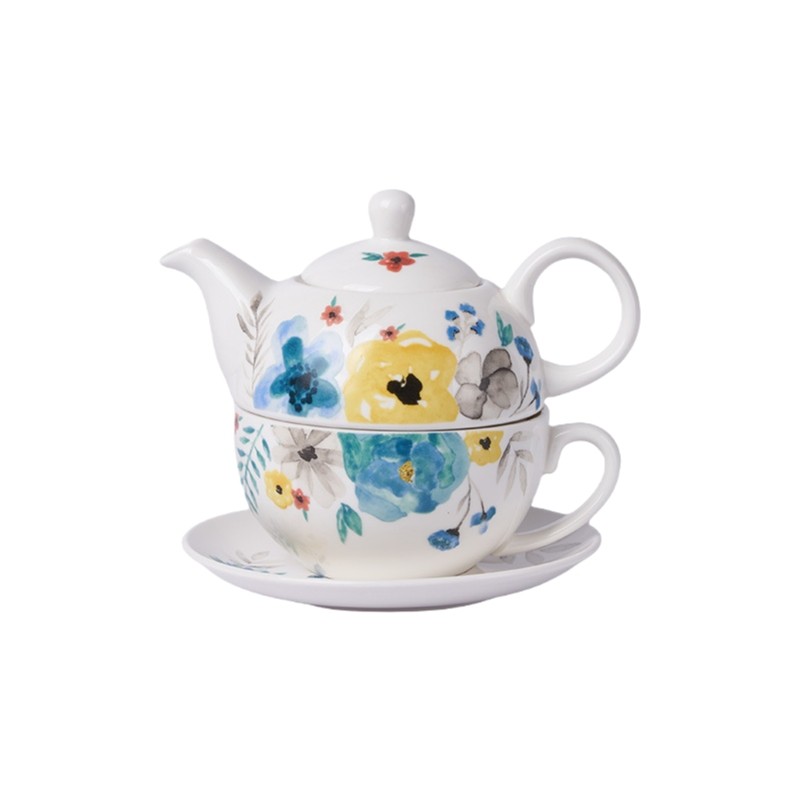
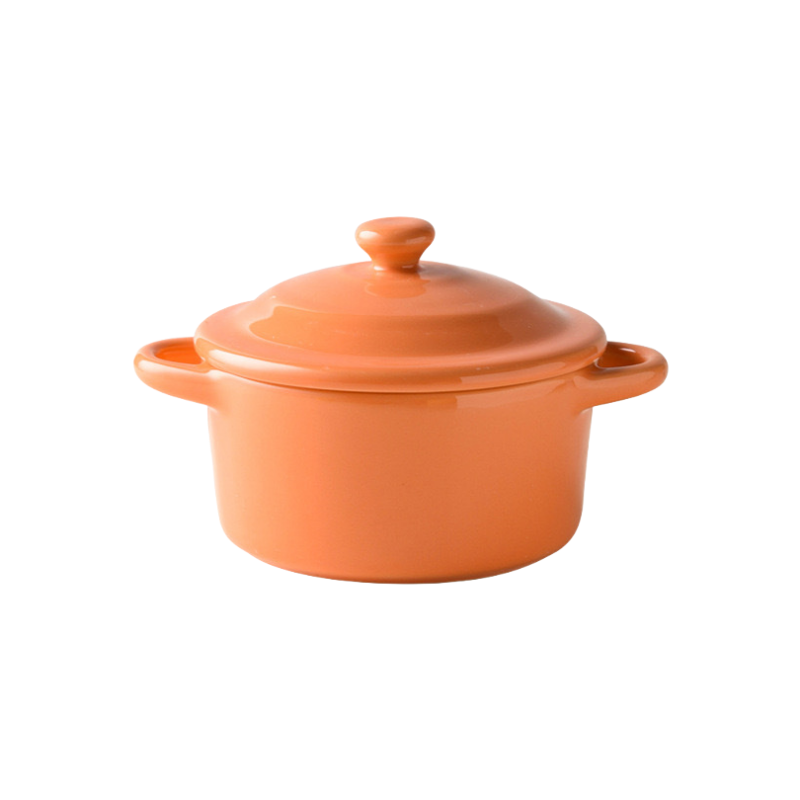
Products in this guide: Creative Porcelain Tea Set · Colorful Mini Ceramic Bowls
The Four Packaging Decisions
The gift box sets the premium: a rigid box with a printed sleeve, a magnetic-lid box or a simple printed carton - the choice follows the price point and the channel (see our gift-channel guide for the program structure). The display carton is the shelf unit: a carton that opens into a display holds the pieces in a fixed grid and sells without unpacking - for chain and retail orders, the display carton is often as important as the product. The hang card or the neck tag carries the brand, the SKU and the price for hanging displays. And the inner insert - the molded pulp, the EPE foam or the corrugated divider - holds the piece in place and doubles as the transport protection (see our packaging-engineering guide for the breakage math). The rule: sales packaging and transport packaging are designed together, not discovered at the same time.
The Packaging Specification Sheet
A repeatable box needs a written specification, and the sheet covers six fields: the material (board grade, corrugated flute, coating), the dimensions (external and internal, with the insert cavity), the printing (artwork, colors, finish - matte or gloss, spot UV or embossing), the assembly (how the box closes, how it opens into a display), the quantity per carton and the master carton (see our trade-documents guide for how the master carton appears on the packing list), and the tolerances - because a box that fits in the sample may not fit in production. The sheet is approved with a physical sample before the order, and the approval reference goes into the order confirmation (see our communication-standards guide for the confirmation process).
The Retail-Ready Checklist
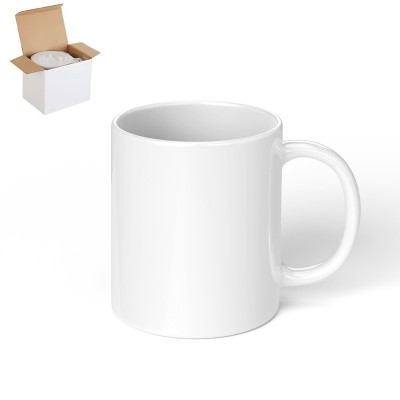
Before the packaging order is placed, confirm: the box survives the journey (insert tested with a drop test - see our packaging-engineering guide); the branding is right - no supplier marks, no factory logos, the buyer's artwork only; the bar codes and the legal text (care instructions, material, origin) are printed correctly; the box dimensions fit the master carton and the shelf; and the sample is approved in writing. The buyers who specify the box as carefully as the mug are the buyers whose products look premium in the first five seconds - and the first five seconds are where retail purchases are won.
"Gift-Ready Ceramic Products"
Explore products featured in this guide:
Have questions? See our Sizes & Finishes FAQ and Ordering & Certifications FAQ.
Need a custom quote? Send an inquiry or browse our full product catalog.