
Running a Sample Review: The Meeting That Decides Six Months of Production
The Problem: A Roomful of Opinions and No Decision
Samples arrive, the team gathers, everyone touches the pieces, and the meeting ends with "we like the second one, but can we see it in blue?" Three weeks later the same conversation happens again. That cycle is not caused by difficult buyers; it is caused by an unstructured review. A sample review is a decision meeting, and treating it as a demonstration is what makes it slow, ambiguous and expensive for both sides.
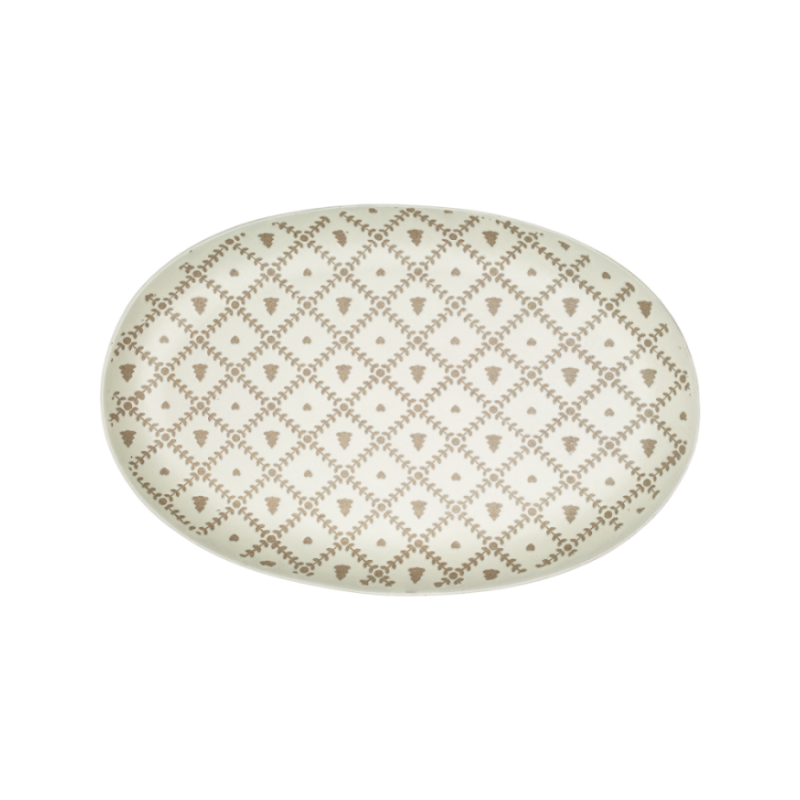
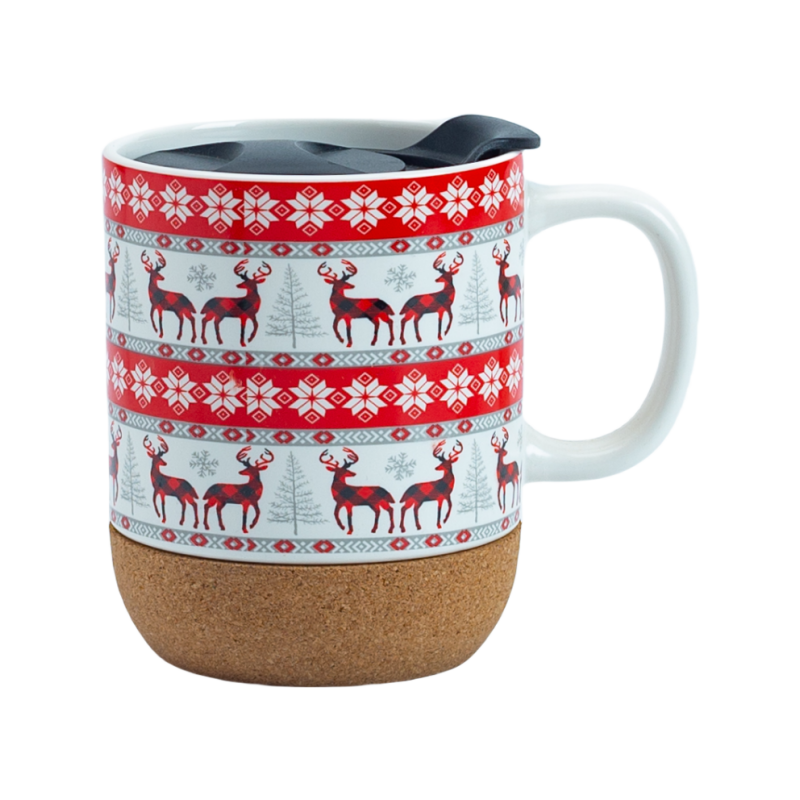
Products in this guide: Japanese Ceramic Dinnerware Plate – Black Stoneware Dinner Set Style · 14oz Christmas Ceramic Mug with Cork Base
Where This Fits in the Sourcing Chain
The review converts samples into a frozen specification, which is the point at which tooling, decoration and packaging are committed. The spec freeze guide explains how artwork and packing files are locked between orders. Whatever is agreed here determines the carton and the pack. The packaging guide explains how retail-ready and protective layers are specified together. The full chain follows the standard sourcing map. See the full ceramic sourcing process map.
Prepare the Samples Like a Buyer
Four preparations make the difference, and the supplier can do most of them. Label every sample with its code, capacity, weight and decoration method — an unlabelled sample becomes a memory test. Present the finalists together, not the whole range, because a review of sixteen items produces no decision. Include the packaging, since the buyer is choosing a delivered product, not a piece. And state what each sample cannot do, because a limitation discovered at the review is a change; one discovered after production is a claim.
The Scoring Basis
Four criteria cover almost every real decision, and agreeing them before the samples are handled keeps the discussion on track. Appearance — glaze, decoration, colour accuracy against the reference. Handfeel — weight, balance, rim, handle. Specification fit — capacity, dimensions, care requirements, and whether it meets the destination market's labelling needs. Commercial fit — unit price at the expected quantity, packaging cost and lead time. A simple score per criterion, agreed by the group, turns a matter of taste into a comparison — which is what stops the review from repeating.
Who Decides, and When
Three rules make the meeting shorter. One accountable decision-maker: opinions are useful, but a committee that shares the decision shares the delay. A stated deadline: "we will decide by Friday" is not a formality; it is what stops the process drifting. A defined next step for each sample: approve, revise or reject, and for a revision, exactly what changes. A sample that is neither approved nor rejected is the most expensive outcome available.
Document the Outcome
Four items to record, and they take ten minutes. The approved sample, sealed and retained by both parties as the standard. The specification it corresponds to, with capacities, weights and the decoration method. The list of changes for the next round, written as instructions rather than impressions. And the decision date and the responsible names, so that nobody has to reconstruct the meeting in six weeks' time.
The Cost of Doing It Badly
An unstructured review is usually blamed on slow buyers, and usually costs the supplier more than the buyer. Samples are re-made, courier costs repeat, production slots shift, and the season moves closer. The structured version costs one hour of preparation and a checklist. That is the whole trade.
The Habit That Ties It Together
The habit is to run the review as a decision, not as a viewing. Programs that do this convert samples into specifications in one sitting — and start production while their competitors are still asking whether the second one comes in blue.
Related Products
Explore products featured in this guide:


Have questions? See our Sizes & Finishes FAQ and Ordering & Certifications FAQ.
Need a custom quote? Send an inquiry or browse our full product catalog.