
Restoring Ceramic Ware: Old Stains, Metal Marks and Limescale
Most of It Comes Back
A mug that looks spoiled after two years of service usually is not. Staining, metal marks and mineral scale sit in three different places, and two of the three come off. Knowing which is which saves a hotel from scrapping ware that has years left.
Products in this guide: Matte Speckled Gradient Ceramic Mug 380ml · 3D Embossed Barrel Ceramic Mug 400ml
The one that does not come back is the one that was never on the surface to begin with.
Three Problems, Three Places
- Tannin staining from tea and coffee. At first it is a film on the glaze; with time it can become a stain that has entered the glaze surface. It looks brown and is usually concentrated inside, at the bottom, and along the drinking edge.
- Metal marks from cutlery, spoons and stacking. These are not scratches: they are metal transferred onto the glaze by friction. Grey or silver lines that feel smooth to the nail are metal marks.
- Limescale and mineral film from hard water. White or cloudy deposits that build up where water dries: inside the base, along the rim, and on the outside of stacked ware.
What to Do, In Order
Always work from the least aggressive method, and test on one piece before treating the whole order.
1. Tannin staining
- Oxygen-based bleach — sodium percarbonate, the active component in most "oxygen" cleaners. A warm soak of thirty minutes to a few hours lifts most tea and coffee staining without attacking the glaze.
- Chlorine bleach is the wrong tool. It is effective on staining and destructive on decorated surfaces: it attacks colour and can leave ware smelling of chlorine. It also offers no advantage over oxygen chemistry for this job.
- Long soaks need rinsing and drying, and repeated soaks should not become the routine — the goal is a clean surface, not a monthly treatment.
2. Metal marks
- A mild abrasive paste — bicarbonate of soda with water — removes transferred metal with light rubbing and minimal risk to the glaze.
- Rub along the mark, then rinse and inspect under light. If the mark is a genuine scratch rather than transferred metal, the fingernail catches it and no amount of paste will remove it.
- Avoid scouring pads and abrasive powders on decorated surfaces. They remove metal and decoration together.
3. Limescale and mineral film
- A mild acid — citric acid solution or vinegar — dissolves scale. Soak briefly, then rinse thoroughly, because leaving acid on the glaze is worse than the scale.
- Do not use oven or drain cleaners. They are far stronger than the problem and can etch the surface permanently.
- If the acid does not clear it, the surface has likely been etched rather than scaled, which is a durability issue, not a cleaning one.
What to Avoid, Every Time
- Chlorine bleach on decorated ware — it fades the decoration.
- Steel wool and scouring pads — they scratch the glaze and leave metal behind.
- Abrasive powders on printed surfaces — decoration and dirt come off together.
- Very hot acid soaks — they attack the glaze instead of the deposit.
- Treating the whole order first. One piece first, under light, every time.
When to Stop
Three conditions mean the ware is not restorable, and no treatment should be attempted:
- Etching. The surface is uniformly dull and rough, not coated. This is dissolved glaze, and it is permanent.
- Crazing. A network of fine lines in the glaze. Cleaning will not close it, and it will hold staining from now on.
- Colour under the glaze. A stain that has migrated through a porous body cannot be reached from the surface. It is a body specification question, not a cleaning one.
In all three cases the honest answer is that the ware has reached the end of its appearance life — and the decision to make is about the next order's specification, not about this one's cleaning routine.
Making It Last
The most effective restoration programme is a prevention programme:
- Rinse promptly after use; tannin that is not given time to set is tannin that never becomes a stain.
- Do not soak decorated ware for hours in detergent.
- Dose detergent correctly and check water hardness, which is where most scale and film originates.
- Separate stacking where plain ware meets decorated ware, to reduce metal transfer.
For the surrounding decisions, see <a href="https://www.storiwareceramicmugs.com/oid1757203/The-Custom-Mug-Programme-Buyer-Guides-by-Decision.htm">the custom mug programme guides</a> and the <a href="https://www.storiwareceramicmugs.com/oid1757096/Ceramic-Quality-Inspection-Hub-AQL-Defects-Testing.htm">quality and inspection hub</a>, which explain how appearance defects are classified and recorded. Our <a href="https://www.storiwareceramicmugs.com/products2147420/Custom-Ceramic-Mugs-Cups.htm">ceramic mugs and cups</a> range is specified with the decoration position stated per item, and the <a href="https://www.storiwareceramicmugs.com/oid1756307/Custom-Ceramic-Mugs-Bulk-Order-Factory-Direct-from-China.htm">bulk order programme</a> explains how care guidance is agreed with the sample approval. To choose a body and decoration that survive a demanding wash regime, <a href="/contact-us.htm">send the use case and the cleaning routine</a>.
The spec freeze guide explains how artwork and packing files are locked between orders.
What to Put in the Order
- A care instruction that matches the decoration, agreed at approval.
- The cleaning method stated — oxygen chemistry, not chlorine.
- Water hardness noted, because it drives the scale problem.
- A named treatment routine for the end user, on one page.
- The stopping conditions defined — etching, crazing, sub-surface staining.
- A decision point on the next order, not just on cleaning this one.
The packaging guide explains how retail-ready and protective layers are specified together.
The Habit That Ties It Together
The habit is to identify the problem before treating it. Two of the three come off; the third needs a different order, not a stronger cleaner.
Related Products
Explore products featured in this guide:
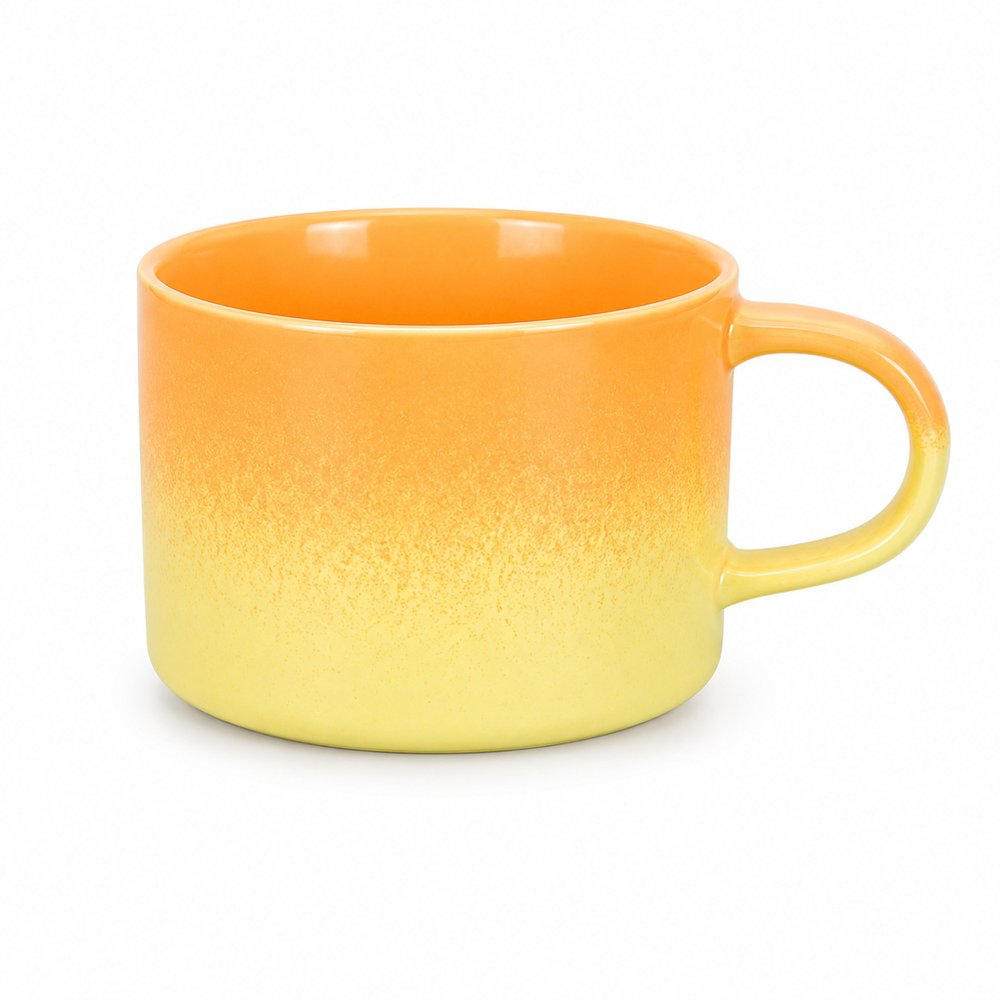
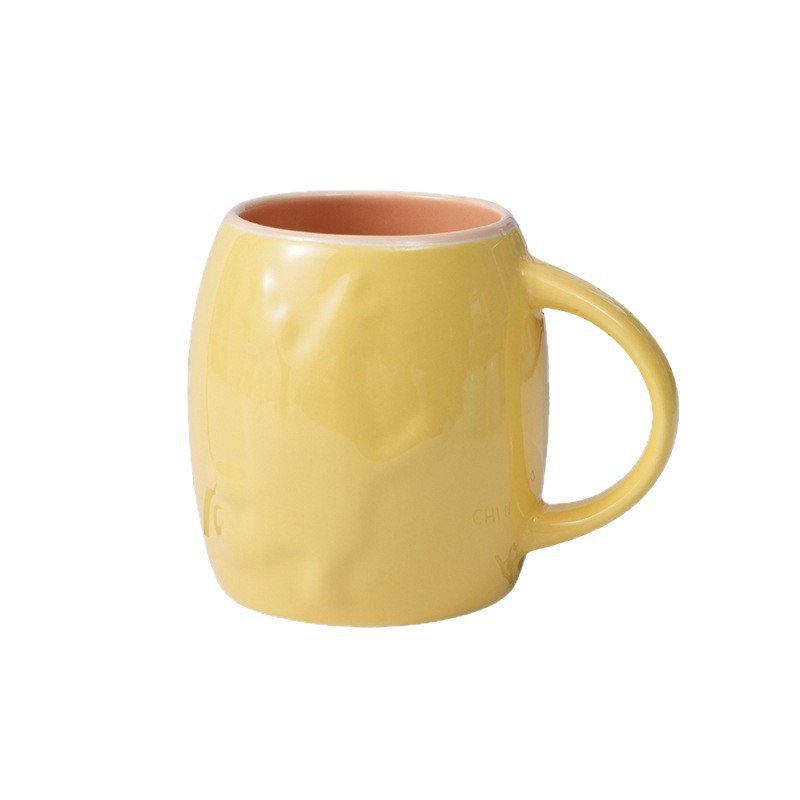

Have questions? See our Sizes & Finishes FAQ and Ordering & Certifications FAQ.
Need a custom quote? Send an inquiry or browse our full product catalog.

