Reading a Ceramic Factory Quotation: The Cost Breakdown, Hidden Fees and What Is Actually Negotiable
The Unit Price Is a Summary, Not a Fact
Most buyers negotiate the unit price as if it were a single number. It is not — it is the sum of materials, glaze, decoration, packaging, labor, kiln energy and margin, and each component negotiates differently. A factory quotation is a document with structure, and the buyers who read the structure negotiate the number; the buyers who see only the total negotiate with their hands tied. This guide covers the cost breakdown, the hidden fees, and the points that actually move the price.
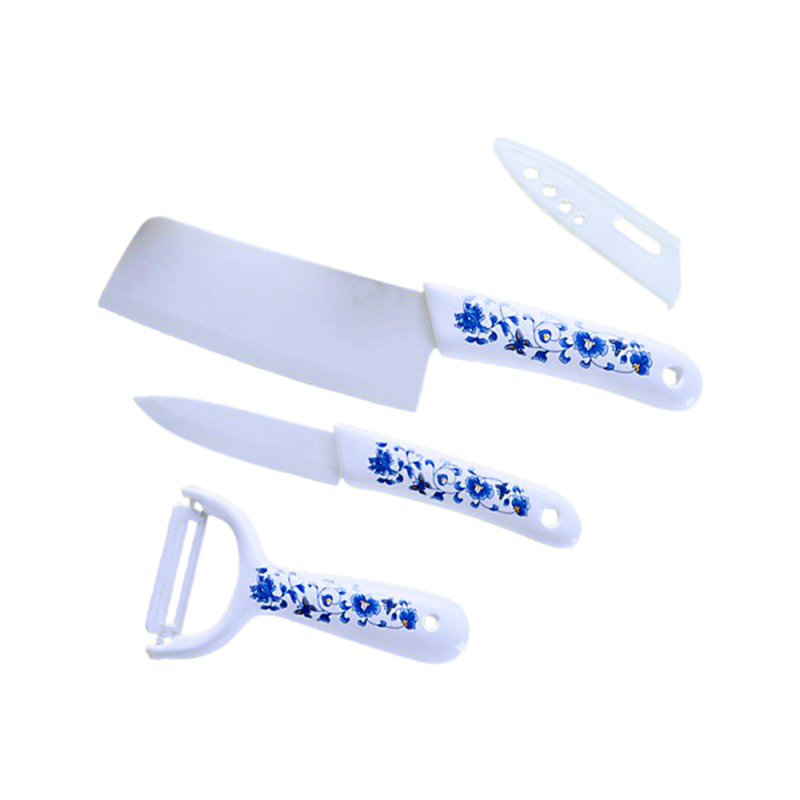
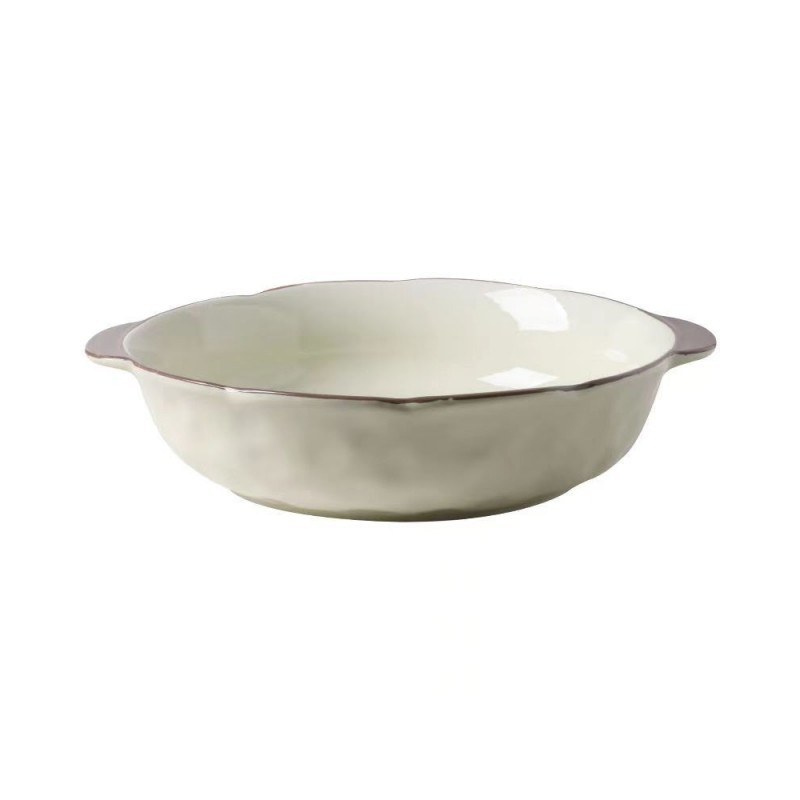
Products in this guide: 3-Piece Ceramic Knife Set · Large Ceramic Soup Bowl
The Cost Breakdown
A ceramic quotation decomposes into five cost layers:
- Materials and body (15–25%): the clay body and raw materials. This layer is mostly fixed — a standard body costs what it costs — but it explains why a "cheap" quote on the same body should raise questions (the factory is cutting elsewhere).
- Glaze and decoration (20–35%): the largest variable layer. Glaze type (plain, reactive, metallic), decoration method (screen print, decal, sublimation, hand-painting) and color count drive this. Simplifying the decoration is the single biggest price lever available.
- Packaging (5–12%): the box, liner and carton spec. Standard packaging costs little; gift boxes, custom inserts and premium liners (see our packaging guide) add real money. Standardizing the pack is a fast saving.
- Labor and kiln (25–35%): firing and production labor. This is the factory's fixed-cost layer — it moves with order size (a bigger run spreads the kiln cost) and with production efficiency, not with negotiation.
- Factory margin and overhead (10–15%): the factory's profit and administrative costs. Negotiable, but this is where the factory defends itself — the margin is what keeps the factory in business.
The Hidden Fees
The quoted unit price rarely includes everything. Watch for:
- Mold and tooling fees: custom shapes add $800–3,000 per mold (see our sampling guide) — often quoted separately and non-refundable.
- Sampling fees: covered in our sampling guide — usually refundable against the first order, but confirm.
- Special packaging and testing: custom boxes, extra liners, third-party inspection, and test reports (LFGB/FDA) may be quoted as additions. Ask what the price includes before comparing quotes.
- Documentation and logistics surcharges: the price may be EXW (factory gate) with everything else on the buyer — freight, insurance, port charges, customs. Compare quotes on the same trade term (FOB, CIF, EXW), or the comparison is meaningless.
- Price adjustment clauses: some factories quote with a validity period and adjust for material, exchange-rate or freight moves. Confirm the validity and the adjustment mechanism (see our contract guide) — a quote with a 30-day validity and no adjustment clause is a different promise than one that can change.
What Is Actually Negotiable
The negotiation map, by layer:
- Decoration simplification (biggest lever): fewer colors, standard screen prints instead of hand-painting, a simpler backstamp — each simplification cuts the decoration layer directly. A factory quote for a complex design can drop 10–20% when the design is simplified.
- Packaging standardization: switching from a custom gift box to a standard box, or from premium liners to standard dividers, saves the packaging layer. Ask the factory what the standard pack costs versus the current spec.
- Volume and MOQ trade-offs: a larger order spreads kiln and labor costs — the price per piece drops with volume. Negotiate the quantity break points, and consider whether a higher MOQ buys a lower unit price that pays for the extra stock (the inventory math in our inventory guide decides this).
- Terms in exchange for price: longer payment terms, a larger deposit, or a firm annual volume can buy a price reduction — the factory values certainty and cash flow as much as the number. Offer terms as a trade, not a discount request.
- The margin layer (small, and last): the factory's 10–15% margin is negotiable but defended — it is the last place to ask, after the cost layers are squeezed.
The Comparison Discipline
Quotes only compare on the same basis. Build the comparison table: same product spec (shape, size, decoration, packaging), same trade term, same volume, same validity — and list the hidden fees each factory includes or excludes. A quote that looks 5% cheaper on a bare unit price can be 10% more expensive once mold, packaging and testing are added. The buyers who compare the full landed unit cost — not the headline number — are the ones who negotiate from fact.
The Quotation Checklist
Before accepting any ceramic quotation, confirm: the cost breakdown (or at least the decoration and packaging split — the two negotiable layers); what the price includes (mold, sampling, packaging, testing, reports); the trade term and what it excludes (freight, insurance, port charges); the validity period and any adjustment clause; and the volume break points. A quotation is a starting document, not a verdict — the structure is there to be read, and the layers that move the price are the ones most buyers never ask about.
"Quotation-Smart Ceramic Programs"
Explore products featured in this guide:
Have questions? See our Sizes & Finishes FAQ and Ordering & Certifications FAQ.
Need a custom quote? Send an inquiry or browse our full product catalog.