Reading Lead and Cadmium Test Reports: What the Numbers Actually Mean
The Report Nobody Reads — Until Customs Does
Lead and cadmium migration reports are the most-requested documents in ceramic sourcing, and the least-read. Most buyers file them without knowing whether the number is good, whether the standard fits their market, or whether the report even covers their product. This guide explains the structure, the limit standards that matter, the critical values, and how to tell a real report from a decoration.
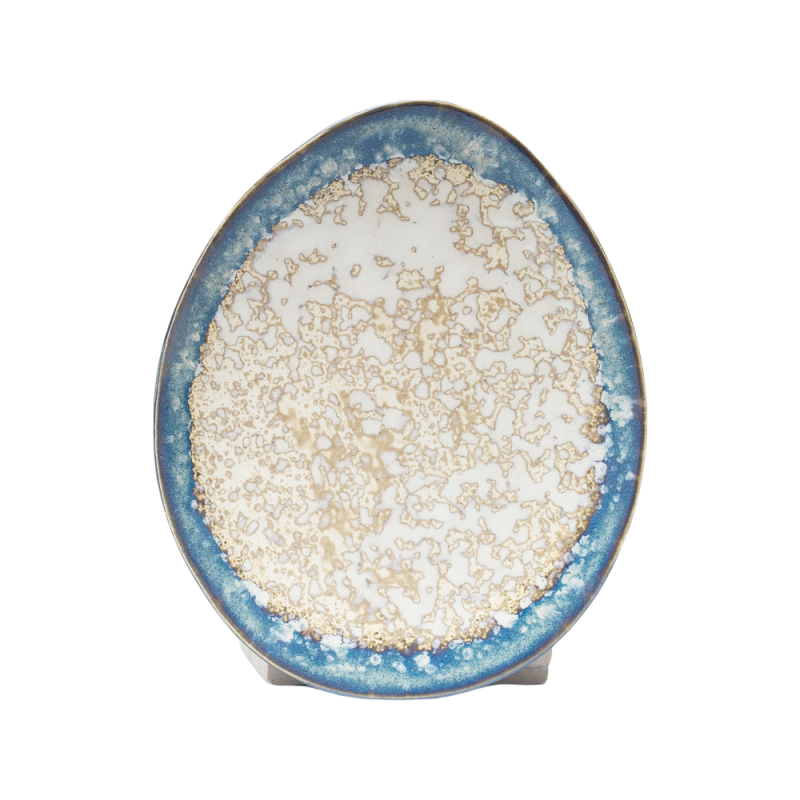
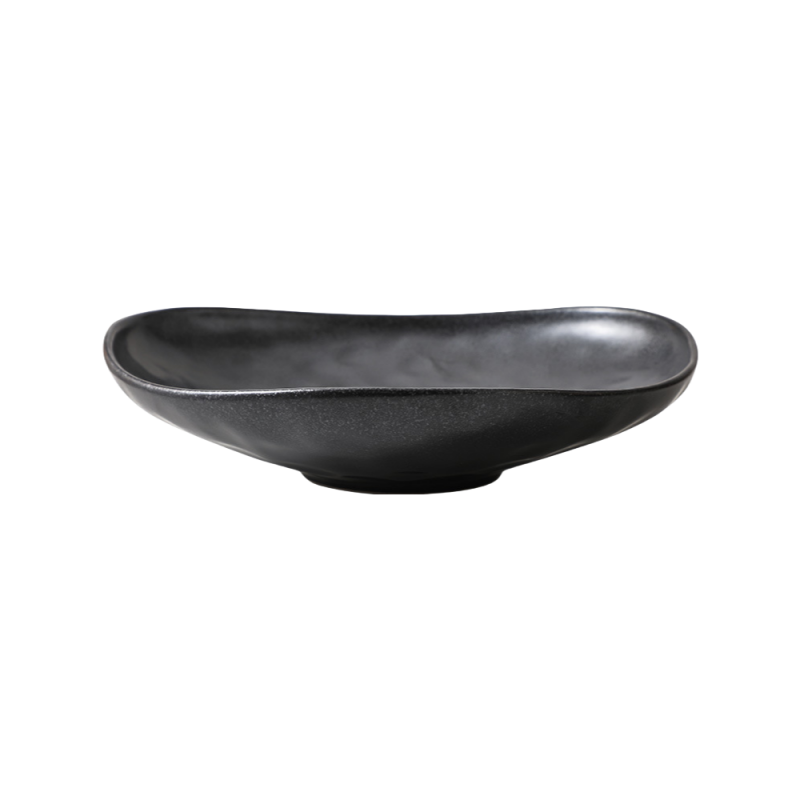
Products in this guide: Ceramic Salad Plates · Custom Ceramic Salad Plate Lead-Free
The Report Structure
A migration test report answers one question: how much lead or cadmium moves from the ware into food. The structure is consistent across laboratories:
- The method: the test protocol (typically the international standard for ceramic migration — acetic acid extraction, time and temperature conditions). The method must match the market's accepted protocol, or the result does not count.
- The result values: lead and cadmium migration per unit area (mg/dm²) or per item (mg/L), depending on the method. This is the number to check against the limit.
- The limits applied: the standard the lab compared against (LFGB, FDA, EU, CA65 — see below). The same result can pass one standard and fail another.
- The product identification: sample description, batch or reference, and the date — the report is only valid for the product and batch it names.
The Limit Standards That Matter
Four standards dominate ceramic sourcing, and they are not interchangeable:
- FDA (United States): the food-contact limit for ceramic ware — the benchmark for US-bound product.
- LFGB (Germany): the German food-contact standard — the de facto reference across Europe, and the one German and neighbouring buyers ask for by name (see our Europe guide).
- EU framework: the migration limits applied across EU member states — the regulatory floor for the whole union.
- CA65 (California): the proposition 65 exposure levels — stricter, item-specific, and relevant for any product sold into California.
The rule: match the report to the destination. A CA65-clean report satisfies California, an LFGB-clean report satisfies German buyers, but neither automatically satisfies the other — ask for the standard your market enforces.
The Critical Values
Reading the numbers: the result must be below the limit with real headroom, not barely under it. A result at 95% of the limit is a passing number and a failing risk — glazes vary batch to batch, and the buyer should flag anything within about 20% of the limit for verification. Two other checks: the result applies to the decoration as well as the body (decorated areas are where failures concentrate), and the report covers the finished product — body, glaze and decoration together — not just the body clay.
Validity and Batch Coverage
Two practical rules: reports expire in practice even when they do not on paper — glazes and recipes change, and most buyers ask for reports refreshed within a reasonable window (see our GPSR guide for the traceability angle); and a report covers the batch it names, so the buying discipline is to verify the batch reference on the cartons matches the report. Batch-level coverage is where a single report becomes a real control.
The Fake-Report Red Flags
Test reports are sold as easily as samples, so verification is part of the job: check the laboratory is accredited (the report should name the accreditation body); call or email the lab to confirm the report number and date; confirm the sample description matches the product; and check the numbers — a report with exactly round numbers across multiple batches is a report that was generated, not tested. The buyer who verifies once per supplier, per batch line, closes the gap that fake reports exploit.
The Report Reading Checklist
Before filing the next report, confirm six things: the method matches the market's accepted protocol; the limit standard matches the destination market (FDA, LFGB, EU or CA65); the result sits below the limit with headroom (flag anything within 20%); the report covers the finished product including decoration; the batch reference matches the shipment; and the laboratory is accredited and verifiable. The report is the cheapest insurance in ceramic sourcing — if it is read right, it is the document that keeps a container moving instead of waiting.
"Documentation-Ready Ceramic Programs"
Explore products featured in this guide:
Have questions? See our Sizes & Finishes FAQ and Ordering & Certifications FAQ.
Need a custom quote? Send an inquiry or browse our full product catalog.