Product Imagery for Ceramic Buyers: What to Ask Your Factory For
The Problem: The Images You Get Are Not the Images You Need
Most factories photograph what they make, for their own catalogue. Buyers need something different: images that work in a listing, a retail deck or a sales brochure. The gap shows up as a photographic budget and a month of coordination — both avoidable, because the imagery can be specified at the same time as the product.
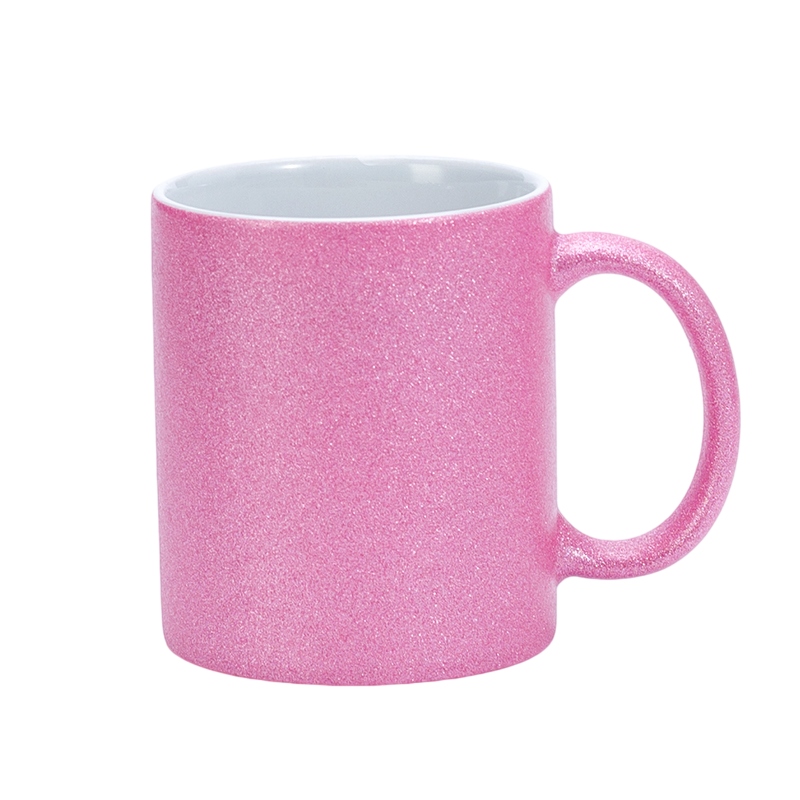
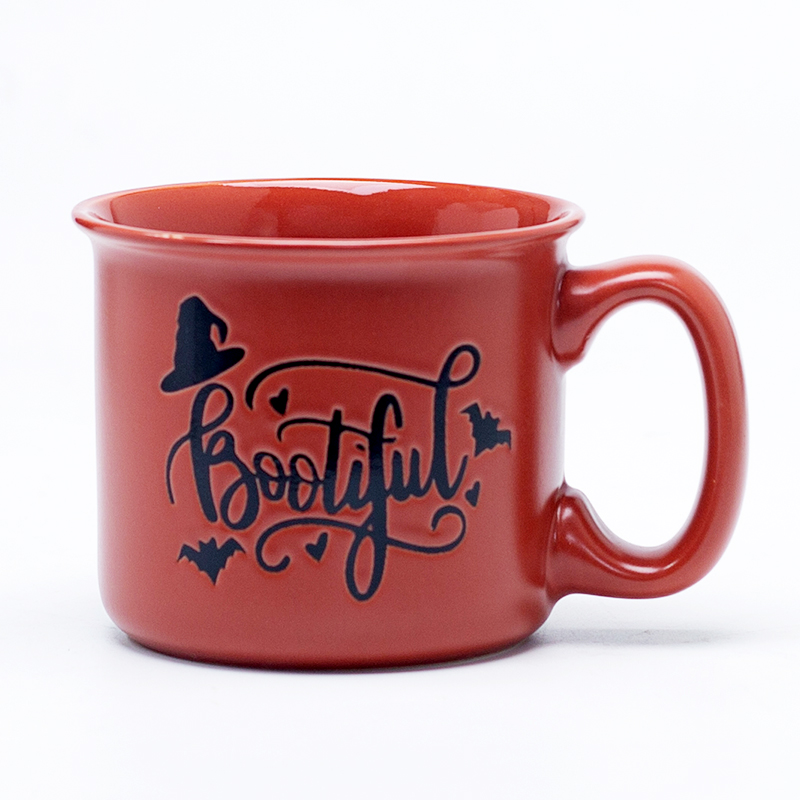
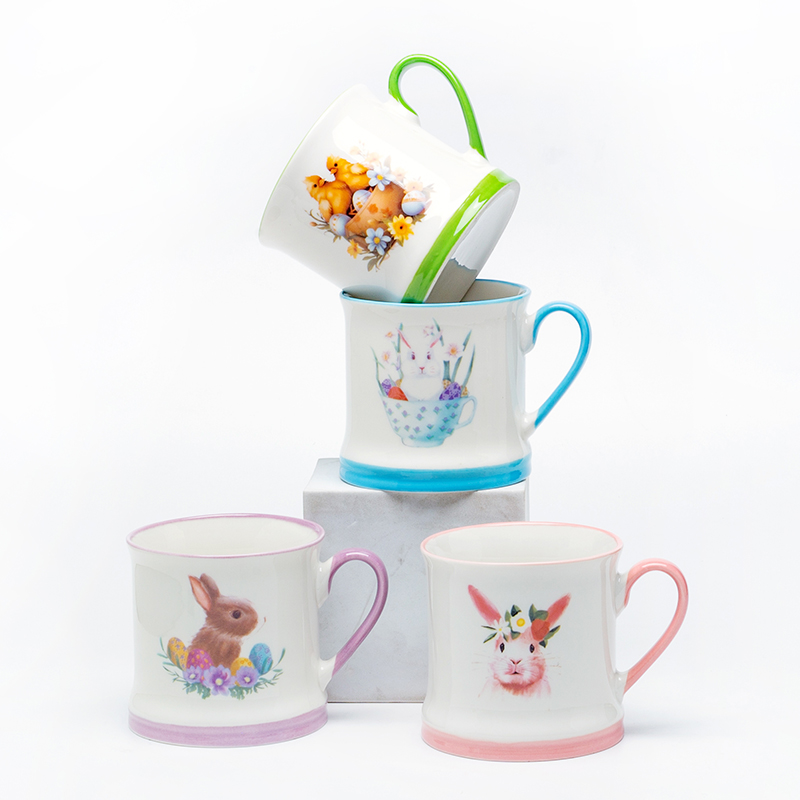
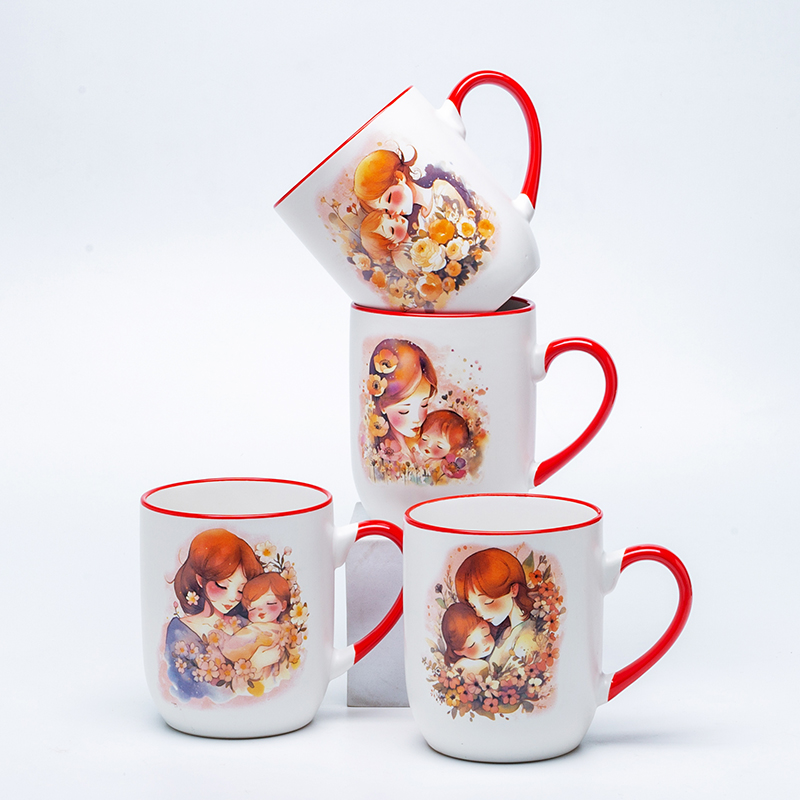
Products in this guide: 11oz Glitter Sublimation Mug · Debossed Logo Halloween Red Floral Ceramic Coffee Mugs - Red & White Spooky Pattern
What to Ask For, Specifically
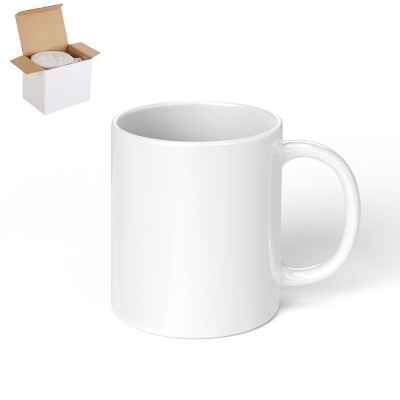
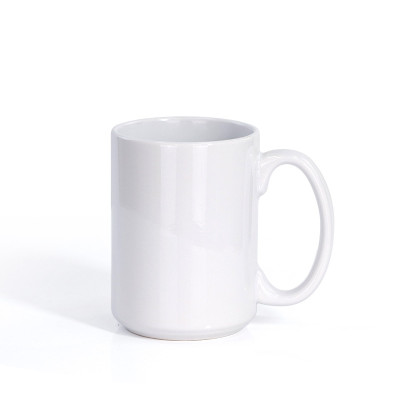
A shot list, agreed before production. Three groups are usually enough: on-white product shots (for listings and catalogues), in-use shots (the item on a table, in a hand, in a service setting) and detail shots (rim, handle, base, decoration close-up). Specifying three groups prevents the common outcome of receiving thirty near-identical white-background images and nothing else.
Angles that carry information. For a mug: front, side, top (showing the mouth and interior), handle and base. For a plate: top, angled, stacked and rim detail. For a set: the full composition, then each piece separately. When the item's shape matters to the buying decision, a top view and a scale reference are worth more than another beauty shot.
Scale, in the frame. Buyers' customers cannot judge capacity from a photograph unless something tells them. Ask for a hand in the shot or a fixed reference object, and for the capacity to be included in the file name or caption.
Backgrounds that can be cut out. A clean, evenly lit background on white is easier to extract for listings than a styled interior — ask for both where possible, and ask for the unedited original alongside the retouched file.
The Formats and the Files
Specify the deliverables rather than hoping: JPEG at a stated pixel width (for example 2000px on the long edge) for listings, PNG with transparency where a background must be removed, and a short video clip if the channel uses one. File naming matters more than it sounds: an item code in every file name is what makes a library usable at scale, and it is a request any factory can honour.
The Two Questions Buyers Forget
Who owns the images, and where can they be used? Factory photography is often produced for the factory's own marketing. Ask for a written line confirming that the buyer may use the images commercially, including in marketplaces and paid advertising, since a listing cannot be built on an unclear licence.
Which items can be photographed, and when. New shapes photographed before the decoration is final create a re-shoot later. Tying the photography to the approved sample stage — rather than to a convenient day in the factory — is what keeps imagery and product in step.
A Workable Brief
- Item list with codes, and the stage at which each is photographed (approved sample).
- Three shot groups: on-white, in-use, detail.
- Angles per item: front, side, top, base, plus one scale reference.
- Deliverables: pixel width, transparent PNG where needed, originals as well as retouched.
- Licence: written confirmation of commercial use.
- Naming convention that includes the item code.
Our <a href="https://www.storiwareceramicmugs.com/products2147418/Custom-Ceramic-Plates.htm">ceramic plates</a> and the wider range are photographed against the same brief, so the images you receive match the item you approved. If you are planning a range, <a href="/contact-us.htm">send us your shot list with the item list</a> and we will confirm what can be photographed, when, and in which formats. For the commercial structure around an order, see the <a href="https://www.storiwareceramicmugs.com/oid1756307/Custom-Ceramic-Mugs-Bulk-Order-Factory-Direct-from-China.htm">bulk order programme</a>.
The spec freeze guide explains how artwork and packing files are locked between orders.
What to Put in the Order
- A shot list agreed before production, with the stage for each item.
- Three shot groups: on-white, in-use, detail.
- Angles and a scale reference per item.
- Deliverables stated as pixel widths and formats, plus originals.
- Written commercial-use licence for the imagery.
- A naming convention that includes the item code.
The packaging guide explains how retail-ready and protective layers are specified together.
The Habit That Ties It Together
The habit is to order the imagery with the product, on a brief, from the approved sample. Buyers who do this get a library they can use immediately instead of a folder to schedule around.
Related Products
Explore products featured in this guide:
Have questions? See our Sizes & Finishes FAQ and Ordering & Certifications FAQ.
Need a custom quote? Send an inquiry or browse our full product catalog.