Pharmacy and Convenience Channels: Small Format, Small Price, Many Stores
The Problem: A Channel That Sells One Unit at a Time
Pharmacy, convenience and forecourt retail look insignificant next to grocery listings and are not. The channel sells to a shopper who is already in the store, has thirty seconds, and is buying a small gift or a small comfort — a teacher's present, a get-well gift, a mother's day token. Each transaction is one unit. The volume comes from the fact that a chain may operate two thousand stores, which turns a modest product into a real programme, provided the packaging is right and the price point is honest.
Products in this guide: Colorful Ceramic Spoon · Artistic Ceramic Spoon
Where This Fits in the Sourcing Chain
Everything depends on the shelf-ready unit: a small box or a sleeved product that can stand on a till-point display without staff attention. The packaging guide explains how retail-ready and protective layers are specified together. The specification must be narrow and repeatable, because the chain will reorder the same item for years. The spec freeze guide explains how artwork and packing files are locked between orders. The full chain follows the standard sourcing map. See the full ceramic sourcing process map.
What the Channel Requires
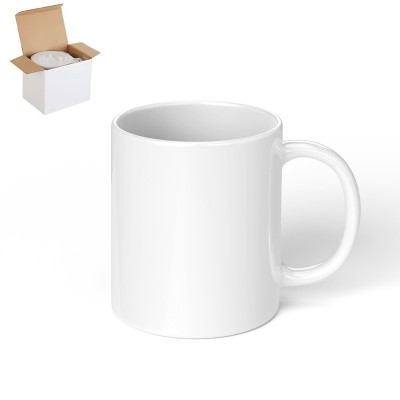
A single-unit pack. Not a set, not a pair, not a bundle with a card. One cup, one small plate, one dish, in a printed box or sleeve with a barcode and a hang-tab where the display calls for it.
A price point that survives impulse. The channel works at low absolute prices with a margin that funds the display; the product has to be cheap enough to be picked up without deliberation and good enough not to be regretted.
Small and light. Display space is measured in centimetres, and distribution is by the case, so dimension and weight are as commercial as they are in the airline cabin.
Content the channel can print. Where pharmacy is the channel, health-adjacent messaging is appropriate — a herbal tea cup, a comfortable large mug, a rest-and-recover gift. It should be presented as comfort rather than as medical claim, which is the boundary worth keeping explicit.
The Commercial Rhythm
Three characteristics define the buying. Central range decisions: individual stores do not choose, so a programme stands or falls on one category review, usually annual and often tied to gifting seasons. Seasonal windows: mother's day, christmas, back-to-school and teacher gifts are the peaks, with the review three to four months ahead. Distribution discipline: deliveries go to a central distribution centre and then to stores, so packaging has to survive a two-stage journey without damage — punctured shrink and scuffed boxes are the standard failure in this channel.
Why It Is Worth the Effort
Two reasons. First, the unit economics are forgettable but the aggregate is not: one product in one chain distorts the production calendar in a useful way. Second, the channel has few ceramic specialists. Most suppliers of small-format gift ceramics are general importers, and a supplier who can offer a shelf-ready, barcoded, seasonally-timed product with a repeatable decoration has an advantage that does not depend on design creativity.
The Habit That Ties It Together
The habit is to price the whole journey rather than the product: the pack, the display, the distribution and the season. Programs that do this sell a small object at a small price many times over. Programs that do not discover that the cheap product was expensive to deliver.
Related Products
Explore products featured in this guide:


Have questions? See our Sizes & Finishes FAQ and Ordering & Certifications FAQ.
Need a custom quote? Send an inquiry or browse our full product catalog.