Payment Risk in Bulk Ceramic Deals: How Importers Protect Deposits, Verify Accounts and Avoid the Costly Mistakes
The Deposit Is Where Ceramic Deals Go Wrong
A bulk ceramic order runs on a deposit — typically 30% of the order value, paid by T/T before production starts. The deposit is how factories fund materials and reserve kiln capacity. It is also the single most dangerous moment in the transaction: once the money moves, the buyer's leverage depends entirely on the payment structure agreed beforehand. Most payment losses in ceramic importing are not fraud by a fake factory — they are avoidable mistakes in how a legitimate transaction was structured.
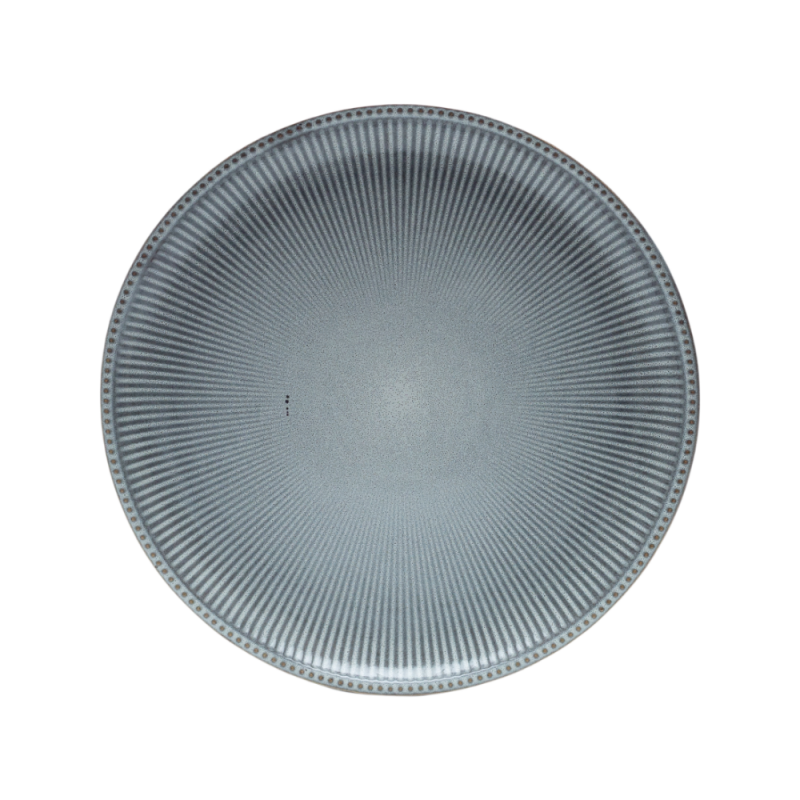
Products in this guide: 500ml Stoneware Ceramic Mug · Reactive Glaze Stoneware Plate
This guide covers the four layers of payment protection for bulk ceramic buying: choosing the payment term, structuring the deposit, verifying the account, and knowing when to walk away.
Layer 1: Choosing the Payment Term
The payment term is a risk allocation, not a preference. Match the term to the relationship stage and the order value:
- T/T 30/70 (deposit then balance against B/L copy): the standard for first orders and mid-value orders. The buyer pays 30% to start production, and the remaining 70% against the copy of the bill of lading — before the goods are released but after shipment is proven.
- T/T 30/40/30 (deposit / against production progress / against B/L): the middle tranche is released against production photos or a quality-inspection report. It is the best structure for high-value or custom orders, because the buyer keeps leverage through the production phase.
- L/C at sight: the bank guarantees payment against compliant documents. It costs bank fees and requires documentary discipline, but it removes credit risk — appropriate for very large orders or new suppliers where the trust gap is widest.
- Escrow or platform payment: for first orders through trade platforms, escrow releases funds only after the buyer confirms acceptance. The fee is small insurance against the worst-case first-order outcome.
The rule of thumb: the bigger the order and the newer the supplier, the more the term should protect the buyer between deposit and shipment.
Layer 2: Structuring the Deposit
The deposit percentage should be negotiated against what it funds — not pulled from a rulebook. A factory quoting a standard 30% for a fully custom program with a new mold has a point: the mold and first-run materials are real costs. But the deposit structure should always include:
- A production schedule tied to tranches. Money releases in steps that match verifiable progress — sample approval, mold completion, production start, inspection pass.
- A written deposit-forfeit condition. What happens if the buyer cancels after production starts (deposit forfeited to cover materials) versus what happens if the factory fails to deliver (deposit refunded or applied to a re-run). Both directions must be in writing.
- A cap on the total deposit for repeat programs. Once a supplier has delivered three or four clean programs, the deposit can move from 30% to 20% or less. Lowering the deposit over time is the correct reward for a proven track record — and a negotiation the buyer should request explicitly.
Layer 3: Verifying the Bank Account
The fastest-growing ceramic import scam is not a fake factory — it is redirection fraud. A hacker compromises the supplier's email, watches the order, then sends the buyer a "new bank account" message days before the balance payment. The buyer pays the hacker; the real factory never receives the money; both sides discover it only when the goods stop moving.
The protection is verification, and it takes five minutes:
- Confirm the bank account by video call. Call the known factory contact on the number already on file — not the number in the suspicious email — and confirm the exact beneficiary name and account number.
- Verify the company name matches the contract. The beneficiary should be the contracting entity — a Chinese factory's business account is in the company's registered name, not a personal name.
- Cross-check with a second channel. If the new account arrives by email, confirm by WeChat/WhatsApp on the established contact, or by phone.
- Check the SWIFT details against the original contract. Never accept a change to the beneficiary name, country or bank without a verified instruction.
- Test with a small transfer for very large payments. A small first transfer confirms the account before the full amount moves.
Redirection fraud is defeated by one habit: never pay on an emailed instruction that changes the beneficiary. Confirm by voice, on a number you already trust.
Layer 4: Payment Red Flags That Should End the Deal
Some signals mean the transaction itself is the problem. Decline and re-evaluate when you see:
- A price far below the market. Ceramic margins are thin; a quote 30% below comparable factories is a loss-making price that will be recovered elsewhere — quality, weight, glaze coverage or ghost capacity.
- Pressure to move outside the platform. "Pay directly to save the platform fee" is the classic escape route for scams. The platform's payment protection is the buyer's only recourse on first orders.
- A request to pay a personal account. A legitimate factory pays wages and materials through its business account. A personal account for the deposit means the "factory" may not be one.
- Inconsistent company details. The business license name, the contract header and the bank beneficiary must match. Small discrepancies are how redirection fraud starts.
- A deposit requirement above 50% on a standard product. For off-the-shelf blanks, materials cost a fraction of that; a high deposit on standard goods is a sign the seller wants the money more than the order.
The Payment Checklist Before Any Deposit
Before the first payment on any bulk ceramic order, confirm the following in writing: the full payment schedule with tranches tied to milestones; the refund and forfeit conditions in both directions; the exact beneficiary name, account and SWIFT as stated in the contract; the production schedule and the inspection point that releases each tranche; and the confirmed contact channels for account verification. The five minutes of verification are the cheapest insurance in the transaction — and the only layer that stops redirection fraud.
Build Payment Trust Over Time
Payment risk shrinks with every clean program. First order: 30% deposit, inspection before balance. Second and third orders: move to a lower deposit against a proven record. Established programs: negotiate a revolving credit line or yearly settlement that keeps capital flowing instead of sitting in deposits. The goal is not to eliminate deposits — it is to make the deposit a decreasing share of a growing relationship.
"Payment-Secure Ceramic Sourcing"
Explore products featured in this guide:

Have questions? See our Sizes & Finishes FAQ and Ordering & Certifications FAQ.
Need a custom quote? Send an inquiry or browse our full product catalog.