
Packaging MOQs: Why the Box Costs More Than the Mug at Low Volume
A buyer pricing a first run of 5,000 mugs often discovers something unexpected: the packaging quotation is a meaningful fraction of the ceramic quotation, and in small volumes it can exceed it.
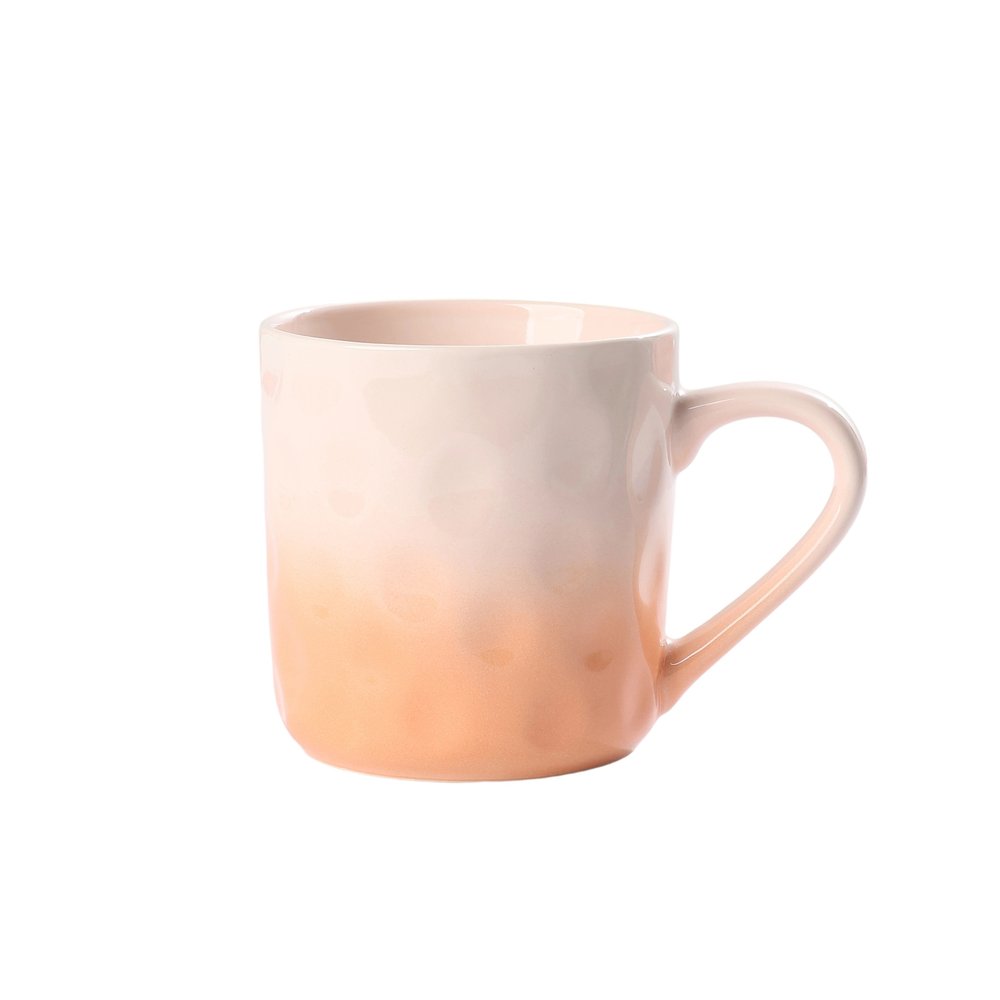
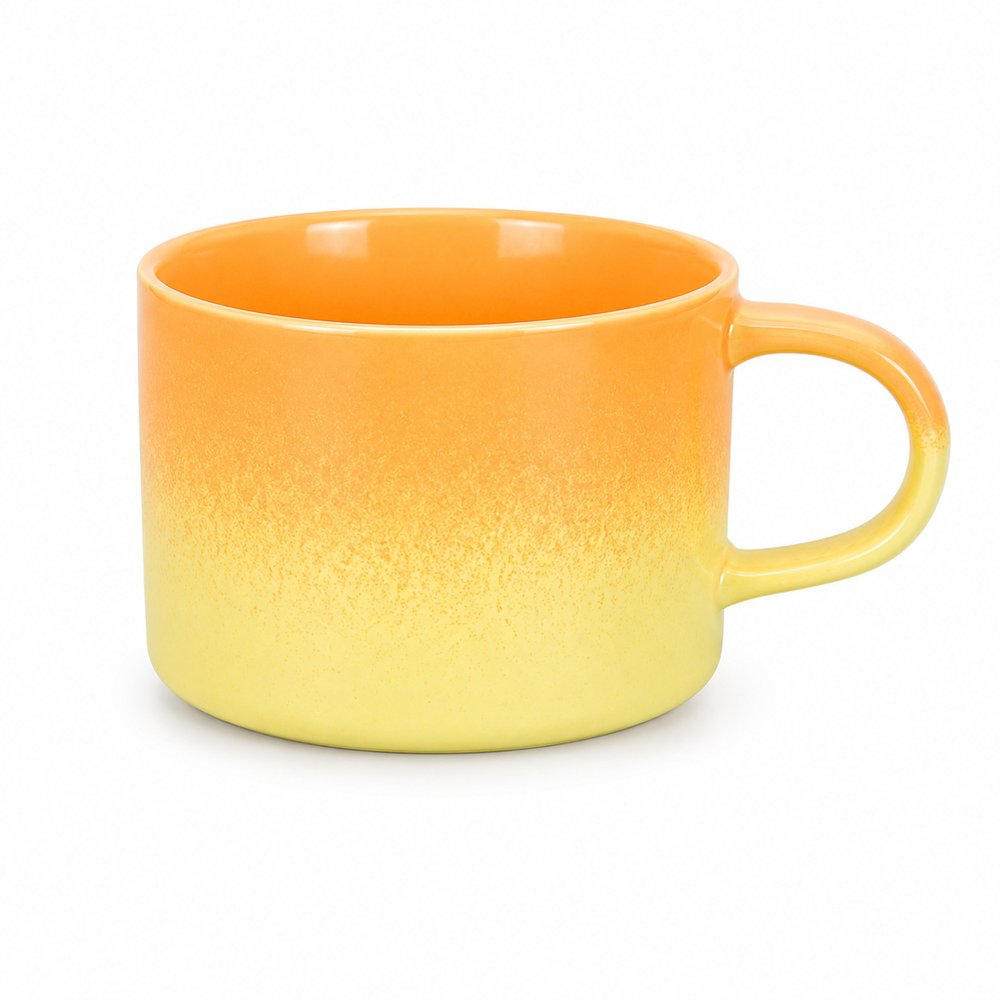
Products in this guide: Gradient Hammered Ceramic Mug 350ml · Matte Speckled Gradient Ceramic Mug 380ml
This is not a markup. It is the arithmetic of setup. A mug is made by repeating a process that already exists. A printed box is made by creating a process that does not, and the cost of creating it lands on the first order.
Three packaging layers, three thresholds
Packaging is not one item. It is three, and they have different minimums.
Inner protection. The insert, sleeve, or moulded pulp that holds the piece. This is often tooled, which means a mould or die, and it carries a minimum that reflects the cost of that tool.
The retail box. The printed carton the customer sees. This carries the highest minimum, because it involves print setup, die cutting, and usually a finishing step.
The shipping carton. The outer corrugated case. This is the easiest to source at low volume, because standard sizes exist and printing is usually one or two colours.
Buyers commonly assume all three scale together. They do not. A programme can start with a plain shipping carton, a stock retail box with a printed label, and a custom insert, and defer the fully printed box until volumes justify it.
The four variables behind a packaging MOQ
Print method. Offset printing requires plates, and plates cost the same whether they run for 500 sheets or 50,000. Digital printing has almost no setup but a higher per-unit cost. The crossover point is the whole question: below it, digital; above it, offset.
Board and structure. A stock size in a standard board can be bought in small quantities. A custom structure requires a cutting die, and the die is a one-time cost that suppliers recover across the minimum run.
Finishing. Foil stamping, embossing, spot UV, and soft-touch lamination each add a setup step. Two finishing operations can double a minimum, because each has its own make-ready.
Hand assembly. Handles, magnets, ribbons, and hand-glued windows are labour, and labour has a minimum shift. A box that must be assembled by hand cannot be economical at 300 pieces.
The packaging guide explains how retail-ready and protective layers are specified together.
Three ways to lower the threshold
Digital print on a stock structure. Choose an existing box size and print digitally. Setup drops to near zero, and the per-unit penalty is acceptable at low volume. The trade-off is a narrower choice of board and finish.
A stock box plus a printed label or belly band. The box is bought from stock in any quantity; the identity is carried by a printed label or a wrap. This is the most common route for a first season, and it can look deliberate rather than improvised if the label is well designed.
A plain box with a printed insert card. The card carries the brand, the care instructions, and the story. The box stays neutral. This also has a practical benefit: a neutral box can be shared across several products, which raises the volume per packaging SKU.
When paying the MOQ is the right call
Three situations justify committing to a full printed run.
The packaging is the product. Gift sets, corporate programmes, and subscription boxes sell the unboxing. In those cases a stock box with a label undermines the proposition.
The design is stable. If the artwork, structure, and copy are settled and likely to hold for two or more seasons, the setup cost amortises across a known volume.
The volume is genuinely there. A 5,000-piece mug order with a printed box at a 3,000-piece minimum is fine. The same box against a 1,000-piece trial is a cost that has to be recovered from a smaller base.
The spec freeze guide explains how artwork and packing files are locked between orders.
What to ask before paying for a run
Five questions, all answerable before a deposit.
- What exactly does the minimum cover — printing, die cutting, or the whole finished box?
- Which cost is one-time and which is per unit? A quotation that separates the die from the run tells you what you will not pay again.
- Who owns the die and the artwork files after the run? This determines whether you can move the box to another supplier later.
- What is the lead time for the packaging alone, separate from the ceramic? Packaging is frequently the longer of the two.
- What happens to overruns and underruns? Print runs deliver approximately, and the tolerance should be agreed rather than discovered.
The honest boundary
Packaging MOQs are set by equipment and setup, not by a supplier's preference for large orders. A factory that quotes a low minimum on a foil-stamped rigid box is either absorbing a cost it will recover elsewhere, or has not understood the question.
The practical conclusion is that packaging should be designed against volume, not against a mood board. The right question at the start of a programme is not what the box should look like, but what quantity the box has to work at — and then which of the three structures delivers that at the lowest total cost.
Related Products
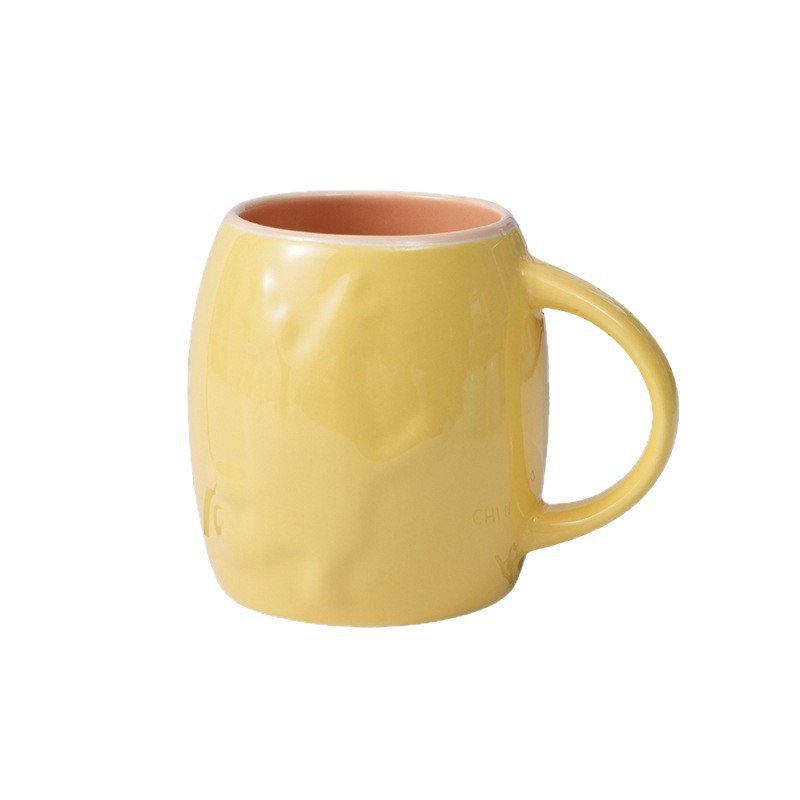
Explore products featured in this guide:

Have questions? See our Sizes & Finishes FAQ and Ordering & Certifications FAQ.
Need a custom quote? Send an inquiry or browse our full product catalog.

