
Over and Under Shipment: How Quantity Tolerance Works in a Ceramic Order
The Count Never Matches Exactly
A buyer orders 20,000 mugs. The container arrives, the count is taken, and it is 19,640 or 20,310. Nobody has behaved badly — the number almost never matches, and the reason is structural rather than commercial.
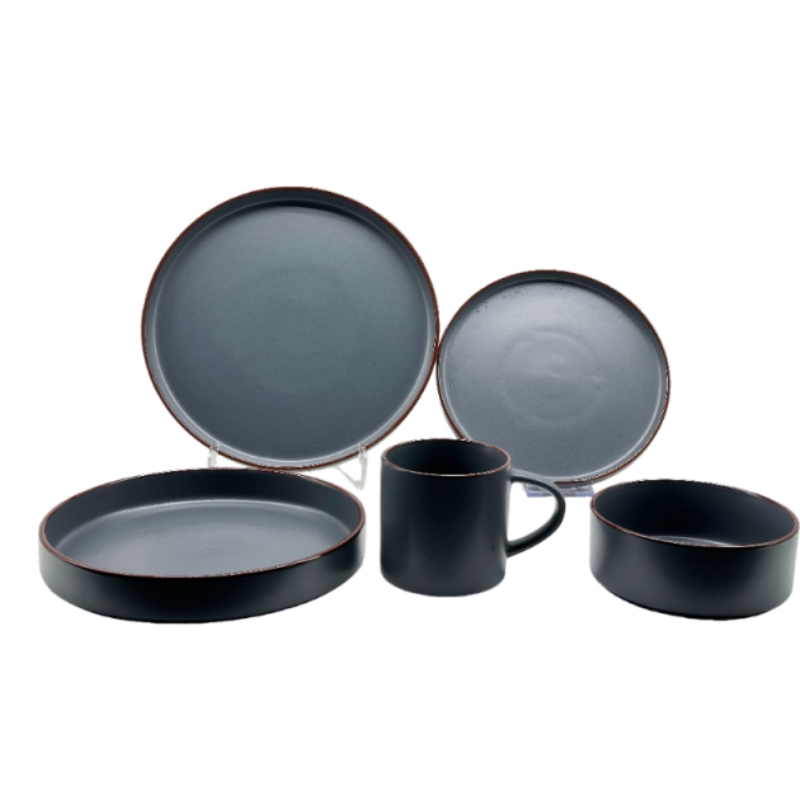
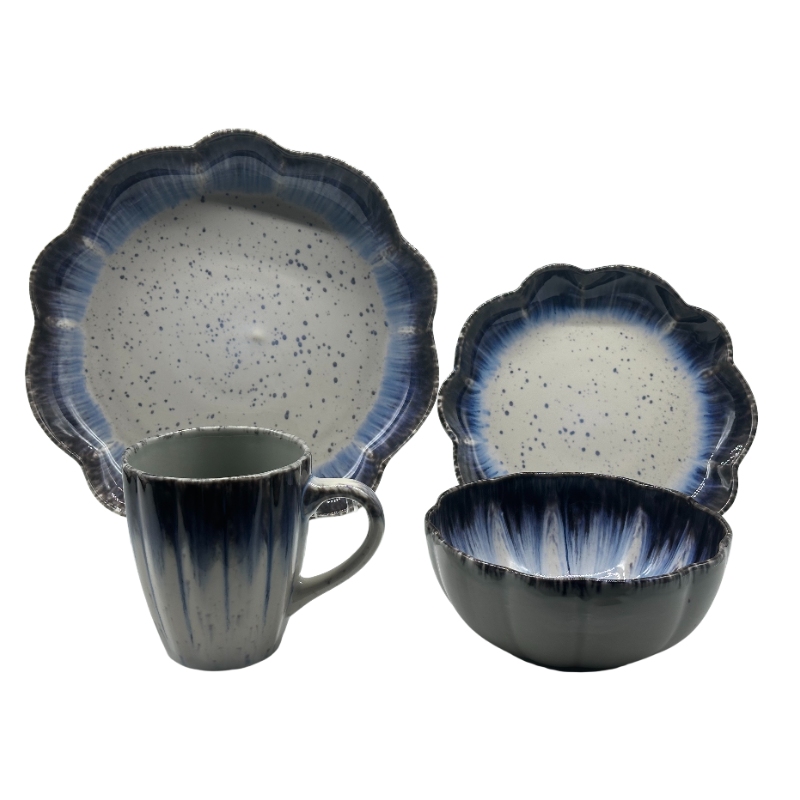
Products in this guide: 5-Piece Matte Stoneware Dinnerware Set – Modern Black & Grey Plates · 16-Piece Ceramic Stoneware Reactive Glaze Dinnerware Sets
What matters is that the contract says, in advance, what happens when it does not.
Why the Difference Exists
- Kiln losses. Firing produces rejects. A factory that planned 20,400 pieces to ship 20,000 may still land either side of the target.
- Packing arithmetic. Mugs are counted in cartons, and a carton holds a fixed number. Filling containers to a loading plan produces round numbers of cartons, not of mugs.
- Per-design minimums. The minimum applies per design. If one design runs short, the factory cannot simply make a handful more without incurring the same setup cost that created the minimum in the first place.
- Decorations and accessories. A lid, a saucer or a printed sleeve has its own yield, and the slowest component sets the shippable quantity.
The Three Numbers That Get Confused
Keeping them separate prevents most disputes:
- Ordered quantity — what the purchase order states.
- Shipped quantity — what the packing list and bill of lading record.
- Invoiced quantity — what the supplier charges for.
A clean order makes all three explicit and states which one the price is based on.
Writing a Tolerance Clause That Works
The clause is short, and it has four elements:
- A tolerance band, stated per item, not per order. A plus-or-minus percentage applies to each line on the order. An order-level tolerance hides the case where one design is heavily short while another is over.
- An upper and lower limit. Over-shipment is a cost to the buyer: extra pieces must be paid for, warehoused and reconciled. Under-shipment is a shortage. Both need a stated limit.
- A notice requirement. If the factory knows before loading that a line will run outside the band, they must say so before the container sails — not after.
- A settlement mechanism. Decide now whether a difference is settled by a credit note, by making up the balance on the next order, or by a price adjustment on the actual quantity. Leaving this open is what turns a small difference into a long argument.
Where It Bites in Practice
- Multi-design orders. Ten designs on one container is where the per-design rule earns its place. One accessory shortage can leave matching sets unsellable.
- Letter of credit shipments. A credit usually carries its own quantity tolerance and prohibits part shipment. The purchasing tolerance and the credit tolerance must be compatible, or documents get rejected.
- First orders of a new design. The first production run is the least predictable. Applying a conservative tolerance to first orders, and a tighter one to repeats, is a reasonable commercial position.
- The MOQ interaction. A line that ships short of the per-design minimum is effectively a smaller order than the one the price assumed. That is worth discussing before it happens, not after.
Counting It Properly
The quantity dispute is usually a counting dispute. Agree the method in advance:
- Count by carton and by piece, and compare against the packing list per container.
- Record the count at loading, with photographs of sealed cartons and the container doors.
- Reconcile at destination before the cartons are moved into storage, because a count taken a week later proves nothing.
- Keep the short carton and the sealing record if a carton is missing or light.
For the surrounding decisions, see <a href="https://www.storiwareceramicmugs.com/oid1757203/The-Custom-Mug-Programme-Buyer-Guides-by-Decision.htm">the custom mug programme guides</a>, which cover pricing and payment questions, and the <a href="https://www.storiwareceramicmugs.com/oid1757097/Ceramic-Packaging-Container-Freight-Hub.htm">packaging, container and freight hub</a> for how the loading plan and packing counts are set. Our <a href="https://www.storiwareceramicmugs.com/products2147420/Custom-Ceramic-Mugs-Cups.htm">ceramic mugs and cups</a> range is quoted per item with the loading plan stated, and the <a href="https://www.storiwareceramicmugs.com/oid1756307/Custom-Ceramic-Mugs-Bulk-Order-Factory-Direct-from-China.htm">bulk order programme</a> explains how quantities and per-design minimums are agreed. To set a quantity tolerance for a programme, <a href="/contact-us.htm">send the item list, the design count and the payment method</a>.
The spec freeze guide explains how artwork and packing files are locked between orders.
What to Put in the Order
- A tolerance band per item, with upper and lower limits.
- Which quantity the price is based on — ordered, shipped or invoiced.
- A notice requirement when a line will run outside the band.
- The settlement mechanism, chosen in advance.
- The counting method at loading and at destination, with photographs.
- Compatibility with the payment instrument, if a letter of credit is used.
The packaging guide explains how retail-ready and protective layers are specified together.
The Habit That Ties It Together
The habit is to decide the tolerance before the price. A quantity difference is normal; a quantity argument is a contract that was left unfinished.
Related Products
Explore products featured in this guide:

Have questions? See our Sizes & Finishes FAQ and Ordering & Certifications FAQ.
Need a custom quote? Send an inquiry or browse our full product catalog.

